An Investor's Guide to Storage Facility Builders
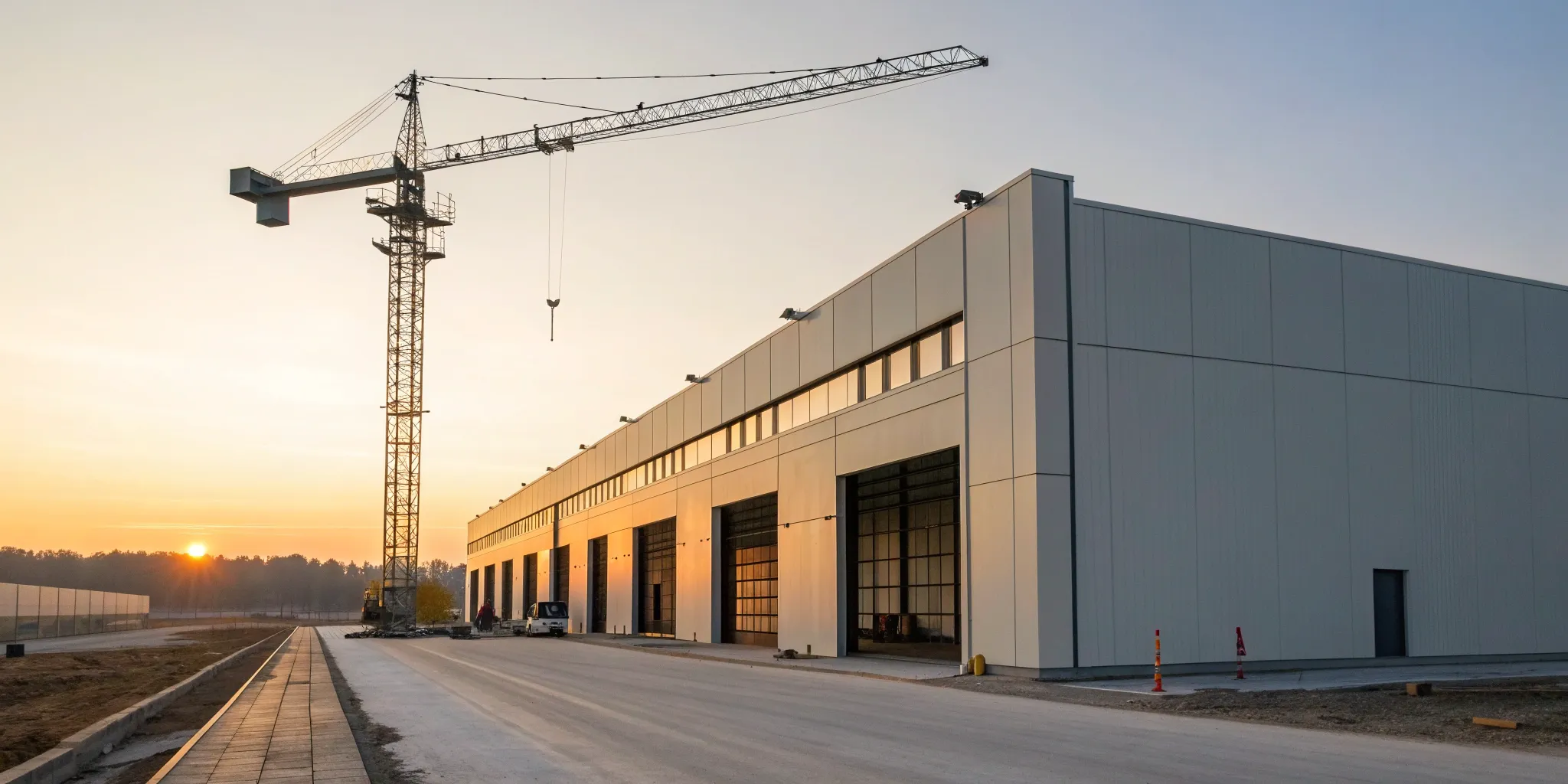
The days of simple garage-style storage units are long gone. Today’s customers expect climate control, advanced security, and a seamless digital experience. This shift means that a modern storage facility is a sophisticated commercial asset, engineered to meet specific market demands. To build a competitive and profitable property, you need a partner who understands this evolution. General contractors may know construction, but specialized storage facility builders understand the nuances of this unique industry. This guide covers the essential design elements of a modern facility and explains how the right builder can help you create an investment that stands out and succeeds for years to come.
Key Takeaways
- Partner with a Specialist for a Streamlined Process: A builder who specializes in self-storage manages everything from site planning and permitting to final construction, acting as a single point of accountability to reduce risk and simplify a complex project.
- Prioritize Due Diligence to Ensure Quality: Protect your investment by verifying a builder's portfolio of similar projects, checking their licensing and safety records, and speaking directly with past clients about their communication and budget management.
- Strategic Design Maximizes Your ROI: A profitable facility is built on a smart plan that includes a market-driven unit mix, modern security, and energy-efficient features to lower operating costs and attract high-quality tenants.
What Does a Storage Facility Builder Do?
When you partner with a storage facility builder, you’re hiring more than just a construction crew. You’re bringing on a specialist who manages every phase of a complex project, from a rough sketch on a napkin to a fully operational facility. A true building partner acts as your guide, handling the technical, logistical, and regulatory details so you can focus on your investment. Their job is to transform your vision into a tangible asset, ensuring the final product is not only well-built but also profitable and compliant. Let’s walk through the key responsibilities they take on.
Design and Engineering
Before a single shovel hits the ground, a builder works with you to create a strategic and efficient design. This isn't just about four walls and a roof; it's about value engineering a facility that meets market demand. They help determine the optimal unit mix, decide between single-story and multi-level structures, and integrate features like climate control and advanced security. A builder with strong design-build capabilities translates your business goals into detailed architectural and engineering plans, creating a blueprint for a successful and cost-effective project from the very beginning.
Site Development and Prep
An empty plot of land is a blank canvas, but it needs significant preparation before construction can start. Your builder manages this entire process. They conduct site evaluations, handle grading and excavation, and coordinate the installation of essential utilities like water, sewer, and electricity. A crucial part of this stage involves working through local zoning laws and land-use regulations to ensure the site is properly prepared and approved for development. An experienced team knows how to work with local authorities to clear these hurdles efficiently, preventing delays that could stall your project.
Construction and Project Management
This is where your facility truly takes shape. The builder serves as the central hub for the entire construction process, overseeing every detail to keep the project on schedule and within budget. They are responsible for sourcing high-quality materials, managing skilled subcontractors, and maintaining a safe job site. Effective project management means you have a single point of contact who provides clear communication and solves problems proactively. By looking at a builder's past projects, you can get a clear sense of their ability to deliver quality work and manage complex builds from start to finish.
Permitting and Compliance
Working through the maze of permits, inspections, and regulations is one of the most challenging parts of any construction project. A specialized storage facility builder handles this for you. They prepare and submit all necessary permit applications, coordinate with municipal inspectors at every critical stage, and ensure the final structure meets all building codes, from fire safety to accessibility standards. This expertise is invaluable, as missteps in permitting can lead to costly fines and significant delays. Having a builder who understands the local regulatory landscape ensures a smooth process and a fully compliant facility.
How to Choose the Right Builder for Your Storage Facility
Selecting a builder is one of the most critical decisions you'll make for your storage facility investment. The right partner does more than just pour concrete and raise walls; they act as a strategic advisor who understands the unique demands of the self-storage market. They help you avoid costly mistakes, manage complex logistics, and ultimately deliver a facility that’s profitable from day one.
Your builder’s expertise directly impacts your project's timeline, budget, and long-term success. A team with deep experience in self-storage construction can guide you through every phase, from initial site planning to final inspection. To ensure you’re partnering with a team that can deliver, focus your vetting process on four key areas: their specific experience, their credentials, their track record, and their working style. Taking the time to thoroughly evaluate these factors will give you the confidence that your investment is in capable hands.
Check Their Experience and Specialization
Building a self-storage facility isn’t the same as building an office park or a retail center. The project requires a nuanced understanding of unit mix, traffic flow, security integration, and durability. Look for a builder with a portfolio dedicated to this asset class. As industry experts note, a high level of sophistication is needed, and specialized firms often emerge in markets large enough to sustain them. A specialized builder knows the right questions to ask and can offer value engineering insights that a generalist might miss. They’ll help you design a facility that meets tenant expectations and maximizes your return on investment.
Verify Licensing, Insurance, and Safety Records
This step is non-negotiable. Before signing any contracts, confirm that your potential builder holds all necessary state and local licenses. Ask for proof of insurance, including general liability and workers' compensation, to protect your project from unforeseen accidents and liability. A builder’s safety record is also a telling indicator of their professionalism and operational discipline. A company committed to safety is a company committed to quality and risk management. Don’t hesitate to ask about their safety program and their OSHA incident rate. A reputable contractor will have this information readily available and will welcome the questions.
Review Their Portfolio and Client References
A builder’s past projects are the best predictor of your future success. When reviewing their portfolio, look for facilities similar in scope and scale to your own. But don’t just look at the finished photos—ask about the results. A top-tier builder gains a reputation for delivering projects on time and on budget. The best way to verify this is by speaking directly with their past clients. Ask for a list of references and make the calls. Inquire about their experience with communication, problem-solving, and budget management. A candid conversation with a previous client will give you more insight than any marketing brochure ever could.
Understand Their Communication and Management Style
A construction project is a long-term partnership, and clear, consistent communication is the foundation of that relationship. During the interview process, try to get a feel for their management style. Who will be your primary point of contact? How often will you receive progress updates? What systems do they use for project management and documentation? You need a partner who is transparent, proactive, and accessible. The builder should understand that their work is just the first step; you have to operate a successful business once they’re gone. A team that communicates well is better equipped to handle the inevitable challenges that arise during construction, ensuring your project stays on track.
What Does It Cost to Build a Storage Facility?
Pinpointing the exact cost of a new storage facility involves several key variables, from land acquisition to the final coat of paint. While every project is unique, understanding the primary cost centers is the first step toward creating a realistic budget. A successful project hinges on balancing upfront investment with long-term returns, and knowing where your capital is going is crucial. Here’s a breakdown of the major expenses you can expect.
Land and Site Preparation Costs
Before any construction begins, you need the right piece of land. This is one of your most significant initial investments. A good rule of thumb is to spend about 25% to 30% of your total project budget on acquiring the land. This guideline helps ensure you have enough capital remaining for construction and operational launch. Beyond the purchase price, site preparation is a critical expense. This includes costs for grading the land, ensuring proper drainage, running utility lines, and paving access roads and parking areas. An experienced construction partner can assess a potential site to identify any challenges that might add to these prep costs.
Construction Materials and Labor
The core of your budget will go toward the physical structure. Construction costs vary widely based on design, location, and materials. Generally, you can expect a single-story facility to cost between $25 and $42 per square foot, while a multi-story building can range from $45 to $75 per square foot. These figures typically include essential building materials like steel and concrete, as well as the labor required to put it all together. Working with a builder who has strong relationships with material suppliers can help you secure competitive pricing and keep your project on budget.
Technology and Security Systems
In today’s market, tenants expect more than just a roll-up door and a padlock. Investing in modern technology and robust security is non-negotiable. This includes high-definition surveillance cameras, controlled gate access, bright lighting, and individual unit alarms. These features not only protect your customers' belongings but also build the trust necessary to attract and retain them. Integrating cutting-edge technologies like smart locks and online rental platforms also streamlines your operations, making management more efficient and improving the customer experience from day one.
Planning for Hidden Costs and Contingencies
Even the most carefully planned project can encounter surprises. It’s essential to build a contingency fund—typically 5% to 10% of your total construction budget—to cover unforeseen expenses. These can include permitting delays, unexpected ground conditions discovered during excavation, or sudden material shortages. Weather can also cause significant setbacks. Partnering with a seasoned general contractor helps mitigate these construction challenges, as they have the experience to anticipate potential issues and develop proactive solutions, keeping your project as close to schedule and budget as possible.
What Goes Into a Modern Storage Facility Design?
Today’s self-storage facilities are sophisticated real estate assets, designed to maximize rental income and operational efficiency. A modern facility is a thoughtfully engineered project that caters to specific customer demands while delivering a strong return for investors. The right design considers everything from long-term energy costs to the specific needs of the local market. A strategic builder will guide you through these critical design elements to ensure your project is competitive and profitable from day one.
Energy-Efficient and Sustainable Features
Smart, sustainable design isn't just good for the planet—it's great for your bottom line. Incorporating energy-efficient features directly reduces long-term operational costs. This starts with the building envelope, using quality insulation and roofing materials. From there, we look at systems like LED lighting with motion sensors and high-efficiency HVAC for climate-controlled units. Many developers are also exploring solar panels to offset energy consumption. These sustainable building practices not only cut utility bills but also appeal to environmentally conscious customers, giving your facility a competitive edge.
Advanced Security and Access Control
Security is non-negotiable for tenants entrusting you with their possessions. Because many facilities are in industrial areas, a robust security plan is essential to deter theft. Modern security goes far beyond a simple padlock. A comprehensive system should include 24/7 high-definition video surveillance, bright lighting across the property, and electronic gate access that logs every entry and exit. Adding individual door alarms and digital access control provides another layer of protection and a premium feature that tenants are often willing to pay more for.
Smart Unit Mix and Climate Control
A successful facility meets the needs of its local market, so a one-size-fits-all unit mix rarely works. Before breaking ground, it’s crucial to conduct market research to determine the right blend of unit sizes. Does the area need small 5x5 units for apartment dwellers, or larger 10x30 spaces for businesses? Furthermore, climate-controlled units are now an expectation, not a luxury. They protect sensitive items from extreme temperatures and humidity, commanding higher rental rates and attracting a wider range of customers.
Planning for Future Expansion
A well-designed facility is built for success today and tomorrow. If your project performs well, you’ll likely want to expand. Planning for future phases from the beginning is a strategic move that saves immense time and money. This means designing the initial site layout to accommodate additional buildings without disrupting current operations. A forward-thinking site plan considers future traffic flow, utility hookups, and drainage for the entire potential build-out. Working with a construction partner who understands phased development ensures your investment is a foundation for scalable growth.
Why Choose a Turnkey Storage Facility Builder?
When you're developing a self-storage facility, the traditional construction route involves juggling multiple contracts—one for the architect, another for the engineer, and a third for the general contractor. This can quickly become a complex web of communication and coordination. A turnkey builder simplifies this entire process. They handle everything from initial design and permitting to final construction, handing you the keys to a facility that’s ready for business.
This integrated approach, often called design-build, means you have one dedicated team managing your project from start to finish. For investors and developers, this isn't just about convenience; it's about creating a more efficient, predictable, and streamlined path to opening your doors. By consolidating all phases of development under one roof, a turnkey partner can align design, budget, and construction timelines from day one, eliminating the friction that often occurs between separate firms. This model is built on a foundation of collaboration, ensuring every decision is made with the final outcome in mind.
A Single Point of Accountability
One of the biggest frustrations in any construction project is the blame game. When the architect’s plans don’t align with the site conditions or the engineering specs create budget issues, you’re stuck in the middle trying to find a solution. With a turnkey builder, that problem disappears. You have a single point of accountability for the entire project’s success.
If an issue arises, there’s no finger-pointing between different contractors. Your builder owns the outcome, from the initial sketches to the final walkthrough. This streamlined communication makes problem-solving faster and more effective, giving you a clear, direct line to the team responsible for delivering your facility. It’s a simpler, more transparent way to manage a complex investment.
A More Predictable Timeline and Less Risk
In real estate development, time is money. Delays don't just push back your opening date; they impact your loan terms, marketing efforts, and return on investment. A turnkey approach significantly reduces the risk of unexpected setbacks. Because the design and construction teams work together from the beginning, they can identify potential challenges, order long-lead materials, and phase the work for maximum efficiency.
This integrated planning process creates a more reliable and often accelerated project schedule. Instead of waiting for one phase to end before another can begin, a turnkey builder overlaps tasks and maintains constant communication, keeping the project moving forward. This synergy helps you get your facility operational sooner, allowing you to start generating revenue and serving customers with greater confidence in your timeline.
Clearer Costs and Quality Control
Budget overruns can derail even the most promising storage facility project. A turnkey builder provides greater cost certainty right from the start. By managing both design and construction, they can value-engineer the project to meet your financial goals without sacrificing quality. Decisions about materials, systems, and layouts are made with a clear understanding of their impact on the total cost.
This holistic oversight also ensures higher quality control. The same team that helps design the facility is responsible for building it, creating a seamless transition from blueprint to reality. They can maintain consistent standards for materials and workmanship throughout the entire process. When you start a project with a turnkey partner, you get a clear, upfront understanding of the costs and the assurance that your investment is built to last.
How to Avoid Common Construction Pitfalls
Even the most carefully planned storage facility project can run into unexpected issues. The difference between a minor hiccup and a major setback often comes down to your builder’s experience and foresight. A proactive construction partner doesn’t just build your facility; they anticipate challenges and have strategies ready to keep your project on track. They act as your risk manager, identifying potential problems long before they impact your timeline or budget. This forward-thinking approach is built on years of experience seeing what can go wrong and, more importantly, knowing how to prevent it.
From navigating complex regulations to managing unpredictable site conditions, a seasoned builder brings invaluable expertise to the table. They understand that success isn't just about the final structure but about the process of getting there. By understanding the most common pitfalls in storage facility construction, you can ask the right questions during the selection process and ensure your team is prepared for anything. A builder who can speak confidently about their strategies for handling supply chain disruptions, permitting delays, and communication breakdowns is one who is prepared to protect your investment.
Navigating Supply Chain and Material Issues
Material shortages and shipping delays can quickly derail a project’s timeline and budget. A builder with deep industry roots and strong supplier relationships is your best defense. They can often secure materials when others can't and will have a backup plan ready. An experienced team will also be skilled in value engineering, suggesting alternative materials that meet your quality standards without compromising the schedule. Before committing to a builder, ask them how they’ve handled supply chain disruptions on recent projects. Their answer will tell you a lot about their problem-solving skills and industry connections.
Handling Permitting Delays and Regulations
Securing the right permits can be one of the most frustrating parts of the development process. Each municipality has its own set of rules, and a simple oversight can lead to months of delays. An experienced local builder understands the regional regulatory landscape and can manage the permitting process from the start. They know who to talk to and how to prepare the necessary documentation correctly the first time. Engaging with your builder early ensures that your project plans align with local zoning and building codes, helping you avoid costly revisions and keeping your project moving forward.
Preventing Communication Gaps
Clear, consistent communication is the foundation of a successful construction project. When investors, designers, and builders aren't on the same page, mistakes happen, and trust erodes. A great builder establishes a clear communication protocol from day one, with regular updates, transparent reporting, and a single point of contact for all your questions. This ensures you always know the status of your project and that any potential issues are addressed before they become serious problems. This commitment to collaboration is a core part of how we manage projects and keep our clients informed every step of the way.
Assessing Ground Conditions and Site Challenges
What lies beneath the surface of your property can hold expensive surprises. Unexpected rock formations, poor soil quality, or drainage issues can lead to significant cost overruns and delays if not discovered early. That’s why a thorough site assessment is non-negotiable. Your builder should insist on comprehensive geotechnical studies before any dirt is moved. This allows them to identify potential issues and incorporate solutions—like specialized foundations or extensive site grading—into the initial plan and budget. Reviewing a builder’s past projects can give you confidence that they have the experience to handle complex site conditions.
Related Articles
- Public Storage Project
- Landmark Self Storage Project
- SurePoint Self Storage Project
- L Storage Project
- Bee Cave Self Storage Project
Frequently Asked Questions
Besides the cost per square foot, what are the biggest factors that can impact my total project budget? The cost of land and site preparation is often the biggest variable. A property that seems like a great deal can become expensive if it requires extensive grading, has poor soil conditions, or needs new utility lines run to it. Another major factor is the level of technology and security you choose. A basic setup with cameras and a gate is much different from a fully automated facility with smart locks and individual unit alarms. These decisions directly influence your upfront investment but also affect your long-term operational costs and rental rates.
How does a turnkey builder actually speed up the construction timeline? A turnkey or design-build approach accelerates the timeline by integrating the planning and construction phases. In a traditional project, you have to finalize all architectural plans before you can even bid them out to a builder. With a turnkey partner, the design and construction teams work together from day one. This allows them to overlap tasks, like ordering long-lead materials while permits are still being finalized. This parallel process eliminates the dead time and communication gaps that often cause delays between separate architectural and construction firms.
What's the most common mistake you see new developers make when building a storage facility? The most common mistake is underestimating the importance of the pre-construction phase. Many new investors are eager to start moving dirt, so they rush through critical steps like market analysis for the unit mix or thorough due diligence on site conditions and zoning regulations. A poorly planned unit mix can lead to high vacancy, while unexpected site issues can cause major budget overruns. Taking the time to get the planning right with an experienced partner is the single best way to prevent costly problems down the road.
Is it better to build a single-story or multi-story facility? The right choice really depends on your land costs and local market. In dense urban or suburban areas where land is expensive, building a multi-story facility is often the only way to get the square footage needed to make the project profitable. In areas where land is more affordable, single-story facilities can be more cost-effective to build and offer the drive-up access that many customers value. A good builder will help you analyze these trade-offs to determine the best design for your specific location and business goals.
Why is specialized experience in self-storage so important if a general contractor can build anything? While a good general contractor can build a solid structure, a self-storage specialist understands the unique business model behind it. They know how to design for optimal traffic flow, create a unit mix that matches local demand, and integrate security and access systems seamlessly. They also understand the specific durability requirements for things like roll-up doors and hallway systems that see constant use. This specialized knowledge helps you avoid common design flaws and results in a more efficient, secure, and profitable facility.