What Are Self Storage Construction Costs Per Square Foot?
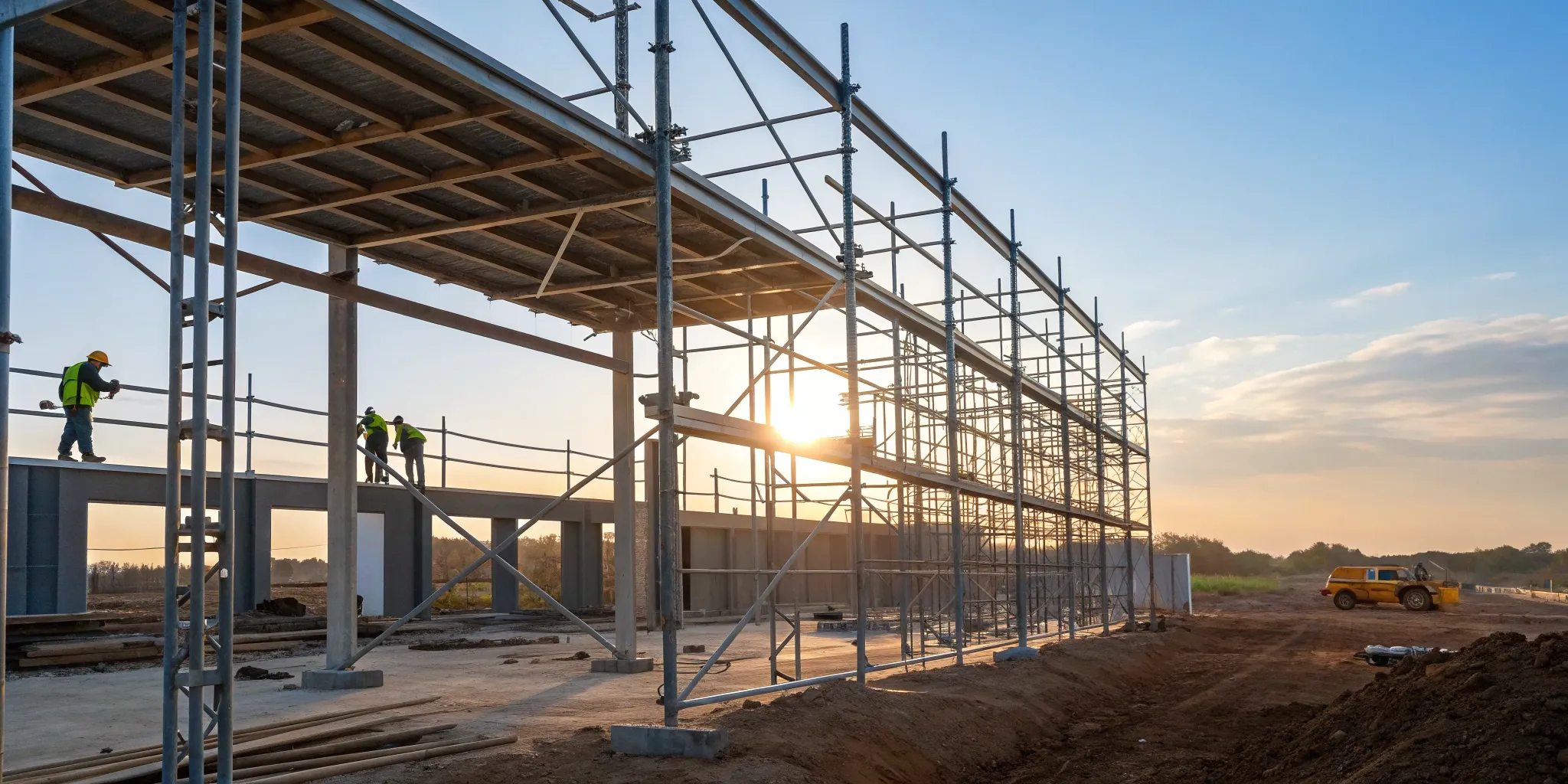
Turning a promising piece of land into a profitable self-storage facility requires a clear understanding of your upfront investment. For developers and investors, the entire financial model hinges on accurately estimating the self storage construction costs per square foot. This figure is more than just a line item; it shapes your pro forma, influences your site selection, and determines the overall viability of your project. Our goal is to demystify this process. We’ll break down the typical costs for different facility types, explore the factors that can cause your budget to swing, and provide the clarity you need to build with confidence.
Key Takeaways
- Look beyond hard costs for a true budget: Your total investment includes much more than just labor and materials. A realistic financial plan must account for soft costs like design fees and permits, site preparation, and a contingency fund to handle unexpected issues.
- Balance construction costs with market demand: The most profitable facilities are designed for their specific location. Your decisions on facility type, unit mix, and features like climate control should be driven by local market analysis to maximize your return on investment.
- Your construction method and partner are your biggest cost controls: Strategic choices like using the design-build process or selecting a pre-engineered building can significantly impact your timeline and budget. Partnering with an experienced general contractor is essential for making these decisions effectively.
Breaking Down Self-Storage Construction Costs Per Square Foot
When you’re planning a self-storage project, the cost per square foot is one of the first numbers you’ll want to pin down. This figure is your starting point for creating a realistic budget and projecting your return on investment. While the final price tag depends on many factors we’ll cover later, understanding the baseline costs for different facility types is the perfect first step. These numbers give you a solid framework for what to expect as you move from a concept to a concrete plan.
Our team has managed a wide range of commercial construction projects, and we’ve found that breaking costs down by facility design provides the clearest picture for developers. It helps you evaluate land opportunities and market demand with a practical budget in mind. Whether you're building a sprawling single-story complex in a growing suburb or a multi-level facility in a dense urban core, knowing these foundational costs allows you to make smarter decisions from day one. The numbers we'll discuss are for the building itself—what we call "hard costs"—and don't include land acquisition, site work, or soft costs like architectural fees and permits. We'll get into those later, but for now, let's focus on the structure.
What to Expect for Single-Story Facilities
For a standard single-story self-storage facility, you can generally expect construction costs to fall between $25 and $42 per square foot. This type of build is often the most straightforward. The design typically involves a simple slab-on-grade foundation and drive-up units, which reduces the need for complex structural engineering and materials like steel framing or elevators. Because of their simpler construction, single-story facilities often have faster build times, allowing you to start generating revenue sooner. This approach is a great fit for projects in suburban or rural areas where land is more affordable and readily available, making it a popular choice for developers entering the market.
Budgeting for Multi-Story Facilities
If you’re building in a denser urban or suburban market where land is at a premium, a multi-story facility is usually the way to go. For these more complex projects, construction costs typically range from $45 to $75 per square foot. The higher price reflects the added requirements of building vertically. This includes a more substantial foundation, structural steel or concrete framing, elevators, stairwells, and more extensive fire suppression systems. While the initial investment is higher, a multi-story design allows you to maximize your rentable square footage on a smaller parcel of land, which can lead to a much stronger long-term return in a competitive market.
Comparing Costs by Facility Type
Looking at the bigger picture, the average cost to build a self-storage facility in the U.S. lands somewhere between $25 and $75 per square foot. A major factor that pushes a project toward the higher end of that spectrum is climate control. If you plan to offer climate-controlled units, your costs can easily reach $50 to $75 per square foot. This is because climate control requires a significant investment in HVAC systems, high-quality insulation, and a tightly sealed building envelope to maintain consistent temperature and humidity levels. While the upfront construction cost is higher, these premium units command higher rental rates and attract customers who need to store sensitive items, making them a valuable addition to your facility’s unit mix. Deciding on the right features for your market is a key step, and our team can help you start your project with a clear budget.
What Factors Drive Your Construction Budget?
When you’re planning a new self-storage facility, the cost per square foot is a great starting point, but it’s just one piece of the puzzle. The final price tag on your project is shaped by a handful of critical factors that can cause your budget to swing significantly. Think of these as the main levers you and your construction partner can pull to align the project with your financial goals. Getting a handle on these variables early in the process is the key to developing a realistic budget and avoiding costly surprises down the road.
The four biggest drivers of your construction budget are your project’s location, the building materials you choose, the complexity of your design, and the cost of local labor. Each one comes with its own set of considerations, and they all interact with each other. For example, your location will influence local labor rates and may even dictate which building materials are practical. Understanding these core components is the first step toward building a facility that not only meets market demand but also delivers a strong return. At Pillars of Seven, our construction services are designed to help you make smart, cost-effective decisions from day one.
How Location Impacts Your Bottom Line
Where you decide to build has a massive impact on your total project cost, and it goes far beyond the price of the land itself. A site in a dense urban area will almost always have higher construction costs than one in a rural or suburban market. This is due to higher labor wages, more complex logistics for material delivery, and often stricter municipal regulations.
Local building codes and zoning requirements can also introduce significant expenses. For instance, some municipalities have stringent rules about building coverage or require an extensive number of costly firewalls, especially if water service is limited. Navigating these local nuances requires a team with on-the-ground experience to ensure your project stays compliant without breaking the budget.
Choosing Your Building Materials
Your choice of building materials is another major factor that directly influences your budget. Building a self-storage facility isn’t just about putting up walls; it’s about making strategic decisions on materials that balance upfront cost with long-term durability and maintenance. Common options like pre-engineered steel, concrete tilt-up, and traditional wood framing each come with different price points and performance characteristics.
The right choice often depends on your project’s design, local climate, and what your target customers expect. For example, investing in better insulation and climate control systems might increase initial costs but will allow you to command higher rents and attract more tenants. A good construction partner can help you weigh these trade-offs and select materials that deliver the best value for your investment.
The Complexity of Your Design
The size and layout of your facility are some of the biggest drivers of your final construction cost. A straightforward, single-story building with a simple grid layout will be far more cost-effective to build than a multi-story facility with a complex footprint, elevators, and custom architectural features. Every corner, every hallway, and every unique design element adds to both the material and labor costs.
The unit mix you plan for also plays a role. A design with many small units requires more interior walls and doors than a layout with fewer, larger units. As you plan your facility, it’s important to balance a design that maximizes rental income with one that is efficient to build. Reviewing a portfolio of completed projects can give you a better sense of how different designs impact the final product.
Factoring in Local Labor Costs
Labor is a significant portion of any construction budget, and its cost can vary dramatically from one region to another. Generally, labor rates are higher in major metropolitan areas compared to smaller towns due to a higher cost of living and greater demand for skilled workers. The availability of qualified labor in your chosen market will also affect your costs. In areas with a construction boom, finding and retaining skilled tradespeople can be more competitive and therefore more expensive.
An experienced general contractor with deep roots in the local market will have established relationships with reliable subcontractors. This network is invaluable for securing competitive pricing and ensuring your project is staffed with a high-quality team that can get the job done right and on schedule.
How Unit Mix and Features Affect Your Costs
The shell of your building is just one piece of the puzzle. The features you offer and how you divide the interior space play a huge role in your final construction budget. Every decision, from the type of units to the security system, impacts both your upfront investment and your long-term revenue. Getting this mix right is key to developing a profitable facility that meets local demand. A thoughtful approach ensures you’re building a valuable asset, not just a building.
Climate-Controlled vs. Standard Units
One of the first major decisions you’ll make is whether to offer climate-controlled units. These spaces maintain a consistent temperature and humidity level, protecting sensitive items like wood furniture, electronics, and important documents. This feature requires a significant investment in HVAC systems, insulation, and sealed construction, which can push the cost per square foot higher. While standard drive-up units are cheaper to build, offering climate control allows you to charge premium rental rates and attract a broader customer base. The right choice depends entirely on your market analysis and the specific construction capabilities of your building partner.
Adding Security and Tech Features
Today’s tenants expect more than just a lock and key. Modern security and technology are no longer luxuries—they’re essential for attracting and retaining customers. Features like 24/7 gated access, high-definition surveillance cameras, bright LED lighting, and individual unit alarms provide peace of mind and justify higher rental prices. While these systems add to your initial budget, they are a critical investment in your facility’s marketability. A secure, well-lit property can help you fill units faster and build a reputation for quality, which pays off in the long run through lower vacancy rates and stronger tenant loyalty.
Planning Your Unit Sizes and Layout
The size and layout of your facility are among the biggest drivers of your total construction costs. Your unit mix—the variety of unit sizes you offer—should be based on solid market research, not guesswork. A layout with many small units will require more interior walls, roll-up doors, and hallway systems, increasing both material and labor expenses. Conversely, while a larger facility has a higher total price tag, the cost per square foot can actually be lower due to economies of scale. Working with an experienced team to plan an efficient layout that matches local demand is crucial for maximizing your rentable square footage and your return on investment.
Comparing Construction Methods and Their Costs
Choosing the right construction method is one of the most critical decisions you'll make for your self-storage project. This choice directly influences your initial budget, construction timeline, and the long-term durability of your facility. Each approach comes with its own set of trade-offs between cost, speed, and design flexibility. Understanding these differences is key to aligning your build with your business goals, whether you need to get to market quickly or are building a legacy asset designed to last for decades.
As your construction partner, we help you weigh these options to find the perfect fit for your site, budget, and investment strategy. Let’s break down three of the most common methods for self-storage construction: traditional stick-built, pre-engineered metal buildings, and concrete tilt-up. By comparing them side-by-side, you can get a clearer picture of the path that makes the most sense for your development. This isn't just about picking materials; it's about building a facility that delivers on your financial projections and meets the demands of your target market. We've seen firsthand how a well-chosen method can streamline a project, while the wrong one can lead to unforeseen costs and delays. Our goal is to provide the clarity you need to make a confident, informed decision from day one.
Traditional Stick-Built Construction
Stick-built construction, which uses wood framing, is a classic and reliable method for building self-storage facilities. Its primary advantage is design flexibility. If you’re working with an irregularly shaped lot or have specific architectural requirements for your building’s appearance, this method can be easily adapted to fit your vision. This versatility makes it a popular choice for many developers. The cost for building a single-story facility using this traditional approach typically falls between $25 and $42 per square foot. While it can sometimes take longer than other methods, the ability to customize the design on-site is a significant benefit for complex projects.
Pre-Engineered Metal Buildings
If speed and cost-efficiency are your top priorities, pre-engineered metal buildings (PEMBs) are an excellent option. With this method, the building’s components are manufactured off-site and then delivered for assembly, which significantly shortens the construction timeline. This approach is perfect for developers who want to open their doors and start generating revenue as quickly as possible. The materials for metal self-storage buildings generally cost between $8.50 and $14 per square foot. While this figure doesn't include labor and other site costs, it highlights the material savings that make PEMBs such an attractive and budget-friendly choice for many storage projects.
Concrete Tilt-Up Construction
For investors focused on maximum durability and long-term value, concrete tilt-up construction is a fantastic choice. This method involves casting large concrete panels on-site and then lifting, or "tilting," them into place to form the building's exterior walls. The result is an incredibly strong, secure, and low-maintenance structure that can withstand harsh weather and requires minimal upkeep over its lifespan. The total construction costs for a tilt-up facility typically range from $25 to $75 per square foot, depending on the project's complexity and location. This method represents a solid, long-term investment in a robust and lasting asset.
Planning for Costs Beyond the Build
A successful self-storage project budget accounts for more than just steel and concrete. The costs incurred before a single shovel hits the ground—and after the final inspection—are just as critical to your bottom line. These expenses, from land acquisition to professional fees, can significantly influence your total investment. Thinking through these elements early on ensures a smoother process and helps you avoid surprises that could derail your project timeline and budget. A comprehensive plan considers every angle, setting your development up for long-term success.
Acquiring the Right Land
Finding the right parcel of land is your first major investment, and its cost is shaped by more than just acreage. The total price tag depends heavily on where you build. A prime location in a dense urban area will command a much higher price than a rural plot. Your facility’s design also plays a role; a sprawling single-story complex requires more land than a vertical, multi-story building on a smaller footprint. Before you buy, you need a clear vision for the type of facility you plan to build, as this will dictate your land requirements and ultimately, your acquisition costs.
Preparing the Site and Utilities
Once you have the land, you have to get it ready for construction. Site preparation costs can vary dramatically based on the property’s condition. You might be dealing with a perfectly flat, clear lot or one that requires extensive grading, tree removal, or even demolition of existing structures. You’ll also need to connect to essential utilities like water, sewer, and electricity, which can involve significant trenching and infrastructure work. Labor costs for this prep work also differ by region, with crews in major metro areas typically costing more. An experienced partner can assess a site’s needs upfront to give you a realistic picture of these foundational expenses.
Navigating Permits and Compliance
Getting the green light from local authorities is a critical and often complex phase. Before you even close on a property, it’s essential to conduct a thorough feasibility study to understand the local zoning laws and building codes. Some municipalities have strict regulations, like building coverage limits, that can impact your design and profitability. The permitting process involves submitting detailed plans and can take months to complete. Working with a construction firm that has experience with local jurisdictions can help you anticipate challenges and ensure your project plans meet all compliance requirements from day one.
Accounting for Soft Costs and Professional Fees
While hard costs cover the physical construction, soft costs encompass all the other professional services needed to bring your project to life. These are crucial but often overlooked expenses in early budgets. Soft costs include fees for architects, engineers, land surveyors, and legal counsel. They also cover the costs of permits, insurance, and property taxes during the construction phase. Thinking even further ahead, you should also factor in long-term maintenance costs to ensure your facility remains a valuable asset for years to come. A detailed budget that includes these professional services is key to understanding your true total investment.
How Facility Size Affects Your Per-Square-Foot Cost
Finding Economies of Scale
It might seem counterintuitive, but building bigger can often mean a lower cost on a per-foot basis. This is the power of economies of scale in construction. While the total project cost for a 100,000-square-foot facility will naturally be higher than for a 50,000-square-foot one, the cost per square foot often drops as the project grows. Why? Because major fixed costs—like design fees, site mobilization, and project management—get spread across a larger footprint. The cost to pour a larger concrete slab or erect a roof doesn't double just because the square footage does. This efficiency is a key reason why many developers aim to maximize their buildable area, as it can lead to significant long-term savings and a healthier bottom line.
Strategies for Sizing Your Facility
Deciding on the right size isn't just about finding the biggest plot of land. Your facility's dimensions and layout are two of the most significant factors driving your final budget. A sprawling single-story facility might cost less per square foot to build than a multi-story structure, but that's only if you have the acreage to support it. In dense urban markets, building vertically is often the only viable option. The key is to balance construction costs with your market's demand and potential revenue. A thorough feasibility study will help you determine the ideal unit mix and overall size to maximize profitability without overbuilding for the local area.
Common Budgeting Mistakes to Avoid
A detailed budget is your project’s roadmap, but a few wrong turns can lead you far off course. Even seasoned developers can fall into common traps that inflate costs and delay timelines. Getting ahead of these potential issues is one of the most effective ways to protect your investment and ensure your project starts on solid ground. By understanding where budgets most often go wrong, you can build safeguards into your financial plan from the very beginning.
Underestimating Site Prep Work
It’s easy to look at a flat, empty lot and assume site preparation will be straightforward. However, what’s underneath the surface can hold expensive surprises. The costs for grading, soil compaction, drainage systems, and utility hookups can vary dramatically from one property to another. A cheap parcel of land might require extensive earthwork or environmental remediation that completely negates the initial savings. Before you commit, a thorough due diligence process, including a geotechnical survey, is essential to uncover the true cost of making your site build-ready. Our team has extensive experience assessing and managing these complex pre-construction requirements.
Overlooking Local Building Codes
Every city and county has its own rulebook. Overlooking local zoning laws, building codes, and land-use regulations is a recipe for costly delays. These rules dictate everything from building height and unit mix to landscaping buffers and stormwater management. Failing to account for them early on can force you into expensive redesigns or a lengthy variance process just to get your permits approved. The best way to avoid these headaches is to work with a construction partner who has a deep understanding of the local jurisdiction. An experienced team can help you start your project with a clear path through the approvals process.
Forgetting Soft Costs and Contingency Funds
Your construction budget is more than just labor and materials. Soft costs—like architectural designs, engineering fees, permits, insurance, and loan interest—can make up a significant portion of your total project expenses. Forgetting to itemize these can leave a major hole in your budget. Equally important is a contingency fund. Material prices fluctuate, and unforeseen challenges can arise during construction. A healthy contingency, typically 5-10% of the total construction cost, provides a critical buffer to handle the unexpected without derailing your project. These indirect costs should be built into your financial plan from day one.
Choosing the Wrong Construction Partner
Selecting your general contractor based on the lowest bid alone can be a costly mistake. The right partner brings more than just a hammer and nails; they bring expertise, problem-solving skills, and a deep understanding of the self-storage market. A contractor without specific experience in this asset class may not grasp the nuances of unit mix, traffic flow, or security integration, leading to a less competitive final product. You need a team that acts as a true partner, guiding you through design, permitting, and construction. When vetting potential builders, look closely at their project portfolio to ensure they have a proven track record of delivering high-quality storage facilities on time and on budget.
How to Control and Optimize Your Construction Budget
Keeping your self-storage project on budget isn’t about cutting corners—it’s about making smart, informed decisions from the very beginning. A proactive approach to financial planning allows you to allocate funds effectively, anticipate challenges, and maximize the long-term value of your investment. Building a self-storage facility means understanding where every dollar goes, from materials and design to the teams you hire. With the right strategy and the right partners, you can create a detailed roadmap that protects your bottom line without compromising on quality. Here are four key strategies to keep your construction budget in check.
Using Value Engineering to Your Advantage
Think of value engineering as a strategic review of your project’s design and materials to find the best value, not just the lowest price. The goal is to achieve the necessary function, quality, and durability in the most cost-effective way possible. An experienced construction partner can analyze your plans and identify opportunities for optimization. This could mean suggesting an alternative roofing material with a better long-term warranty or adjusting a structural design to reduce steel costs without sacrificing integrity. By focusing on the entire lifecycle of your facility, value engineering helps you invest in what truly matters, ensuring your capital is used efficiently to build a durable and profitable asset.
Leveraging the Design-Build Process
The traditional construction process separates the design and build phases, which can sometimes lead to communication gaps and costly change orders. The design-build model streamlines everything by bringing designers and builders together on one team from day one. This collaborative approach fosters clear communication, shared accountability, and greater efficiency. When your construction team is involved during the design phase, they can provide real-time cost feedback and constructability reviews. This ensures the final design is both functional and budget-conscious. A proactive design-build partnership means your facility is planned and executed with a unified vision, helping deliver it on time and on budget.
Selecting Materials Strategically
Your choice of building materials is one of the biggest factors influencing your total construction cost. The key is to strike the right balance between upfront price, long-term durability, and maintenance requirements. For example, while pre-engineered metal buildings are a popular and cost-effective choice, the specific gauge of the steel, type of insulation, and quality of the roll-up doors will all impact your final budget and future operating costs. A general contractor with deep industry relationships can help you source high-quality materials at competitive prices. By looking at examples of finished projects, you can see how different material choices come together to create a successful facility.
Creating a Comprehensive Project Plan
A solid budget starts with a comprehensive project plan that accounts for every detail. This document should go far beyond the basic construction estimate to include all hard and soft costs—from land acquisition and site work to architectural fees and permits. A crucial element of a strong financial plan is a contingency fund, typically 5% to 10% of the total project cost, set aside to cover unexpected expenses or delays. This plan shouldn’t be static; it should be a living document that you and your construction partner review at each phase. This allows you to adapt to challenges like inflation or supply chain issues, ensuring you always have a clear financial picture. When you're ready to build your plan, it's best to consult with an expert.
Calculating Your Potential Return on Investment
Once you have a handle on construction costs, the next step is to determine if the project makes financial sense. A successful self-storage facility isn’t just about building a quality structure; it’s about creating a profitable, long-term asset. Calculating your potential return on investment (ROI) is the most critical part of your due diligence, helping you secure financing, attract investors, and validate your business plan. This involves more than just subtracting costs from potential income. A thorough analysis requires a deep dive into revenue projections, your break-even timeline, and the specific dynamics of your local market. By focusing on these three areas, you can build a clear financial picture and make an informed decision about moving forward with your development. A reliable construction partner can provide the accurate cost data you need to make these projections as precise as possible.
Projecting Revenue Per Square Foot
The first question every investor asks is, "How much can this facility earn?" While a self-storage location can generate anywhere from $150,000 to $500,000 a year, your actual revenue depends heavily on your facility’s size, occupancy rate, and unit mix. To get a more accurate forecast, you need to project your revenue per square foot. Start by researching the current rental rates of competing facilities in your area. Look at what they charge for different unit sizes and features, like climate control. This market data will help you set competitive pricing and estimate your potential gross income once you reach a stable occupancy level, which is a key part of building a solid self-storage business plan.
Estimating Your Break-Even Point
Your break-even point is when your facility’s income covers all your expenses, from the mortgage to operating costs like utilities, staffing, and marketing. While bigger facilities cost more to build, the cost per square foot can be lower, potentially shortening your path to profitability. A self-storage facility is generally a sound investment if there's clear market demand, you have adequate financing, and you plan to offer features that make you stand out. Understanding your total project costs, including both hard and soft costs, is the first step in accurately calculating your break-even point and projecting when your investment will start generating positive cash flow.
Analyzing Local Market Demand
Financial projections are only as good as the market they’re based on. Choosing the right location is critical. You need to find an area with enough population density to support a new facility but not so many existing competitors that the market is saturated. It's becoming harder to find ideal land for self-storage due to market saturation and increasingly strict zoning regulations. A thorough feasibility study is non-negotiable. This analysis should assess local demographics, traffic counts, and the occupancy rates and rental prices of nearby facilities to confirm there is a genuine need for more storage in the community.
Related Articles
- Public Storage Project Case Study
- L Storage Project Overview
- SurePoint Self Storage Project
- Bee Cave Self Storage Project
- Community Self Storage Project
Frequently Asked Questions
Are the cost-per-square-foot estimates you mentioned the total price for my project? That's a great question because it gets to the heart of building a complete budget. The figures we discussed, like $25-$42 for single-story or $45-$75 for multi-story, cover the "hard costs"—meaning the physical construction of the building itself. They don't include other major expenses like land acquisition, site preparation, architectural fees, permits, or insurance. Think of the square-foot cost as the foundation of your budget, with these other essential costs built on top of it.
How do I decide between a single-story and a multi-story design? The decision really comes down to the cost and availability of land in your target market. If you're building in a suburban or rural area where land is more affordable, a sprawling single-story facility is often the most cost-effective choice. However, in a dense urban area where land is expensive and scarce, building vertically with a multi-story design allows you to maximize your rentable square footage on a smaller, more valuable piece of property.
What's the most common mistake you see developers make when budgeting? The most frequent oversight we see is underestimating the costs that come before any construction begins. It’s easy to focus on the building, but extensive site work—like grading, drainage, and utility connections—can add significant expense. Another area often overlooked is soft costs, which include everything from architectural and engineering fees to permits and legal expenses. A thorough due diligence process is the best way to get a realistic handle on these costs from the start.
How can I reduce my construction costs without sacrificing quality? The key is to focus on smart planning rather than just choosing cheaper materials. This is where value engineering comes in. It’s a process where we analyze the project plans to find efficiencies, like suggesting an alternative structural design that uses less steel or selecting a more durable roofing material that lowers long-term maintenance costs. Using a design-build approach also helps, as it brings the construction and design teams together early to ensure the plan is cost-effective from day one.
How much should I really set aside for unexpected costs? You should always include a contingency fund in your budget, and a good rule of thumb is to set aside 5% to 10% of your total construction costs. This isn't a sign of a poorly planned project; it's a mark of a smart, responsible one. This fund acts as a crucial buffer for things you can't control, like a sudden spike in material prices or discovering an unexpected issue during excavation. It’s the safety net that keeps your project on track without forcing you to scramble for more funding later.