Finding the Best Self Storage Construction Companies
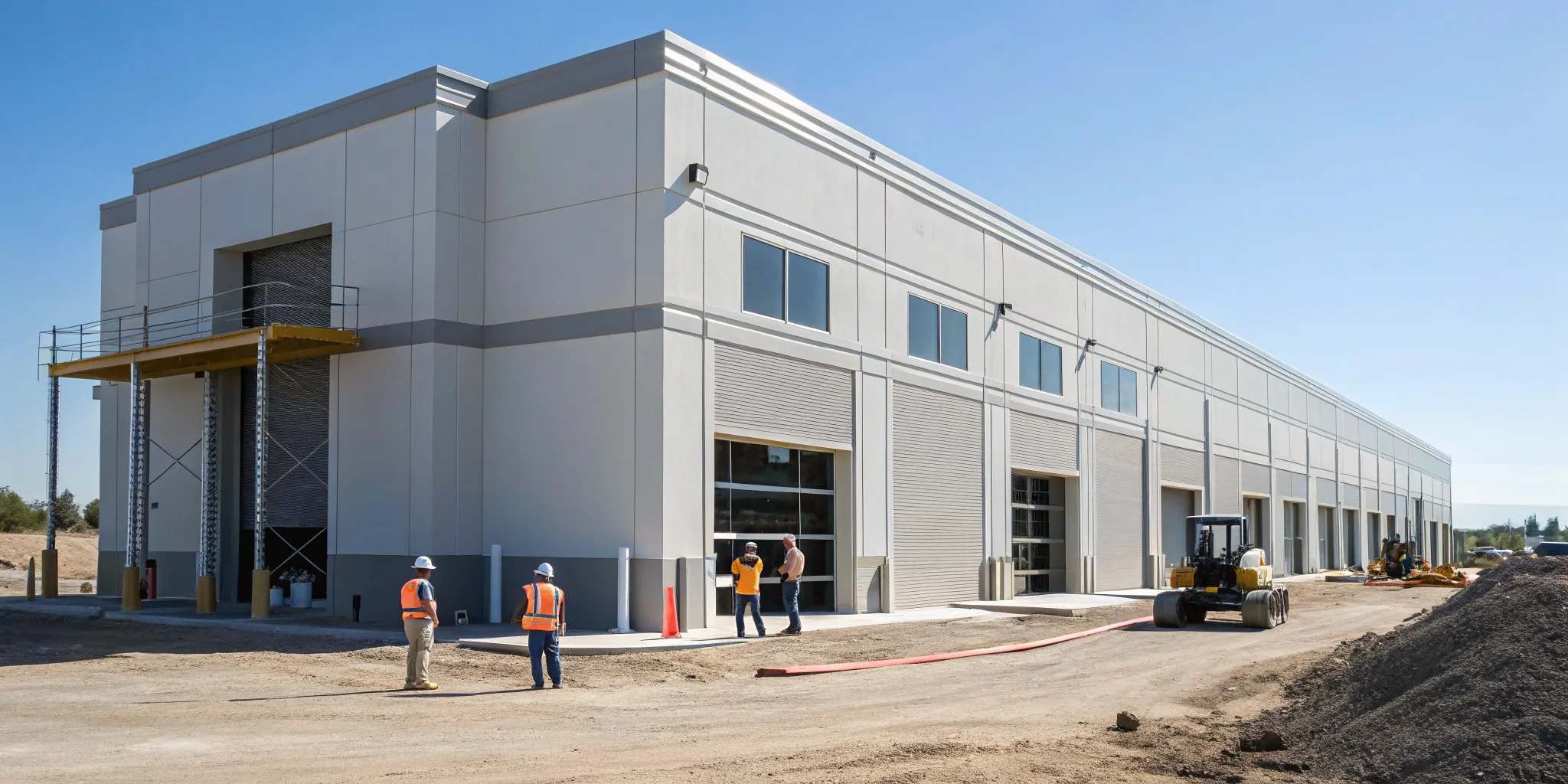
Building a successful self-storage facility requires a specific kind of expertise. Unlike other commercial properties, every design choice directly impacts your operational efficiency and profitability—from the unit mix and hallway width to the integration of climate control and security systems. A general contractor might not grasp these nuances, potentially leaving you with a facility that is difficult to manage and less appealing to tenants. This is why savvy developers exclusively partner with specialized self storage construction companies. These firms live and breathe this asset class. They understand the market, the tenants, and how to build a durable, low-maintenance facility designed for maximum return. In this article, we’ll cover the essential services and expertise you should demand from your construction partner.
Key Takeaways
- Choose a True Self-Storage Expert: Your builder should be a strategic partner with a proven portfolio in this specific asset class, capable of managing the entire project from site evaluation to a revenue-ready facility.
- Build a Comprehensive Budget: A realistic financial plan must account for more than core construction. Factor in site work, climate control, security systems, and soft costs to ensure your pro forma is accurate from the start.
- Leverage Design-Build for Efficiency: This integrated model shortens project timelines and improves cost control by uniting the design and construction teams, helping you achieve a faster return on your investment.
What Services Do Self-Storage Builders Provide?
When you partner with a specialized self-storage builder, you’re getting more than just a contractor—you’re getting a dedicated partner who understands the nuances of this unique asset class. A true self-storage construction expert manages every detail, from the initial sketch to the final walkthrough. Their goal is to deliver a high-performing facility that meets your financial goals and serves your future tenants. Let’s walk through the key services you should expect.
Managing Your Project from Design to Build
A top-tier self-storage builder handles your project from the earliest concept all the way through construction. This integrated approach, often called design-build, means one team is responsible for everything from architectural plans and engineering to final execution. Instead of juggling separate designers and contractors, you have a single point of contact dedicated to bringing your vision to life efficiently. This team works with you to refine the initial idea, ensuring the design is both functional for customers and profitable for you as the owner. This streamlined process eliminates communication gaps and keeps everyone accountable for the project's success.
Preparing Your Site for Construction
Before the first wall goes up, a huge amount of work needs to happen. Your construction partner will manage all site preparation, which is critical for a successful build. This includes conducting site evaluations to confirm the land is suitable and helping you plan the most efficient unit mix and layout for maximum profitability. They also handle the essential groundwork like grading, utility hookups, and navigating the complex web of local zoning laws and permits. Getting this stage right prevents costly delays and ensures your project starts on a solid foundation, setting you up for a smoother construction phase.
Installing Key Storage Features
A self-storage facility is more than just a concrete box with doors. A specialized builder knows exactly what features are needed to create a secure, modern, and desirable property. They will install essential components like durable roll-up doors, climate-control systems, and efficient lighting. More importantly, they integrate critical security features, including gated access controls, individual unit alarms, and comprehensive surveillance camera systems. This expertise ensures your facility is not only well-built but also equipped to protect your customers' belongings and your investment, making it more competitive in the market.
Overseeing Timelines and Compliance
One of the most valuable services a self-storage builder provides is meticulous project management. They are responsible for keeping the project on schedule and within budget, providing you with clear communication and transparent reporting along the way. An experienced team also manages all inspections and ensures the building meets every local, state, and federal code. This oversight is key to a smooth process, as it guarantees your facility is built to last and avoids any compliance issues that could derail your opening day. It’s about delivering predictable results you can count on.
Delivering a Ready-to-Operate Facility
The ultimate goal is to deliver a turnkey project. When the construction is complete, your builder should hand you the keys to a facility that is 100% ready for business. This means all systems are operational, the site is clean, final inspections are passed, and you can start leasing units immediately. By managing the entire process, from the first shovel of dirt to the final coat of paint, they ensure you can start generating revenue without delay. You can see examples of these finished, revenue-generating properties in our project portfolio.
How to Choose the Right Self-Storage Construction Partner
Selecting a construction partner is one of the most critical decisions you'll make for your self-storage project. The right firm acts as more than just a builder; they are a strategic partner invested in your success. They bring specialized expertise that can save you time and money while ensuring a high-quality facility that attracts and retains tenants. To find that ideal partner, you need to look beyond the bid and evaluate their experience, processes, and reputation. A thorough vetting process will help you find a team that can solve problems, stay on schedule, and deliver a facility built for long-term value.
Assess Their Experience and Portfolio
Your general contractor should have a deep understanding of the self-storage industry's specific demands. This isn't just another commercial building; it requires a nuanced approach to unit mix, climate control, security integration, and traffic flow. When vetting potential partners, ask to see their project portfolio. Look for a proven track record with facilities similar to yours, whether they are single-story drive-ups, multi-story climate-controlled buildings, or complex conversions. A firm that specializes in self-storage construction will be familiar with the unique challenges and opportunities of this asset class, ensuring your facility is designed for maximum efficiency and profitability from day one. Their experience translates into smarter solutions and fewer surprises during construction.
Look for Design-Build and Local Expertise
The design-build approach, where one team handles the project from initial concept to final construction, is a game-changer for self-storage development. This integrated model streamlines communication, eliminates finger-pointing between architects and builders, and allows for real-time problem-solving. A single point of accountability simplifies the entire process for you as the owner. Equally important is local expertise. A partner who understands Texas zoning laws, permitting processes, and subcontractor relationships can guide your project smoothly through municipal hurdles. Their familiarity with the local landscape ensures your facility is not only compliant but also well-positioned within the market, saving you from costly delays and redesigns.
Check References and Financial Health
A builder’s reputation is one of your most reliable indicators of future performance. Don’t just ask for a list of references—call them. Speak with past self-storage clients and ask pointed questions: Did the project finish on time and on budget? How did the team handle unexpected challenges? Was communication clear and consistent? A strong partner will have a history of satisfied clients who can attest to their problem-solving skills and reliability. It's also wise to verify their financial stability. A financially healthy contractor is more likely to manage your project effectively and see it through to completion without costly disruptions or liens on your property.
Review Their Construction Efficiency
In self-storage, time is money. The faster your facility is built, the sooner you can start generating revenue. An efficient construction partner understands this and uses proven systems to keep your project on track. The collaborative nature of design-build is a major advantage here, as it allows the team to identify and address potential risks early in the process, preventing delays down the line. Ask potential builders about their project management software, scheduling methods, and how they communicate progress. A well-organized firm can provide a clear, predictable timeline, giving you the confidence that your investment will be operational as quickly as possible and you can begin leasing units sooner.
Verify Their Regulatory Knowledge
Navigating the web of regulations for a self-storage project can be daunting. From local zoning ordinances and land use requirements to ADA accessibility and fire codes, there are countless rules to follow. A top-tier construction partner brings extensive regulatory knowledge to the table. They should be able to help you evaluate a potential site, plan an efficient and compliant unit layout, and manage the entire permitting process. This expertise is invaluable, as it helps you avoid costly mistakes and significant delays. A partner who can confidently guide you through the red tape is essential for getting your project approved and built without any major setbacks, ensuring a smooth path from groundbreaking to grand opening.
What Are the Real Costs of a Self-Storage Project?
A successful self-storage project starts with a realistic budget. While every build is unique, understanding the key cost categories helps you create a solid financial plan. From the foundation to the finishing touches, a clear picture of your expenses ensures you can secure funding and move forward with confidence. A transparent construction partner will walk you through these numbers, helping you avoid surprises and make informed decisions that protect your investment from day one.
Breaking Down Costs Per Square Foot
The cost per square foot is a foundational metric for estimating your project, but it’s important to know what goes into that number. On average, you can expect the construction of a climate-controlled self-storage building to fall between $65 and $100 per square foot. This figure typically covers the core structure, including materials and labor. However, this is just a starting point. The final cost will depend on your building’s design, the quality of materials you choose, and regional labor rates. Understanding this baseline is the first step in avoiding common construction mistakes and setting your project up for success.
Accounting for Site and Infrastructure Expenses
Before you can go vertical, you have to prepare the land. Site development is a critical phase that includes everything from clearing and grading the property to installing utilities, paving driveways, and adding landscaping. These site development costs typically range from $4.25 to $8 per square foot. The final amount depends heavily on the condition of your land—a flat, clear lot will cost significantly less to prepare than a sloped site with dense vegetation or poor soil. A thorough site evaluation from your construction partner is essential to get an accurate estimate for this part of your budget.
Factoring in Climate Control and Security
Modern self-storage customers expect more than just a roll-up door. Offering climate-controlled units is a great way to attract higher-paying tenants and protect their sensitive belongings. Adding this feature involves specialized HVAC systems, insulation, and sealed entryways, which can add $16 to $19 per square foot to your buildout. Beyond climate control, a robust security system is non-negotiable. This includes gated access, individual door alarms, and high-definition surveillance cameras. While these features increase upfront costs, they are essential for commanding premium rental rates and building a trustworthy brand.
Uncovering Potential Hidden Costs
Even the most detailed budgets can be derailed by unexpected expenses. Many developers overlook soft costs that aren’t directly tied to materials or labor. These budget blind spots can include everything from utility connection fees and construction inspection fees to the cost of furnishing your front office. You also need to account for marketing expenses for your grand opening and the initial operating losses during the lease-up period. Working with an experienced builder who provides a comprehensive pre-construction service helps you anticipate these expenses and build them into your pro forma from the start.
Understanding Financing and Payment Structures
Securing financing is one of the biggest steps in getting your project off the ground. Lenders want to see a detailed, transparent budget that proves your project is viable and that you’ve done your homework. An experienced design-build firm can provide comprehensive pricing during your due diligence period, giving you a clear picture of total project costs before you commit to the land. This allows you to approach lenders with a confident, well-documented plan. At Pillars of Seven, we provide the detailed estimates you need to start your project on solid financial footing.
Why Choose a Design-Build Firm for Your Storage Project?
When you’re developing a self-storage facility, your goal is to get from concept to cash flow as efficiently as possible. The traditional construction method—hiring an architect, finalizing plans, then bidding the project out to general contractors—can be slow and fragmented. This process often creates a wall between the design team and the construction team, leading to miscommunications, budget overruns, and frustrating delays. This is where the design-build model changes the game.
A design-build firm acts as your single partner, managing everything from the initial architectural drawings to the final construction. This integrated approach brings designers and builders together under one contract, fostering a collaborative environment from day one. Instead of pointing fingers when issues arise, the team works together to find the best solution for your project. This unified process is one of our core construction capabilities because it delivers better value, faster timelines, and a smoother experience for you as the owner. For a self-storage project, where standardized layouts and speed-to-market are critical, this streamlined approach is a significant advantage that protects your investment and your timeline.
Finish Faster and Earn Revenue Sooner
Time is money, especially in real estate development. The single greatest advantage of the design-build model is its ability to fast-track your project schedule. Because the design and construction phases overlap, work can begin much earlier. The design-build method allows foundational and site work to start while the final architectural details are still being refined. This parallel processing shaves weeks, or even months, off the total project timeline. For you, this means your storage facility opens its doors sooner, you can start signing leases earlier, and your investment begins generating revenue much faster than with a traditional construction process.
Save Money with Smart Engineering
The design-build model integrates cost analysis directly into the design process. With your contractor involved from the beginning, they can provide real-time feedback on the cost and availability of materials, as well as the feasibility of certain designs. This early collaboration is key to value engineering—finding the most cost-effective solutions without sacrificing quality. The team can identify and address potential risks before they become expensive change orders during construction. This proactive approach to budgeting means fewer surprises and helps ensure your self-storage project stays on track financially from start to finish.
Work with One Accountable Team
Juggling separate contracts for your architect, engineer, and general contractor can feel like a full-time job. The design-build approach simplifies everything by giving you a single point of contact and responsibility. Your design-build firm is accountable for the entire project, from the quality of the design to the final construction outcome. This eliminates the blame game that can happen in traditional models when design flaws lead to construction issues. With one unified team, communication is streamlined, decisions are made faster, and everyone is working toward the same goal: delivering a successful project for you. It’s a partnership built on a shared vision, which is central to how we thrive.
Improve Quality and Communication
When designers and builders work in silos, valuable insights are often lost. In a design-build project, they operate as a cohesive unit. This constant collaboration ensures that the final design is not only aesthetically pleasing but also practical and efficient to build. The open and transparent communication fostered by this model builds trust and allows for creative problem-solving throughout the project. The result is a higher-quality facility because the team can collectively leverage their expertise to optimize every aspect of the build, from the site layout to the unit mix and security features.
Reduce Risk and Solve Problems Efficiently
Having a contractor’s practical expertise during the design phase is invaluable for mitigating risk. Builders understand constructability—the real-world challenges of turning architectural plans into a physical structure. By reviewing plans through each design phase, the contractor can spot potential issues, such as site complications or inefficient material use, long before ground is broken. This foresight prevents costly delays and rework during the construction phase. It ensures your project is built on a solid, well-vetted plan, leading to a more predictable and successful outcome, just like the ones you can see in our past projects.
Related Articles
- Public Storage Project
- Bee Cave Self Storage Project
- L Storage Project
- Landmark Self Storage Project
- Community Self Storage Project
Frequently Asked Questions
What's the real difference between a design-build firm and a regular general contractor? Think of it this way: with a traditional general contractor, you first hire an architect to create a full set of plans and then bid that design out to builders. A design-build firm, on the other hand, is your single partner for the entire process. The architects, engineers, and construction managers are all on the same team from day one, which means your project is designed with your budget and timeline in mind from the very beginning. This eliminates the finger-pointing that can happen when a design issue causes a construction delay, giving you one accountable team focused on your success.
What are the biggest factors that influence the final cost of a self-storage project? Beyond the size of the facility, the three biggest cost drivers are the condition of your land, the complexity of the building, and the features you include. Preparing a sloped, rocky site will cost more than a flat, clear lot. Similarly, a multi-story, climate-controlled building requires more complex engineering and materials than a simple row of drive-up units. Finally, amenities like advanced security systems, automated gates, and high-end office finishes will also shape your final budget.
How long does it typically take to build a self-storage facility from start to finish? The timeline can vary quite a bit, but a straightforward, single-story facility can often be completed in 6 to 9 months once construction begins. More complex multi-story projects can take 12 months or longer. The biggest variable is usually the local permitting process, which can add several months before any dirt is moved. Working with a design-build firm can help speed things up because site work can often begin while the final architectural details are still being completed.
My land isn't perfectly flat. How much does site preparation add to the budget? Site work is one of the most variable costs in any construction project. A property that requires extensive grading, soil correction, or new utility lines brought in from a distance will have significantly higher preparation costs than a level site with existing infrastructure. The best way to get a clear number is to have your construction partner perform a thorough site evaluation early in the planning process. This allows them to identify potential challenges and give you a realistic estimate for that portion of your budget.
What information do I need to have ready before I contact a builder? To have the most productive first conversation, it’s helpful to have a few key pieces of information. You should have the property address or a survey of the land you intend to build on. It’s also useful to have a general idea of your goals for the project, such as the approximate square footage you want to build or the number of units you're aiming for. Finally, having a sense of your overall budget helps the builder understand the project's scope and guide you toward the most effective solutions.