How to Build an Apartment Building: A 10-Step Guide
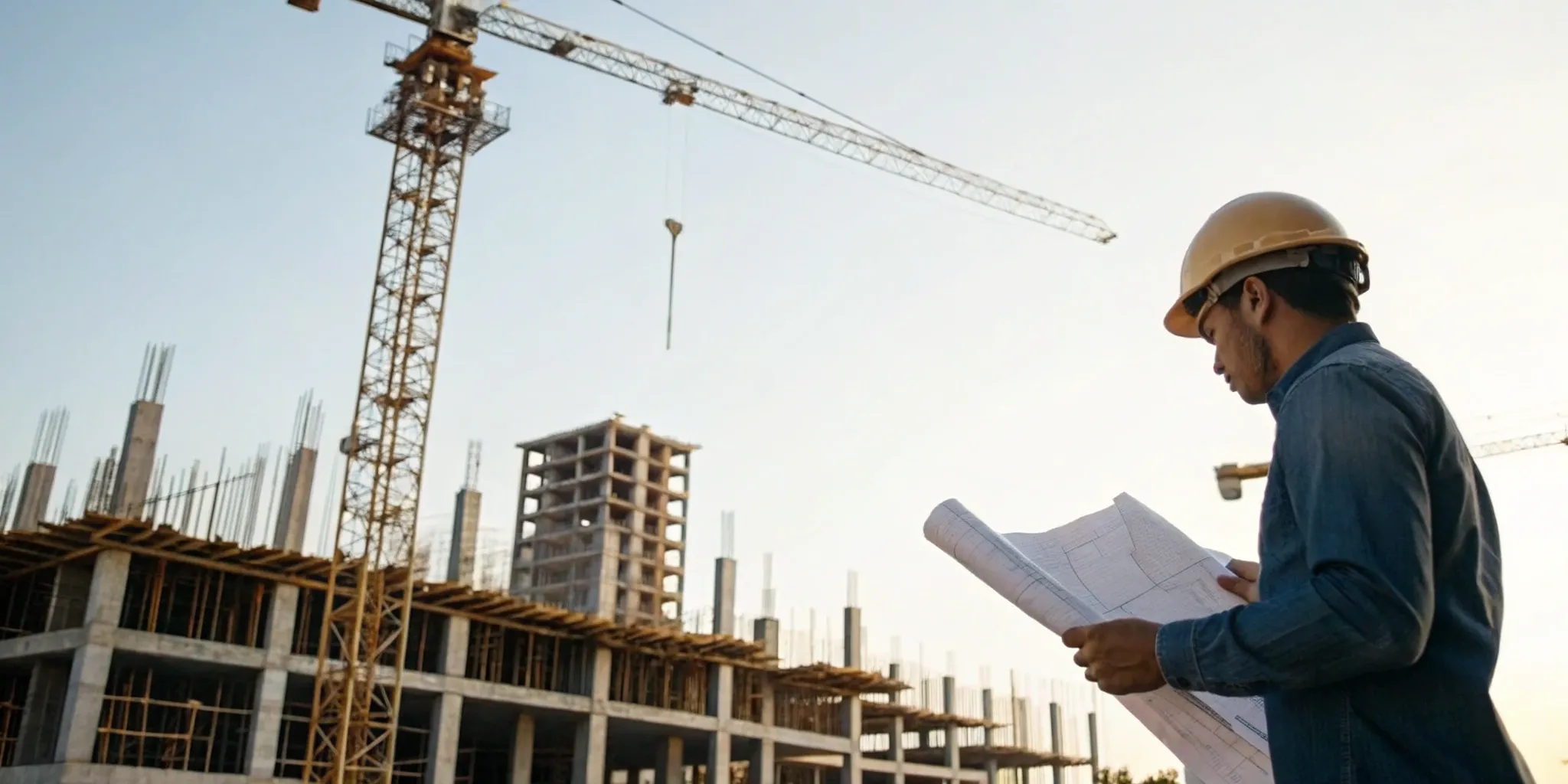
An apartment building is more than just a structure; it's a significant financial asset. Protecting that investment starts long before the first shovel hits the dirt. Every decision, from the initial market analysis to the final choice of finishes, directly impacts your budget, timeline, and eventual return on investment. So, where do you begin? This comprehensive overview demystifies the development process. We will walk you through the essential phases and critical milestones you need to hit. Think of this as your blueprint for understanding how to build an apartment building that is not only beautiful and functional but also profitable for years to come.
Key Takeaways
- Validate Your Vision with Data, Not Just a Hunch: The most successful projects are built on a solid business case. Before anything else, confirm market demand, define your ideal tenant, and create a detailed budget. This foundational work ensures your project is profitable and desirable long before you break ground.
- Integrate Your Builder During the Design Phase: Bringing your general contractor on board early is a strategic move, not just a hiring step. Their input on constructability and value engineering can significantly reduce costs and prevent expensive changes, ensuring your architectural plans are both beautiful and efficient to build.
- Your Lease-Up Strategy Starts During Construction: Don't wait until the final nail is hammered to think about tenants. A proactive marketing and leasing plan should launch while the building is still under construction. This builds a pipeline of qualified renters, minimizes initial vacancy, and ensures you start generating revenue from day one.
Laying the Groundwork: Your Pre-Construction Checklist
Before a single shovel hits the dirt, the most critical work on your apartment building project has already begun. This pre-construction phase is all about strategy and due diligence. It’s where you build the business case for your project, ensuring that your vision is not only buildable but also profitable and desirable in the long run. Skipping these foundational steps is like building a house on sand—it’s a risk that smart developers and investors simply don’t take. Think of this as your project’s blueprint for success. By clearly defining your target market, locking down your finances, and validating market demand, you create a solid framework that will guide every decision you make, from land acquisition to the final walkthrough. This is the stage where you answer the big questions and mitigate risks before they become expensive problems. It's about transforming a great idea into a viable, data-backed investment opportunity. Getting this part right saves you time, prevents costly mistakes, and sets the stage for a smooth construction process and a successful launch.
Pinpoint Your Ideal Tenant and Rental Strategy
Before you start scouting locations, you need a clear picture of who you’re building for. Who is your ideal tenant? Are they young professionals seeking luxury amenities, families needing more space, or students looking for proximity to campus? Creating a detailed tenant profile will shape everything from your unit mix and floor plans to the finishes and community features you include. This isn’t just a creative exercise; it’s a strategic decision that directly informs your rental strategy. Once you know your audience, you can confidently decide on your market position, set competitive rental rates, and project your potential income, which is essential information for your overall business plan.
Set Your Budget and Secure Financing
Building an apartment complex is a major financial commitment, so establishing a realistic budget from the outset is non-negotiable. This initial budget should cover everything from land acquisition and soft costs (like architectural and engineering fees) to the hard costs of construction itself. For a general idea, mid-rise apartment buildings can cost anywhere from $220 to over $700 per square foot to build. With a solid budget in hand, you can begin conversations about financing. Securing a construction loan is often more complex than a standard mortgage, so it’s wise to connect with multiple lenders to find the best terms. Having a well-researched plan will show potential financial partners that you’ve done your homework and are ready to start your project.
Analyze Market Demand and Local Competition
You might have a fantastic idea for an apartment building, but does the local market agree? A thorough market analysis is crucial to validate your project’s viability. Start by digging into key data for your target area, such as current vacancy rates, the pipeline of new units under construction, and average rental prices for comparable properties. Look beyond the numbers, too. What are competing properties offering? Is there an unmet need for specific amenities, like co-working spaces or enhanced outdoor areas? Understanding how quickly new units are absorbed in the market will also help you create realistic lease-up timelines and cash flow projections, ensuring you’re prepared for the financial realities of filling your building.
Securing Funds and Finding the Perfect Site
Before a single shovel hits the dirt, two of the most critical decisions you'll make are how to finance your project and where to build it. These two elements are deeply connected; the quality and location of your site will directly impact your ability to secure funding, while your budget will determine the kinds of sites you can consider. Lenders and investors need to see a clear path to profitability, which starts with a viable piece of land in a promising market.
This phase is all about due diligence. It involves creating a bulletproof financial plan and meticulously vetting potential locations to ensure they align with your project goals and local regulations. Getting these foundational pieces right is non-negotiable. A mistake here—like overpaying for land or discovering a critical zoning issue after closing—can derail your project before it even begins. Taking the time to thoroughly research your financing options and perform exhaustive site analysis will build a strong foundation for every subsequent step of the construction process. It’s the strategic groundwork that separates a successful development from a costly lesson.
Explore Construction Loans and Investor Partnerships
Building an apartment complex requires significant capital, and your financing strategy is the key that unlocks it all. Unlike a standard mortgage, a commercial construction loan is typically a short-term loan used only to cover the costs of building. Funds are often disbursed in stages, or "draws," as you complete different phases of the project. Because these loans are considered higher risk, lenders will scrutinize your business plan, budget, and experience. It’s smart to speak with multiple lenders, from traditional banks to private lenders, to find the best terms. Alternatively, forming partnerships with private investors or family offices can provide the necessary capital while also bringing valuable experience to the table.
Evaluate Potential Sites and Zoning Rules
Finding the perfect site goes far beyond a great address. Once you’ve identified a promising parcel, you need to confirm you can actually build your intended project on it. This means diving deep into local zoning ordinances and land use regulations to ensure your apartment building is a permitted use. Your due diligence checklist should also include a title search to uncover any easements or restrictions, a land survey to verify boundaries, and geotechnical reports to assess soil conditions. Overlooking this step can lead to major delays and unexpected costs. This is an area where an experienced construction partner can provide critical pre-construction services, helping you evaluate site feasibility before you commit.
Check for Proximity to Amenities and Transit
The long-term success of your apartment building depends on its appeal to future tenants. Today’s renters are looking for more than just a place to live; they want a lifestyle. A prime location is one that offers convenience and connectivity. When evaluating sites, consider their proximity to key amenities like grocery stores, restaurants, parks, and schools. Is the property easily accessible via major roads? Is it close to public transportation hubs? A high Walk Score, indicating that daily errands don't require a car, can be a major selling point. Choosing a site that connects residents to the community will make your property easier to lease, command higher rents, and retain its value over time.
Clearing the Hurdles: Permits and Approvals
Before you can break ground, you have to get through the paperwork. The permitting and approval stage can feel like a maze of regulations and red tape, but it’s a non-negotiable part of any successful build. This is where your project gets the official green light from local authorities, ensuring it’s safe, legal, and compliant with community standards. Getting this right from the start prevents costly delays and legal issues down the road.
Think of this phase as building a foundation of trust with the local municipality. It involves detailed applications, environmental reviews, and adherence to strict safety codes. Each approval you secure is a critical milestone that moves your project closer to reality. Working with an experienced construction partner who understands the local landscape can make a world of difference here, turning potential roadblocks into straightforward steps. They’ll know the specific requirements and the right people to talk to, keeping your project on track.
Navigate Building Permits and Zoning Approvals
First up is securing the necessary building and zoning permits from the local government. Zoning laws dictate what you can build and where, so confirming your apartment project aligns with the area’s master plan is essential. You’ll need to submit detailed architectural plans and site surveys for review. It’s important to remember that multifamily projects are treated differently than single-family homes; residential structures with common areas typically require commercial building permits. This process ensures your development meets all local codes for land use, building height, density, and setbacks, laying the legal groundwork for everything that follows.
Complete Environmental and Impact Studies
Depending on your location and the scale of your project, you may need to conduct environmental and impact studies. These assessments evaluate how your new apartment building will affect the surrounding area, from traffic patterns and utility usage to local wildlife and drainage. While it might seem like an extra step, completing required environmental impact studies is often a prerequisite for obtaining your final building permits. It demonstrates responsible development and helps you anticipate and address potential community concerns early on, ensuring your project is a welcome addition to the neighborhood.
Ensure Fire Safety and Accessibility Compliance
Safety and accessibility aren't just good practices—they're legal requirements. During the design phase, your plans must show full compliance with fire safety regulations and accessibility standards. This includes planning for adequate parking, clear access for emergency vehicles, and meeting all Americans with Disabilities Act (ADA) requirements for units and common areas. Integrating these elements into your initial blueprints is far more efficient than making expensive changes later. Prioritizing these details ensures your building is safe and welcoming for all future residents and helps you avoid failing critical inspections before opening your doors.
From Blueprint to Reality: The Design and Planning Phase
This is where your apartment building truly begins to take shape. Moving from financial models and site surveys to actual blueprints is a major milestone, and getting it right is one of the most important factors for keeping your project on schedule and on budget. The decisions made here will dictate every step of the construction process. A thoughtful, detailed plan acts as your project’s north star, preventing the kind of expensive, last-minute changes that can derail even the most promising developments.
This phase is all about collaboration. You’ll be working closely with your architect and team of engineers to translate your vision into a buildable reality. Bringing your general contractor into these conversations early is one of the smartest moves you can make. An experienced construction partner provides critical feedback on constructability and cost, a process known as value engineering. They can review the initial designs and suggest alternative materials or methods that deliver the same quality and function for a lower cost. This proactive approach is central to our design-build services, ensuring your project is optimized for efficiency from day one. Think of this phase not as a hurdle to clear, but as an investment in a smoother, more predictable build.
Develop Architectural Plans and Unit Mix
Your architectural plans are the comprehensive guide for your entire project. Working with an architect, you’ll create detailed blueprints that go far beyond simple floor plans. These documents specify everything from the building’s exterior look to the precise layout of each unit. A key part of this process is defining your unit mix—the ratio of studios to one-, two-, or three-bedroom apartments. This decision should be guided by your market research to meet local demand and maximize your rental income. The final design must also account for practical considerations like parking requirements, accessibility for residents, and clear access for emergency vehicles. The goal is to create a space that is not only beautiful and desirable for tenants but also functional and efficient to construct.
Finalize Structural Engineering Requirements
Once the architectural vision is set, structural engineers step in to make sure it can be built safely and durably. They are responsible for designing the building’s “skeleton”—the foundation, columns, beams, and floors that will support the entire structure. They perform complex calculations to account for the building’s weight, environmental factors like wind, and local building codes. This is also when critical decisions about building materials are finalized. Whether your project uses a steel frame, reinforced concrete, or wood, your engineer will create the specifications needed to ensure the structure is sound. Reviewing our past projects can give you a clear idea of how different structural systems come together to create high-quality multifamily housing that stands the test of time.
Plan Your MEP Systems and Utilities
A building is more than just walls and a roof; its mechanical, electrical, and plumbing (MEP) systems are its lifeblood. These systems include everything from the HVAC that keeps residents comfortable to the wiring that powers their devices and the pipes that deliver clean water. Planning for these complex networks must happen in tandem with the architectural and structural design. Integrating MEP early ensures that there is adequate space for ductwork, conduits, and pipes without requiring costly structural modifications later. This is also the time to consider modern amenities that attract tenants, such as high-efficiency HVAC units, smart home features, and building-wide high-speed internet. Thoughtful MEP planning results in a more comfortable, efficient, and marketable building.
Bringing It to Life: Key Construction Phases
This is the moment every developer waits for—when plans leave the paper and start taking shape on site. With permits secured and designs finalized, the construction phase is where your vision becomes a tangible asset. This stage is a carefully orchestrated sequence of events where a skilled general contractor manages countless moving parts to bring the structure to life. From the first scoop of dirt to the final coat of paint, each step builds upon the last, transforming an empty lot into a thriving apartment building.
Prepare the Site and Pour the Foundation
Before any vertical construction can begin, the site itself needs meticulous preparation. This initial phase involves clearing the land of any existing structures, trees, or debris. Next, we perform essential earthwork, grading the site to ensure proper drainage and stability based on the civil engineering plans. Geotechnical engineers will have already analyzed soil conditions to inform the foundation design. Once the site is prepped, excavation carves out the space for the building's footprint. Finally, we pour the concrete foundation, a critical step that involves embedding steel rebar for reinforcement to create a solid base that will support the entire structure for decades to come.
Install Framing and Structural Systems
With the foundation cured, the building starts to rise from the ground. During the framing stage, we erect the structural skeleton of the apartment complex. Depending on the design, this can involve wood, light-gauge steel, or structural steel. As the frame goes up floor by floor, the building's shape becomes recognizable. We then install exterior sheathing and a weather-resistant barrier, often called a "house wrap." This protective layer is crucial for shielding the interior from the elements, allowing interior work to begin even as the exterior facade is still under construction. This phase sets the stage for all subsequent construction services.
Complete MEP Rough-In and Interior Finishes
Once the building is framed and weatherproofed, it's time to install its vital systems. This is the MEP rough-in, which stands for Mechanical, Electrical, and Plumbing. Crews run all the necessary pipes, ductwork, and wiring through the open walls and ceilings before they are closed up. After these systems pass inspection, insulation is installed, and the drywall goes up—a major milestone that transforms open framing into defined rooms and hallways. From here, the focus shifts to finishes. We install windows, doors, flooring, cabinets, countertops, and light fixtures, bringing each unit one step closer to being move-in ready for your future tenants.
Managing Your Build for On-Time, On-Budget Results
Once you break ground, effective project management becomes the single most important factor in your success. A complex apartment build has countless moving parts, and keeping them all aligned requires a steady hand and a clear strategy. Without meticulous oversight, even the best-laid plans can fall victim to delays and budget overruns. The key is to focus on three core areas: creating a solid schedule, seamlessly coordinating your teams, and maintaining strict quality control from start to finish. This proactive approach ensures your project moves forward efficiently, transforming your blueprint into a profitable asset.
Create a Realistic Project Schedule
Your project schedule is more than a calendar of deadlines; it’s the operational roadmap for your entire build. A truly effective schedule integrates timelines with budget allocations and resource management for every phase of construction. This means mapping out not just when the foundation will be poured, but also ensuring the materials, equipment, and labor are ready at that exact moment. Developing this detailed plan is a crucial part of our construction services, as it allows us to anticipate needs, manage cash flow, and keep the project on a clear path to completion. A realistic schedule sets clear expectations and provides the framework for making smart, timely decisions throughout the build.
Coordinate Your Subcontractors and Trades
An apartment building is assembled by a small army of specialized subcontractors, from electricians and plumbers to framers and finishers. The general contractor’s role is to act as the central command, ensuring every team works in perfect sync. This involves more than just scheduling; it’s about managing the flow of work on-site to prevent bottlenecks and rework. Clear communication and expert oversight ensure that each trade completes its work to the required quality and safety standards before the next one begins. Seeing our past multifamily projects demonstrates how this careful coordination leads to a smooth, efficient, and successful build.
Implement Quality Control and Inspections
Quality isn’t something you check for at the end—it’s something you build in every single day. Successful project management depends on regular quality control checks and inspections at every stage. This means walking the site constantly, verifying that work meets design specifications, and addressing potential issues before they become costly problems. Strong communication between the general contractor, subcontractors, and your team is essential for maintaining high standards. This commitment to ongoing quality assurance ensures the final product is durable, compliant, and ready for tenants, keeping the project on schedule and within budget. When you’re ready to build with a team that prioritizes quality, you can start a project with us.
Budgeting for Success: A Look at Construction Costs
A successful apartment build hinges on a realistic and well-managed budget. Getting the numbers right from the start protects your investment and sets the stage for a profitable outcome. While every project is unique, construction costs for a mid-rise or high-rise apartment complex can range anywhere from $220 to $700 per square foot. Understanding how these costs break down is the first step toward building a financial plan you can count on.
Your total project budget is typically split into two main categories. Hard costs, which cover the physical construction like materials and labor, will make up the bulk of your expenses—usually around 70% to 80%. The remaining 20% to 30% goes toward soft costs, which include things like architectural design, engineering fees, permits, and insurance. Working with an experienced general contractor is the best way to get a detailed, accurate forecast for your specific project, as they can provide precise estimates based on current market conditions and your building’s design. A partner with deep expertise in commercial construction can help you create a comprehensive budget that leaves no stone unturned.
Estimate Your Material and Labor Costs
When you start digging into the numbers, you’ll see that materials and labor are your biggest line items. These hard costs are influenced by everything from the quality of finishes you choose to the complexity of your building’s structural design. For example, a luxury high-rise with premium amenities will naturally have higher material costs than a more standard mid-rise complex. Labor costs also vary significantly based on your location and the availability of skilled trades. To get a clear picture, you’ll need to work closely with your construction partner to source quotes and lock in pricing early in the process. This helps you avoid surprises and ensures your financial projections are grounded in reality.
Plan a Contingency for Unexpected Expenses
No matter how carefully you plan, construction projects are full of variables. That’s why a contingency fund isn’t just a nice-to-have; it’s an absolute must. This fund, typically 5% to 10% of your total construction cost, acts as a financial safety net for unforeseen issues. You might run into unexpected soil conditions during excavation, face delays in the permitting process, or experience a sudden spike in material prices. Having extra funds set aside allows you to handle these challenges without derailing your project or scrambling for last-minute financing. And if you don’t end up needing it? That money goes directly back into your pocket, improving your overall return on investment.
Identify Value Engineering Opportunities
A smart budget isn’t just about accounting for costs—it’s about actively finding ways to reduce them without compromising quality. This is where value engineering comes in. It’s a systematic approach to analyzing your project’s design and materials to find more cost-effective alternatives that still meet your goals for function and aesthetics. This process works best when your design and construction teams collaborate from the beginning. Detailed blueprints are essential, as they provide a clear roadmap and prevent costly misunderstandings. An experienced team can review your plans and suggest smart substitutions, like using a different but equally durable cladding material or optimizing the structural system to reduce steel tonnage. Reviewing a contractor's past projects can give you confidence in their ability to deliver both quality and value.
Staying Ahead of Common Construction Challenges
Even the most meticulously planned apartment build can hit a few bumps. The difference between a minor hiccup and a major roadblock often comes down to foresight and experience. Unexpected challenges with permits, weather, materials, and even neighbors can threaten your timeline and budget. The key is to work with a team that anticipates these issues and has clear strategies to manage them. An experienced general contractor offers more than just construction; they provide proactive problem-solving to keep your project on track. Our comprehensive construction services are designed to manage these variables, ensuring your build runs as smoothly as possible from start to finish.
Address Permitting and Regulatory Delays
Navigating the web of permits and local regulations can feel like a full-time job. From zoning approvals to environmental impact studies and fire safety compliance, there’s a mountain of paperwork that needs to be perfect. A single missing document or overlooked code can bring your project to a halt for weeks or even months. The best way to avoid this is to be diligent from the very beginning. Work with your team to gather all necessary documentation—like structural reports, land surveys, and architectural drawings—long before you plan to break ground. An experienced partner who understands the local permitting process will ensure every ‘i’ is dotted and every ‘t’ is crossed, preventing costly delays down the line.
Prepare for Weather-Related Setbacks
You can’t control the weather, but you can control how you prepare for it. Rain, snow, extreme heat, or high winds can shut down a job site and throw your entire schedule off course. A realistic project timeline should always include a buffer for potential weather delays, especially for critical path activities like pouring the foundation, framing, and exterior work. A proactive site superintendent will monitor forecasts closely, secure materials against the elements, and adjust daily work plans to maximize productivity on good weather days. Strong communication is essential, ensuring that all subcontractors are aware of schedule changes and that the project can ramp back up quickly once conditions improve.
Manage Supply Chain and Material Issues
In recent years, supply chain disruptions have become a significant challenge for construction projects. Long lead times for essential materials like steel, windows, lumber, and HVAC equipment can create serious bottlenecks. To get ahead of this, it’s crucial to finalize your material selections early and place orders well in advance. Your general contractor’s relationships with suppliers are invaluable here, as they can often secure better pricing and more reliable delivery dates. It’s also wise to discuss potential alternatives. Value engineering can identify different materials or systems that meet your project’s specifications without compromising quality, giving you flexibility if your first choice is unavailable.
Handle Community Relations and Concerns
An apartment building doesn’t exist in a vacuum—it’s part of a neighborhood. Construction is inherently disruptive, with noise, dust, and increased traffic. Building a positive relationship with the surrounding community from the outset can prevent formal complaints and foster goodwill for your future tenants. Simple gestures go a long way. Provide neighbors with a project timeline and a contact person for any concerns. Enforce strict job site cleanliness, manage parking for trades, and try to schedule the noisiest work during reasonable hours. By showing respect for the community, you’re not just being a good neighbor; you’re protecting your investment’s long-term reputation before the first resident even moves in.
The Final Stretch: Preparing for Your First Tenants
As the last coat of paint dries and the construction crews pack up, it’s easy to feel like you’ve crossed the finish line. But the transition from a construction site to a thriving apartment community is a critical phase that requires a completely different set of skills. This is where your focus shifts from blueprints and building materials to people, permits, and promotion. Getting this part right is just as important as pouring a solid foundation, as it directly impacts your ability to start generating revenue and achieve your investment goals. This final leg of the journey is all about operational readiness.
Successfully launching a new multifamily property involves three key steps: securing legal approval to open, attracting your first residents, and putting systems in place to manage the property effectively. It’s a coordinated effort that often begins while construction is still wrapping up. A well-managed final stretch ensures a smooth opening, minimizes initial vacancy, and sets the stage for long-term success. Many of our clients at Pillars of Seven have seen firsthand how a proactive approach during this phase can make all the difference, turning their newly completed projects into profitable assets from day one. We work alongside you to ensure this handover from construction to operation is seamless.
Pass Final Inspections to Get Your Certificate of Occupancy
Before you can hand over a single key, your building needs to be deemed safe and habitable by local authorities. This official green light comes in the form of a Certificate of Occupancy (CO). To get it, your property must pass a series of final inspections covering everything from electrical and plumbing systems to fire safety and accessibility compliance. This isn't just a formality; you cannot legally lease units without a CO. Your general contractor should manage this process meticulously, scheduling inspections and addressing any issues that arise. This final sign-off confirms that your project was built to code and is ready for its new residents.
Launch Your Marketing and Leasing Strategy
Don't wait for the CO to start looking for tenants. A strong go-to-market strategy should begin weeks or even months before the building is officially open. This is the time to build buzz and create a pipeline of qualified leads. Start by getting professional photos and videos of the finished units and amenities. Create a compelling website, set up social media profiles, and list your property on major rental platforms. Offering pre-leasing specials or virtual tours can help you secure your first tenants before the doors even open, ensuring you have income flowing from the very beginning and reducing costly initial vacancies.
Set Up Property Management and Screen Tenants
Once your building is ready and your marketing is in full swing, you need a solid system for managing the property and its residents. This involves everything from collecting rent and handling maintenance requests to enforcing lease agreements. You can hire a professional property management company or build your own in-house team. Whichever path you choose, a rigorous tenant screening process is essential. Thoroughly checking credit histories, references, and backgrounds helps you find reliable residents who will care for your property and pay their rent on time, protecting your investment for years to come.
Filling Your Building: Marketing for a Successful Launch
Once construction wraps up and you have your Certificate of Occupancy, the focus shifts to turning your new building into a thriving community—and a profitable asset. A successful lease-up doesn’t happen by accident; it requires a strategic marketing plan that begins long before the doors officially open. Getting this right is key to generating revenue quickly and establishing a strong reputation from day one.
Your marketing efforts should create excitement and build a pipeline of qualified leads so you have tenants ready to sign leases as soon as units are available. This involves a mix of digital branding, compelling visuals, and smart incentives to attract your ideal residents. By treating the lease-up phase with the same rigor as the construction process, you set your project up for long-term financial success. A thoughtful go-to-market strategy ensures you’re not just finishing a building, but launching a home.
Build a Strong Digital and Social Media Presence
Before anyone can tour the property, they need to find it online. Start by creating a distinct brand for your apartment building, complete with a professional website showcasing renderings, floor plans, and a list of amenities. This digital storefront is your most important tool for capturing interest. Include a simple form where prospective tenants can join a waitlist for updates.
Use social media platforms like Instagram and Facebook to tell the building’s story. Post behind-the-scenes construction progress, highlight unique design features, and feature the local neighborhood’s best coffee shops and parks. This helps potential renters envision their life there, building an emotional connection and a sense of community before they even step inside. Consistent, engaging content keeps your property top-of-mind as you approach opening day.
Offer Virtual Tours and Optimize Online Listings
In today’s market, renters expect to see a property thoroughly before scheduling an in-person visit. High-quality virtual tours are no longer a bonus—they’re a necessity. Investing in professional 3D walkthroughs, videos, and photography allows you to showcase your units in the best possible light. This makes your property accessible to out-of-town renters and busy locals, widening your pool of potential tenants.
Once you have your visual assets, create detailed and compelling profiles on major apartment listing sites. A complete and attractive listing is one of the most effective apartment lease-up marketing ideas for driving qualified traffic. Write descriptive copy that highlights key features and use your best photos to make a strong first impression. Keep your availability and pricing information current to attract serious inquiries.
Create Referral Programs and Move-In Specials
Incentives can be a powerful tool for accelerating your initial lease-up. Consider offering move-in specials, such as one month of free rent or waived security deposits, to create a sense of urgency and attract early applicants. These promotions can generate significant buzz and help you hit your occupancy goals faster. Be sure to clearly advertise these limited-time offers on your website and in your marketing materials.
Don’t underestimate the power of word-of-mouth. Implement a resident referral program that rewards current tenants for bringing in new ones. This not only fills vacancies but also helps build a stronger, more connected community. An effective apartment marketing plan often combines these types of incentives with targeted digital ads to ensure your offers reach the right audience at the right time.
Related Articles
- Pinhook South Apartment & Acadian Gardens Apartment
- Trails of Ashford Apartments
- Aspen Apartment
- Willowbend Apartment
- Mon Chateau Apartment
Frequently Asked Questions
When is the right time to bring a general contractor on board? Ideally, you should bring your general contractor into the conversation much earlier than you might think—often during site selection and before the architectural plans are finalized. An experienced construction partner can provide critical feedback on site feasibility, help create a more accurate initial budget, and collaborate with your design team. This early involvement is the key to effective value engineering, ensuring your project is designed for maximum efficiency and cost-effectiveness from the very beginning.
What's the most common mistake you see developers make? The most significant misstep is rushing through the pre-construction phase. It’s tempting to jump straight to design and building, but skipping the foundational work of market analysis, site due diligence, and detailed budgeting is a recipe for costly surprises. A successful project is built on a solid business case, not just a great idea. Taking the time to validate your vision with data ensures you’re building the right product for the right market at the right price.
How can I protect my budget from unexpected costs and delays? Protecting your budget comes down to proactive planning. First, a contingency fund of at least 5-10% of your total construction cost is essential; it’s your safety net for handling unforeseen issues like difficult soil conditions or material price spikes. Second, work with your contractor to order long-lead time materials well in advance to mitigate supply chain risks. Finally, a detailed and realistic project schedule helps everyone stay on track and allows your team to anticipate challenges before they become expensive problems.
What exactly is "value engineering" and how does it help my project? Think of value engineering as a creative problem-solving process focused on getting the best possible project for the least amount of money, without sacrificing quality or function. It involves your construction and design teams collaborating to analyze building systems and materials to find more efficient or cost-effective alternatives. For example, they might suggest a different structural grid to reduce steel costs or a more durable exterior cladding that offers better long-term performance for a similar price. It’s all about making smart choices that add value to your investment.
My financing is in place. Can I start building right away? Not quite. Securing your financing is a huge milestone, but there's a critical administrative phase that comes next: permitting and approvals. Before you can break ground, you must submit your detailed plans to the local municipality and obtain all the necessary building permits. This process ensures your project complies with all zoning laws, safety codes, and accessibility standards. It can take some time, so it’s a step that needs to be factored into your overall project timeline.