The 5 Stages of Design Construction Building
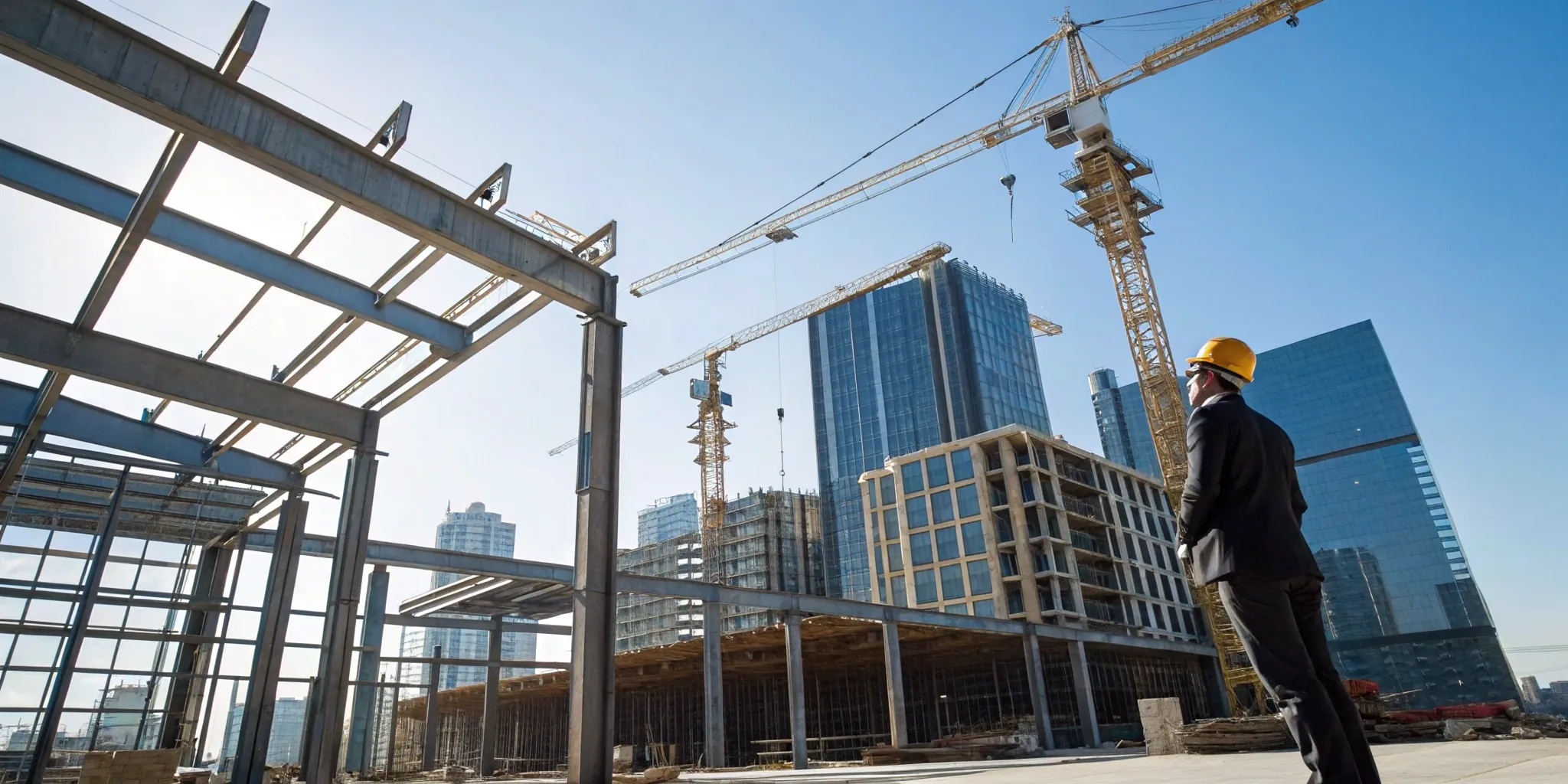
Bringing a large-scale development to life often feels like navigating a maze of separate contracts, competing priorities, and endless finger-pointing. The traditional method of hiring an architect, waiting for plans, and then bidding them out to contractors can create friction and delays before a single shovel hits the ground. The design-build model offers a more direct path. It streamlines the entire process by uniting designers and builders into one cohesive team under a single contract. This integrated approach fosters collaboration from day one, ensuring your vision, budget, and schedule are always aligned. This guide breaks down how this unified design construction building method works, from the initial concept to final delivery, providing the clarity and predictability your investment deserves.
Key Takeaways
- Design-build creates a single point of accountability: Your project is managed by one unified team under a single contract, which eliminates the finger-pointing between architects and builders and keeps everyone focused on delivering your project successfully.
- Early collaboration is key to budget control: Involving the construction team during the design phase provides real-time cost feedback and value engineering, ensuring your vision aligns with your financial goals from the very beginning.
- Vet your partner’s process, not just their portfolio: A great design-build firm has more than just impressive past projects; they have a transparent and structured process for communication, problem-solving, and managing changes that ensures a smooth project from start to finish.
What is the design-build process?
Think of the design-build process as the most streamlined way to get your project from an idea to a finished building. It’s a project delivery method that combines both design and construction services under a single contract. Instead of juggling separate architects, engineers, and contractors, you work with one cohesive team from start to finish. This integrated approach is all about efficiency, fostering clear communication and collaboration between the design and construction teams right from day one. It removes the common friction points found in other methods, aligning everyone toward the same goal: delivering your project on time and on budget.
One team, one contract
The core of the design-build model is its simplicity: you have one team and one contract. As the owner, you sign a single agreement with a design-build firm that takes full responsibility for both the design and the construction phases. This creates a single point of contact and accountability. There’s no risk of the architect and builder blaming each other for delays or cost overruns because they are part of the same team. This unified structure builds trust and ensures everyone is working together from the outset to find the best solutions for your project.
Design-build vs. traditional construction
This approach is quite different from the traditional construction method, often called design-bid-build. In that model, you would hire an architect to create a full set of plans and then solicit bids from various general contractors. This sequential process can create an adversarial relationship between the designer and the builder and often leads to longer timelines. With design-build, the design and construction phases can overlap. This allows for a faster schedule, as site work can begin while final design details are still being worked out. This collaborative approach is behind many of our most successful projects, as it minimizes conflicts and keeps everything moving forward efficiently.
The 5 stages of a design-build project
The design-build model streamlines a project into a clear, five-stage process. With a single team managing both design and construction from day one, these phases often overlap and inform one another, creating a more efficient and collaborative workflow. This integrated approach eliminates the communication gaps and delays that can happen in traditional construction methods where designers and builders work in separate silos. Instead of a linear, hand-off process, design-build is a fluid cycle of planning, designing, and building with constant feedback. This structure provides the clarity and predictability that developers and investors need to make informed decisions. It ensures that from the initial concept to the final handover, every step is aligned with the project’s goals, budget, and timeline. At Pillars of Seven, we believe this method is the most effective way to deliver complex projects like multifamily housing and commercial developments on schedule. Understanding these five stages helps you see exactly how your vision becomes a reality, with your design-build partner guiding the way from start to finish.
Stage 1: Project planning and team selection
Every successful project starts with a solid plan and the right people in the room. This initial stage is all about defining the fundamentals: your project’s goals, your target budget, and the ideal timeline. We work with you to establish a clear scope and vision for the development. Once the objectives are set, we assemble the core design-build team. This isn't just about hiring a contractor; it's about bringing architects, engineers, and construction experts together from the very beginning. This early collaboration is the cornerstone of how we thrive and ensures everyone is aligned and working toward the same outcome before any design work even begins.
Stage 2: Schematic design
This is where your vision starts to take shape. During the schematic design phase, the team translates your project requirements into initial design concepts. Think of this as the "big picture" stage, where we develop rough sketches, basic floor plans, and site layouts to explore different possibilities. Because the construction team is already involved, we can provide immediate feedback on the feasibility and potential costs of these early ideas. This collaborative review process helps us identify the most effective design direction that meets your functional needs and financial goals, preventing costly revisions later on.
Stage 3: Design development
Once a schematic design is approved, we move into the development phase to flesh out the details. Here, the initial concepts are refined into a more concrete plan. We work together to select key materials, define major building systems like HVAC and electrical, and finalize the interior and exterior finishes. This is also where our team performs critical value engineering, identifying opportunities to optimize costs without compromising quality or design intent. By the end of this stage, you’ll have a clear understanding of your building’s appearance, performance, and how it will be constructed, much like our finished projects.
Stage 4: Creating construction documents
With the design finalized, the team prepares the comprehensive construction documents. These are the highly detailed drawings and technical specifications that serve as the official blueprint for the entire project. They contain all the information subcontractors need to provide accurate bids and the construction crew needs to build the facility correctly. These documents are also essential for the permitting process, as they demonstrate that the design complies with all local building codes and regulations. Our integrated team ensures these documents are thorough and clear, minimizing the risk of confusion or errors on-site.
Stage 5: Construction and project delivery
This is the final and most exciting stage, where the plans on paper become a physical reality. The construction phase begins, managed entirely by our unified design-build team. We handle everything from site management and subcontractor coordination to quality control and safety compliance. Because the designers and builders are part of the same team, we can quickly resolve any issues that arise on-site without lengthy delays. Throughout the process, we maintain open communication, providing regular updates on progress. The project concludes with a final walkthrough and handover, delivering a high-quality building ready for occupancy.
Key factors that influence your budget
A clear and realistic budget is the foundation of any successful construction project. While every development has its unique variables, a few key factors consistently drive the final cost. Understanding these elements from the start helps you and your design-build team make informed decisions, forecast accurately, and avoid surprises down the road. Let’s break down the primary components that will shape your project’s budget.
Project scope and complexity
The size and intricacy of your project are the most direct influencers of its cost. A larger building with more square footage will naturally require more materials, labor, and time. But complexity plays an equally important role. A multi-story multifamily complex with underground parking, high-end finishes, and sophisticated mechanical systems will have a much higher cost per square foot than a straightforward, single-story storage facility. Unique architectural features, specialized structural requirements, and advanced building technologies all add layers of complexity that are reflected in the budget. As the scope grows, so do associated soft costs, like design and engineering fees.
Site conditions
The piece of land you build on can hide some of the biggest budget variables. Before any foundation is poured, a thorough site analysis is critical. Factors below the surface, like poor soil stability, rock formations, or a high water table, can require extensive earthwork, specialized foundations, or complex waterproofing strategies to ensure the building’s long-term integrity. Above-ground conditions matter, too. A sloped lot may need significant grading, while a tight urban site can increase logistics costs. Demolishing existing structures or performing environmental remediation will also add to the initial site preparation budget. An experienced contractor will identify these potential challenges early.
Material choices
The materials you select impact everything from the upfront construction cost to long-term maintenance and operational expenses. Decisions like choosing between a steel or concrete structural frame, selecting a roofing system, or deciding on exterior cladding and interior finishes all have significant budget implications. This is where the collaborative nature of design-build shines. By working with your contractor from the beginning, you can explore different options and find the right balance between cost, durability, and aesthetics. This process, often called value engineering, helps you make strategic choices that align with your financial goals without compromising the quality or performance of your asset.
Project timeline
In construction, time truly is money. An accelerated schedule often requires paying premiums for expedited material delivery and overtime for labor, which can drive up costs significantly. On the other hand, a project that drags on past its deadline isn’t cheap, either. Delays can lead to extended general conditions costs, increased financing charges, and lost revenue from a property that isn’t operational. Effective construction resource management is essential for keeping the project on schedule and on budget. This involves carefully planning and coordinating labor, equipment, and materials to ensure everything is on-site exactly when it’s needed, maximizing efficiency and minimizing waste.
Tracking progress: Key project milestones
A successful design-build project is defined by a clear, predictable journey, not just a great final product. To keep everything moving smoothly and transparently, we rely on key project milestones. Think of these as signposts along the way that confirm we’re on schedule, on budget, and perfectly aligned with your vision. Tracking these checkpoints ensures there are no surprises, allowing the entire team to move forward with confidence from the initial sketches to the final handover.
Kicking off the project
This is where your vision starts taking shape on paper. The project kickoff is a foundational milestone where we formalize the scope, establish a preliminary budget, and set a realistic timeline. The main goal is to ensure the concept perfectly aligns with your goals before we move into detailed design work. It’s about getting the owner, designers, and construction team on the same page from day one, creating a shared understanding that will guide every decision. This initial alignment is the bedrock of a successful partnership and a project that meets every expectation.
Getting design approvals
Design is an iterative process, and we mark progress with specific approval stages—typically at 30%, 60%, and 90% completion. These are common steps that show how much of the design work is done. The 30% design is a high-level plan that confirms the project’s main components and layout. By the 60% mark, we’ve added detail to major systems and material selections. The 90% set is composed of the detailed construction documents needed for permitting and building. This phased approach allows you to provide feedback at critical points, ensuring the design evolves exactly as you envision while our team handles the technical capabilities.
Securing permits
Navigating the world of building permits can be complex, but it’s a critical milestone that must be cleared before any work begins on-site. Our team manages this entire process, from submitting the final construction documents to coordinating with local authorities to secure all necessary approvals. Because our design and construction experts work together from the start, we can anticipate municipal requirements and create plans that meet code, which helps prevent costly delays. Making sure all permits are in place before breaking ground is the final green light for construction.
Hitting construction targets
Once we’re on-site, milestones become much more tangible. Key checkpoints include completing the foundation, finishing the structural frame, and getting the building "dried-in" to protect it from the elements. Hitting these targets on schedule depends on excellent resource management. By carefully aligning materials, labor, and equipment with the project timeline, we maximize productivity and keep the work flowing. You can see our track record of hitting these targets by looking at our past projects, where efficient execution is always a priority.
Final delivery and closeout
The final milestone isn't just about handing over the keys. The project closeout phase includes a meticulous final walkthrough to address any remaining items on a punch list, completing all final inspections, and compiling essential documents. This package includes all warranties, manuals, and as-built drawings you’ll need for future facility management. This process ensures a seamless transition from construction to operation. We also use this phase to analyze the project's successes and challenges, refining our process to deliver even better outcomes for our next client.
Common design-build challenges (and how to solve them)
The design-build model is built for efficiency, but that doesn’t mean it’s free of challenges. Every large-scale construction project has its complexities, from aligning stakeholder expectations to managing on-site surprises. The key isn't avoiding problems altogether—it's having a process and a team in place to solve them swiftly and effectively. An experienced design-build partner anticipates these hurdles and turns them into opportunities for smart, collaborative solutions. Instead of viewing challenges as roadblocks that cause delays and disputes, an integrated team sees them as puzzles to be solved together. This proactive mindset is a fundamental shift from the often-adversarial nature of traditional construction methods, where design changes can lead to costly change orders and blame games. With a single team responsible for both design and construction, everyone is invested in finding the best solution for the project, not just for their specific scope of work. This shared ownership fosters a culture of transparency and creative problem-solving that keeps your project on track. Here are a few common challenges and how an integrated team works through them.
Balancing vision with budget
It’s the classic dilemma: you have a specific vision for your project, but you also have a budget to stick to. It can be tough when project goals seem to conflict with financial constraints. The solution lies in early and continuous collaboration. Instead of waiting for a finished design to get a price, the design-build process involves cost analysis from day one. By having the construction team involved during the design phase, we can provide real-time cost feedback. This allows for practical value engineering, where we can suggest alternative materials or methods that achieve your vision while keeping costs in check. This proactive approach ensures your budget is a guiding force, not a roadblock.
Managing overlapping phases
In a design-build project, design and construction phases overlap to save time. While this is a major advantage, it requires exceptional coordination to prevent delays or miscommunications between teams. Without a clear plan, a lack of coordination between design and on-site disciplines can disrupt the project timeline. The key is establishing a detailed and realistic schedule from the outset, with clear milestones for both design and construction activities. A dedicated project manager acts as the central point of contact, ensuring that the design team’s progress aligns perfectly with the procurement and construction schedules. This keeps the project moving forward smoothly, without the stop-and-start pace of traditional methods.
Coordinating the team
A construction project brings together a diverse group of stakeholders: architects, engineers, trade contractors, and you—the client. Orchestrating seamless coordination among everyone is one of the biggest challenges in any project. The beauty of the design-build model is that it streamlines this entire process. With one team under a single contract, you have a unified point of responsibility. This eliminates the finger-pointing that can happen when the designer and builder are separate entities. Regular, structured meetings and clear communication protocols ensure everyone is aligned, from the initial design sketches to the final punch list, making the entire process more transparent and efficient.
Adapting to changes on-site
No matter how meticulously you plan, unforeseen issues can arise once construction begins. This could be an unexpected site condition or a design detail that doesn't translate perfectly from paper to reality. In a traditional model, these discoveries can lead to lengthy delays while you wait for the architect to issue a revision. In design-build, the integrated team can address these issues in real-time. Because the designers and builders are working together, they can quickly collaborate on a solution, get it approved, and keep the project moving. This agility minimizes downtime and prevents small hiccups from turning into major budget or schedule problems.
Why collaboration is key to success
A design-build project is more than just a construction method; it’s a commitment to teamwork. Unlike traditional models where designers and builders operate in separate silos, design-build brings everyone to the same table from the very beginning. This single, unified team works under one contract, sharing a common goal: to deliver your project on time, on budget, and to your exact specifications. This structure isn't just about convenience—it's about creating a foundation of trust and shared accountability.
When architects, engineers, and construction experts collaborate from day one, potential issues are identified and solved long before they become costly problems on-site. This proactive approach is what makes the process so efficient. Instead of pointing fingers when challenges arise, an integrated team pools its expertise to find the best solution. This collaborative spirit ensures that every decision, from the initial sketch to the final walkthrough, is made with the project's overall success in mind. At Pillars of Seven, our integrated approach is central to how we deliver exceptional results for our clients.
How an integrated team works
In a design-build project, the team functions as a single, cohesive unit. Architects aren’t just handing off blueprints; they’re in constant dialogue with the construction managers who will bring those plans to life. This continuous feedback loop means designs are grounded in real-world buildability and budget constraints from the start. Successful stakeholder communication is built on this foundation of clarity and engagement, ensuring everyone is aligned and working toward the same objectives. This synergy eliminates the communication gaps and delays that often plague traditional projects, leading to a smoother, more predictable process for everyone involved.
The value of early contractor input
Having your builder involved during the initial design phase is a game-changer for your budget and timeline. When contractors provide input early on, they can perform constructability reviews, identifying potential challenges and suggesting more efficient materials or methods. This process, often called value engineering, helps refine the design to meet your goals without unnecessary costs. By planning and allocating resources effectively from the outset, the team can prevent delays and ensure your project stays on track. This early collaboration is key to transforming a great vision into a feasible, successful build.
Keeping communication clear
Effective collaboration depends on clear, consistent communication. An integrated design-build team establishes straightforward channels and protocols right from the start. This typically includes regular meetings where all stakeholders—from the client to the lead architect to the site supervisor—can share updates, ask questions, and address concerns openly. Using shared project management tools also ensures everyone has access to the same information in real time. This commitment to transparent reporting and open dialogue builds trust and keeps the entire project moving forward in unison.
Sharing risks and responsibilities
In a traditional construction model, it’s easy for blame to be passed between the design and construction teams when something goes wrong. The design-build approach changes this dynamic by creating a system of shared accountability. Since everyone is part of one team under a single contract, the focus shifts from assigning fault to finding solutions. This shared ownership encourages open dialogue and proactive problem-solving, as every team member has a vested interest in the project's success. This collaborative environment ensures everyone is aligned with the project goals, turning potential conflicts into opportunities for innovation. You can see the results of this approach in our diverse portfolio of projects.
The tech that powers design-build projects
A successful design-build project runs on more than just a smart process; it relies on a powerful technology stack to keep everything connected. The right tools are the backbone of the seamless collaboration that makes this model work so well. For developers and investors, this means greater transparency, fewer surprises, and a more predictable path to completion. By integrating sophisticated software from day one, we can manage complex commercial projects with precision, ensuring every stakeholder has the information they need, exactly when they need it.
Our construction capabilities are built on a foundation of modern technology that streamlines workflows and keeps communication flowing. From digital blueprints to real-time progress tracking, these tools help us transform a project vision into a physical reality efficiently and effectively. It’s how we stay accountable to your budget and timeline while delivering the high-quality results your investment deserves.
Using BIM for better coordination
Building Information Modeling (BIM) is a game-changer for design-build projects. Think of it as creating a detailed, 3D digital twin of your building before we ever break ground. This isn't just a visual model; it's packed with data. By creating a digital representation of the project's physical and functional characteristics, BIM allows architects, engineers, and construction teams to see how every component fits together.
The biggest advantage is clash detection. We can identify potential conflicts—like an HVAC duct running through a structural beam—in the model, not on the job site. Resolving these issues digitally saves an incredible amount of time and money by preventing costly rework and delays during the construction phase.
Real-time collaboration tools
In a fast-paced design-build environment, waiting for an email response can cause unnecessary friction. That’s why real-time collaboration tools are essential. Platforms that offer instant messaging, video conferencing, and cloud-based file sharing allow the entire project team to communicate and make decisions quickly.
These tools ensure that everyone, from the architect in the office to the project manager on-site, is working from the most current set of plans and documents. This instantaneous exchange of information means questions get answered faster, problems get solved sooner, and the project keeps moving forward without missing a beat. It creates a connected and responsive team dynamic that is crucial for success.
Digital project management software
To keep all the moving parts of a design-build project organized, a centralized digital project management platform is key. This software acts as the single source of truth for everything related to the job. It’s where we track schedules, manage budgets, document changes, and handle all official communications like RFIs and submittals.
For you as the owner or investor, this means complete transparency. These platforms allow teams to track progress efficiently and provide clear, up-to-date reports on demand. You can see exactly where the project stands at any given moment, giving you the confidence that your investment is being managed proactively. This level of organization is fundamental to the successful delivery of our past projects.
How to select the right design-build contractor
Choosing a design-build partner is one of the most critical decisions you'll make for your project. You're not just hiring a builder; you're selecting a team to bring your vision to life while managing budget and schedule. The right firm combines creative design with practical construction expertise, acting as a strategic partner from start to finish. They should be able to anticipate challenges, offer innovative solutions, and keep the lines of communication wide open. This partnership is foundational to your project's success, influencing everything from initial cost estimates to the final quality of the build.
Finding a contractor who understands your goals for a multifamily, commercial, or industrial development is key. They need the technical skill to execute the plan and the collaborative spirit to work as a unified team. A great design-build firm doesn't just take orders—they provide valuable input during the design phase that can save you time and money down the road. To find the best fit, you’ll want to look closely at their experience, their process, and how they communicate. Here’s what to focus on.
Review their design and construction skills
A true design-build firm excels in both areas. Look for a team with a deep bench of talent or strong, established relationships with architects and engineers. Ask about their specific construction services and how they integrate design and building from day one. It’s also wise to discuss their fee structure. Design fees typically range from 8% to 15% of the total construction cost for new builds. A firm that is transparent about its pricing and can clearly explain the value they bring is a strong indicator of a trustworthy partner.
Look at their past projects
A contractor’s portfolio is a resume of their real-world experience. When you review their past projects, look for work that aligns with your own in scale and complexity, whether it's multifamily, commercial, or industrial. Don't just look at the photos; ask for details about the project's journey. How did they handle challenges? Did they stay on schedule and within budget? A strong portfolio demonstrates a firm’s design philosophy and their proven ability to deliver high-quality results for clients with goals similar to yours.
Understand their contracts and fees
Clarity is everything when it comes to contracts. A well-structured design-build agreement clearly defines the scope of work, outlines payment schedules, and establishes a process for managing changes. This document is the foundation for communication and sets expectations for the entire project. A transparent partner will walk you through every line item and ensure you feel confident in the terms. If you’re ready to discuss the specifics of your development, it’s a good idea to start a conversation with their team directly.
From groundbreaking to handover: What to expect
Once you’ve selected your design-build partner, the real work begins. This phase is where your vision starts taking shape, moving from blueprints to a physical structure. A well-managed project feels like a partnership, with clear communication and shared goals every step of the way. You should feel informed and confident, not left in the dark. From the first shovel in the ground to the final walkthrough, your design-build team is there to manage the details so you can focus on the big picture. Here’s a look at what you can expect during the construction process.
Seeing design and construction happen together
In a design-build project, design and construction aren’t siloed stages; they’re deeply intertwined. As the architectural plans are refined, our construction team is already providing input on constructability, materials, and scheduling. This integrated approach means we can translate your goals into a tangible plan that is both inspiring and practical from day one. The purpose is to ensure the initial concept aligns perfectly with your operational and financial targets before major construction begins. This overlap saves time, reduces the need for costly revisions, and ensures a smoother process from start to finish. You’ll see your project evolve efficiently as both design and construction expertise are applied simultaneously.
Participating in regular design reviews
Your input is crucial, and you’ll be invited to participate in regular progress meetings. These aren’t just status updates; they are collaborative sessions where you can review progress, ask questions, and provide feedback. We believe in fostering transparency through clear, straightforward communication tailored to your needs. Whether it’s a weekly call or a detailed monthly report, our team ensures you have the information you need to make confident decisions. This open dialogue helps us stay aligned with your vision and address any potential issues before they become problems, keeping the project moving forward smoothly.
Getting continuous cost and schedule updates
Staying on budget and on time are top priorities. You can expect proactive updates on both. We use detailed construction resource management to plan, allocate, and oversee everything needed for your project, which helps prevent delays and cost overruns. Instead of waiting for you to ask, we provide continuous tracking of expenses against the budget and progress against the timeline. If a challenge arises that could impact either, we’ll come to you with a transparent explanation and a proposed solution. This level of financial and scheduling clarity is fundamental to the trust our clients place in us, as seen in our past projects.
Ensuring quality control from start to finish
Quality isn’t just a final inspection—it’s a commitment that starts on day one and continues through every phase of construction. Our team implements rigorous quality control checks at each critical milestone, from foundation work to interior finishes. We analyze lessons learned from previous projects to minimize challenges and ensure every detail meets our high standards and your specific requirements. On-site supervisors constantly monitor workmanship and material quality, ensuring everything aligns with the construction documents. Our goal is to hand over a finished building that not only meets your expectations but is built to last.
Related Articles
Frequently Asked Questions
Is the design-build process more expensive than the traditional method? Not usually. While the initial proposal might look different, design-build often provides greater cost certainty and can save you money in the long run. Because the construction team is involved from the very first design meeting, we can provide real-time cost feedback and suggest more efficient materials or building methods. This proactive approach helps avoid the expensive change orders and budget overruns that frequently happen in traditional projects when the final design turns out to be more costly than anticipated.
How much involvement is required from me as the owner during the project? Your involvement is most critical during the initial planning and design stages, where we work together to define your vision and make key decisions. After that, your role becomes one of oversight and approval at key milestones. We aim to be efficient with your time by handling the day-to-day management and bringing you in for important checkpoints. Our goal is to keep you fully informed and in control without overwhelming you with minor details.
What happens if I want to make a change to the design after construction has started? Changes are a natural part of any project, and the design-build model is structured to handle them efficiently. Since our design and construction teams are already working as a single unit, we can quickly collaborate to assess the impact of a change on both the schedule and the budget. This integrated approach allows us to provide you with a clear, immediate solution and get your approval, which minimizes delays and avoids the conflicts that can arise when dealing with separate architects and contractors.
How does a design-build team control the budget so effectively? Budget control is built into the process from the very beginning, not just tracked after the fact. From the initial design sketches, cost is a key consideration alongside aesthetics and function. The construction experts on the team provide continuous feedback on the price of materials and labor, ensuring the design evolves in line with your financial goals. This prevents the common scenario where a design is completed only to find out it’s too expensive to build.
Does the design-build process really save time? Yes, and the time savings come from the ability to overlap the design and construction phases. In a traditional project, construction can't start until every single design detail is finalized. With design-build, we can begin site work and foundation construction while the final interior design details are still being worked out. This parallel workflow, combined with streamlined communication within a single team, significantly compresses the overall project timeline from start to finish.