Design-Build Commercial Construction: A Guide
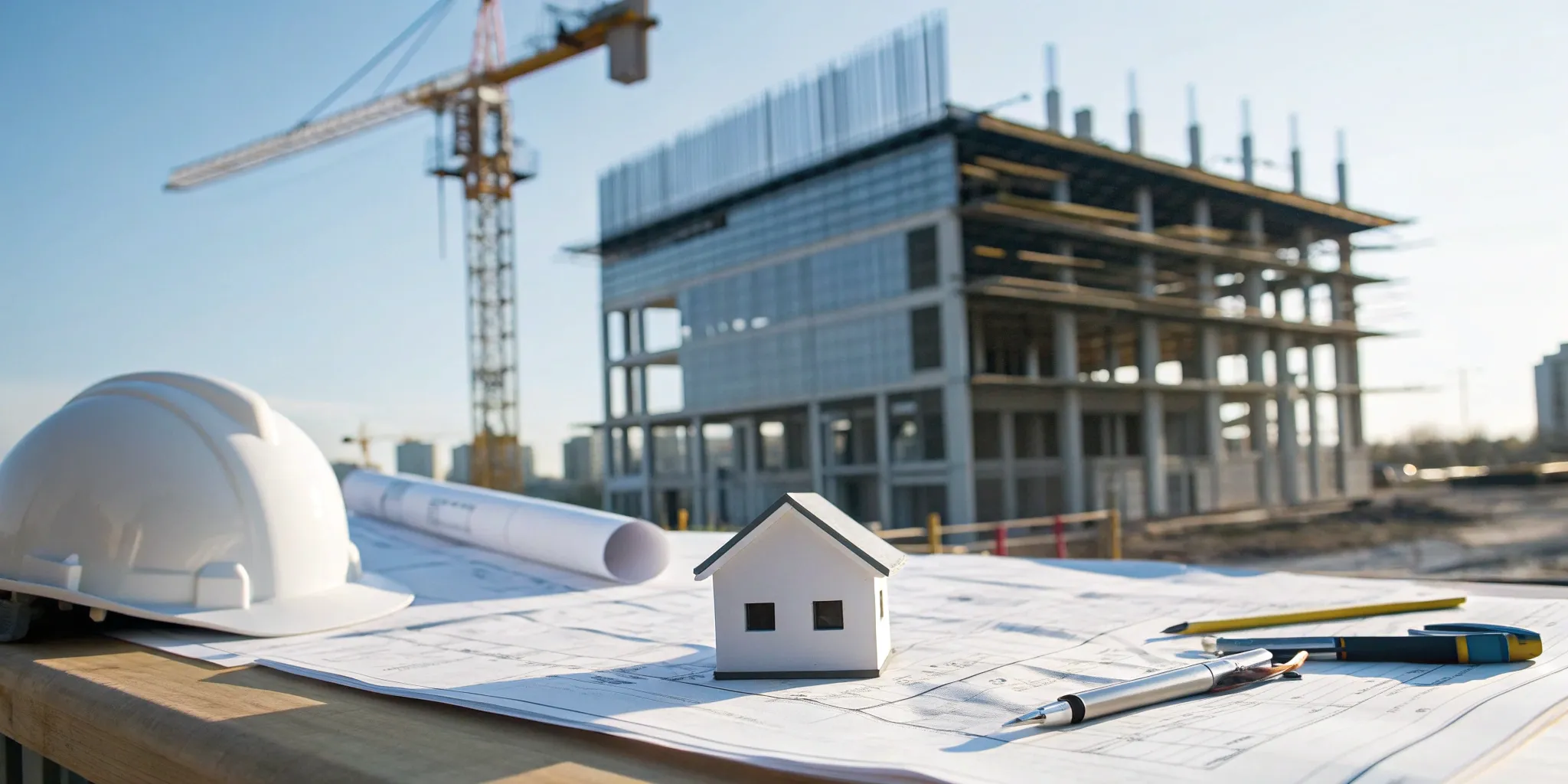
In commercial real estate, time is money. Every day your facility isn't operational is a day of lost revenue. The traditional construction process, with its separate design, bid, and build phases, is notoriously slow and sequential. It’s a relay race where the baton is often dropped. The design-build model changes the game by turning the process into a unified team effort. Because the design and construction phases can overlap, your project moves forward much faster. This accelerated timeline is a core benefit of design build commercial construction, reducing your carrying costs and getting your asset to market sooner, giving you a critical competitive edge in a fast-moving industry.
Key Takeaways
- Streamline Your Project for Faster Delivery and Cost Certainty: The design-build model merges design and construction, allowing for overlapping phases that shorten your timeline and provide clear cost estimates from the start, which helps prevent expensive change orders.
- Simplify Project Management with One Point of Contact: Instead of mediating between your architect and builder, you work with a single, unified team. This single-source accountability reduces your administrative burden and ensures everyone is focused on solutions, not conflicts.
- Your Project's Success Hinges on the Right Partner: Choosing a design-build firm isn't just about the bid; it's about finding a team with proven experience in your specific sector. Look for a strong portfolio and a commitment to transparent communication to ensure a successful partnership.
What is the Design-Build Model?
At its core, the design-build model is a construction approach where one team, under a single contract, handles your entire project from start to finish. Instead of hiring an architect to draw up plans and then separately finding a contractor to build them, you partner with a single firm that manages both the design and construction phases. This integrated method brings designers, engineers, and builders to the same table from day one, all working toward a unified goal.
Think of it as having one cohesive team responsible for the entire lifecycle of your project. This structure is built on collaboration and communication, breaking down the traditional silos that can cause friction and delays. Because the construction experts are involved during the design phase, they can provide real-time feedback on costs, materials, and scheduling. This early input helps create a more practical, budget-conscious, and buildable plan right from the start. For developers and investors, this means a more streamlined process, greater efficiency, and a single source of accountability for the project's success. It’s a holistic way of building that aligns everyone’s interests and focuses on delivering the final product seamlessly.
Design-Build vs. Traditional: What's the Difference?
The main difference lies in how the teams are structured and how you, the owner, interact with them. In the traditional Design-Bid-Build method, you manage at least two separate contracts: one with a designer and another with a builder. This often puts you in the position of mediating between two entities with potentially conflicting priorities, which can lead to delays and disputes.
Conversely, the Design-Build approach consolidates these roles. You have one contract with one firm that takes full responsibility for both designing and constructing your project. This ensures the designers and builders collaborate from the very beginning, working as a unified team. This integration minimizes the misunderstandings and communication gaps that can plague traditional projects, resulting in a smoother, more efficient process.
The Power of a Single Point of Contact
One of the most significant advantages of the design-build model is having a single point of contact. Instead of juggling calls, emails, and meetings with separate architectural and construction firms, you have one dedicated project lead who is your go-to for everything. This individual is responsible for coordinating the entire team and keeping you informed every step of the way.
This streamlined communication simplifies project management immensely. Whether you have a question about the budget, a design detail, or the construction timeline, you know exactly who to call. This turnkey service reduces your administrative burden and minimizes the risk of important details getting lost in translation. It fosters a true partnership, ensuring transparency and accountability from groundbreaking to final handover.
Why Choose Design-Build for Your Commercial Project?
When you’re managing a commercial development, the last thing you want is to get caught between your architect and your builder. The traditional construction model often creates separate silos, leading to communication gaps, budget surprises, and frustrating delays. The design-build approach flips that script. By uniting the design and construction phases under a single contract, you get one team working toward one goal: bringing your vision to life efficiently and effectively.
This integrated model isn’t just a different way of structuring contracts; it’s a fundamental shift in how a project unfolds. It fosters a collaborative environment from day one, where architects, engineers, and construction experts solve problems together. For developers and investors, this means more cost certainty, faster project delivery, and a smoother process from groundbreaking to grand opening. Instead of managing multiple contracts and mediating disputes, you can focus on the big picture while your unified team handles the details. It’s a smarter way to build, designed to deliver better commercial construction outcomes.
Stay on Budget and Control Costs
One of the biggest advantages of the design-build model is the financial transparency it provides. Because the construction team is involved from the earliest design stages, they can provide real-time cost feedback. This means the project is designed to your budget from the start, not engineered down the line after costs have already spiraled. The estimated cost is set early, which helps prevent expensive change orders and keeps the project on firm financial footing.
This collaborative approach also allows for value engineering to be integrated seamlessly. The team can identify cost-saving materials or methods without compromising quality, ensuring every dollar is spent effectively. With a single entity responsible for the entire project, you benefit from streamlined fees and a shared commitment to finding efficiencies, which ultimately protects your bottom line.
Finish Your Project on a Faster Timeline
In commercial real estate, time is money. The sooner your facility is operational, the sooner you can start generating revenue. Design-build is structured for speed. Since the design and construction phases can overlap, your project can move forward much faster. For example, site work and foundation pouring can begin while the final architectural details are still being refined. This parallel workflow eliminates the dead time that plagues traditional projects.
By removing the lengthy bidding process and fostering direct communication, the team can make decisions quickly and keep the project moving. This accelerated schedule reduces your carrying costs and gets your asset to market sooner, giving you a critical competitive edge. You can see examples of our efficiently delivered past projects in our portfolio.
Improve Communication and Team Collaboration
With a design-build project, you have a single point of contact responsible for everything. This simple change transforms project communication. You no longer have to act as the go-between for the design firm and the construction company. Instead, everyone is on the same team, working together from the initial concept. This unified structure means less confusion, clearer communication, and a more cohesive workflow.
When challenges arise—as they always do in construction—a collaborative team is focused on finding solutions, not assigning blame. Designers and builders are in constant dialogue, ensuring that the plans are both visionary and practical to build. This spirit of partnership extends to you as the owner, keeping you informed and involved without bogging you down in day-to-day conflicts.
Minimize Risk and Ensure High-Quality Results
In a traditional project, if a design flaw leads to a construction issue, the owner can get stuck in the middle of a dispute between the architect and the contractor. Design-build eliminates this risk entirely. The design-build firm assumes full responsibility for both the design and the construction, meaning any issues that come up are theirs to solve. This single source of accountability provides you with peace of mind and a clear line of responsibility.
This integrated approach also leads to higher-quality results. Because builders provide input during the design phase, the plans are vetted for constructability from the beginning. This early collaboration helps catch potential problems on paper, where they are easy and inexpensive to fix, rather than in the field. The result is a smoother construction process with fewer errors and a final product that meets your expectations for quality and durability.
Is Design-Build Right for Your Project Type?
The design-build model is incredibly versatile, but it truly shines in projects where speed, budget certainty, and collaboration are top priorities. If you’re a developer or investor, you know that time is money, and unforeseen challenges can derail even the most carefully planned project. Design-build directly addresses these pain points by creating a unified team from day one, fostering a problem-solving environment instead of a finger-pointing one. This single-source responsibility means your builder, architect, and key engineers are all working together with a shared goal: delivering your project successfully.
This integrated approach is particularly effective for complex commercial projects that benefit from having the construction and design teams at the same table from the very beginning. When builders can provide input on constructability and cost during the design phase, the entire project runs more smoothly. This early collaboration helps identify potential issues before they become expensive problems, leading to more innovative solutions and a higher-quality final product. Instead of waiting for fully-developed plans to get a cost estimate, you get real-time feedback that keeps the design aligned with your budget. Let’s look at a few specific sectors where this model makes a significant impact.
Warehouses and Industrial Facilities
For large-scale industrial projects like warehouses, distribution centers, and cold storage facilities, efficiency is everything. The design-build model excels here by creating a single, cohesive team responsible for the entire project. This structure allows for streamlined communication and efficiency throughout the construction process, which is critical when managing complex logistics and tight schedules. By having the design and construction experts collaborating from the start, you can optimize the layout for operational flow, integrate specialized equipment seamlessly, and value-engineer solutions that keep the project on budget without sacrificing functionality. This unified approach minimizes delays and ensures the final facility is ready for operation as quickly as possible.
Office Buildings and Corporate Spaces
When developing an office building, the goal is to create a space that is not only aesthetically pleasing but also highly functional for the tenants who will occupy it. The design-build method is ideal for this because it integrates both design and construction phases, ensuring that projects are completed efficiently and effectively. This collaboration allows the team to align on everything from the building’s core and shell to the specific interior fit-outs that modern businesses require. Early input from the construction team helps ensure that the architect’s vision is achievable within the budget and timeline, preventing costly redesigns down the road and delivering a high-quality corporate space that attracts and retains top-tier tenants.
Retail and Hospitality Projects
In the fast-paced retail and hospitality sectors, getting your doors open sooner directly translates to revenue. Speed-to-market is a key advantage of the design-build model. Because design and construction can happen at the same time, the method creates a compressed schedule that is especially attractive for projects with quick turnaround times. Whether it’s a new hotel, a restaurant, or a retail center, a single point of responsibility keeps the project moving forward without the typical delays caused by miscommunication between separate design and construction firms. This allows you to start welcoming customers and generating income much faster than with a traditional approach.
Multifamily Housing Developments
For multifamily developers, timely delivery is essential for market competitiveness and achieving a strong return on investment. The efficiency of design-build is a major advantage here, where projects can be completed significantly faster than with traditional methods. This accelerated timeline means you can begin leasing units and generating cash flow sooner. With one team managing both design and construction, it’s easier to standardize unit layouts, control material costs, and apply value engineering across the entire project. This integrated process helps keep the development on budget while ensuring the final product meets the quality standards that attract and retain long-term residents.
A Step-by-Step Look at the Design-Build Process
The design-build model streamlines construction by merging the design and building phases into a single, cohesive process. Instead of juggling separate contracts with architects and contractors, you work with one unified team from start to finish. This integrated approach fosters collaboration and accountability, turning a traditionally fragmented process into a seamless partnership. Let’s walk through the key stages to see how it all comes together.
Step 1: Assembling Your Team and Initial Planning
The first move is to select your design-build partner. This decision is about more than finding the lowest bid; it’s about finding a team whose expertise aligns with your project’s vision and goals. A qualified design-builder brings both design and construction professionals to the table from day one. This initial phase is dedicated to deep collaboration, where your team works to understand your objectives, budget, and timeline. By establishing a single source of responsibility early on, you create a foundation of trust and clear communication that will carry through the entire project.
Step 2: Pre-Construction and Defining Requirements
Once your team is in place, the pre-construction phase begins. This is where your vision starts to take shape. The design-build team works closely with you to define the project’s specific requirements, from your business objectives to your operational needs. This stage includes a thorough site assessment, feasibility studies, and initial cost modeling. By having construction experts involved during these early planning stages, you can identify potential challenges and opportunities for value engineering before significant resources are committed. This proactive approach ensures the project is planned for success from the ground up.
Step 3: Developing the Design Collaboratively
With a clear set of requirements, the design process kicks off in a truly collaborative environment. Architects and engineers work side-by-side with construction managers, who provide real-time feedback on cost, scheduling, and constructability. This continuous loop of communication ensures the design is not only innovative but also practical and budget-conscious. As the design evolves, your team can make informed decisions quickly, avoiding the costly and time-consuming redesigns that often plague traditional projects. This synergy is central to the design-build model’s efficiency and a key part of how we thrive on every project.
Step 4: Executing the Construction Phase
As the project moves from design to construction, the benefits of an integrated team become even more apparent. Your single point of contact manages all aspects of the build, ensuring a smooth flow of information and materials. Because the team that designed the project is also building it, there’s complete continuity and accountability. This structure allows for a more flexible and efficient schedule, as long-lead items can be procured and site work can begin even as final design details are being finalized. You can see the results of this streamlined execution in our diverse portfolio of projects.
Step 5: Finalizing and Handing Over the Project
The final step is more than just a handover; it’s a comprehensive transition. Upon completion, the design-build team ensures all systems are fully operational and provides you with complete project documentation. This includes as-built drawings, equipment warranties, and detailed maintenance schedules to help your team manage the new facility effectively. The goal is to deliver a high-quality building and ensure you are fully equipped to operate it from day one. This commitment to a smooth finish is what turns a construction project into a long-term asset for your business.
How to Choose the Right Design-Build Partner
Selecting your design-build partner is the single most important decision you'll make for your project. This isn't just about hiring a contractor; it's about finding a team that will act as your guide and advocate from the first sketch to the final walkthrough. The right partner brings more than just construction know-how—they bring a collaborative spirit, transparent processes, and a deep understanding of your specific goals. When you find a firm that aligns with your vision, you’re not just building a structure; you’re building a foundation for success.
The best partnerships are built on a shared understanding of what matters most. While cost is always a factor, true value comes from a team’s ability to deliver on time, on budget, and to the quality standards you expect. To find that ideal fit, you need to look closely at their track record, their communication style, and their commitment to excellence. Evaluating potential partners based on their direct experience, past work, financial health, and safety protocols will give you the confidence that you’re placing your project in the right hands.
Proven Experience in Your Sector
Every commercial sector has its own set of rules, challenges, and opportunities. A team that specializes in multifamily housing understands the nuances of residential amenities and unit layouts, while an industrial construction expert knows the specific demands of logistics and warehouse operations. That’s why it’s critical to choose a partner with proven experience in your specific project type. A firm that understands your industry can provide more accurate cost estimates, anticipate potential roadblocks, and offer innovative solutions that are tailored to your market. Their specialized knowledge of building codes, materials, and user expectations adds immense value and helps ensure your project is a long-term asset.
A Strong Portfolio of Past Projects
A portfolio is more than a gallery of finished buildings—it’s concrete proof of a firm's capabilities and quality of work. When reviewing a potential partner’s portfolio, look for projects that are similar in scale, complexity, and style to your own. This demonstrates that they have successfully managed the types of challenges your project will present. Don’t hesitate to ask for details about the projects that catch your eye. A great partner will be happy to discuss the timeline, budget, and any unique solutions they implemented. Seeing their finished work gives you a clear picture of their craftsmanship and attention to detail, helping you visualize what they can do for you.
Clear Communication and Financial Stability
A design-build project is a long-term relationship, and like any good relationship, it thrives on clear and consistent communication. Your partner should establish a straightforward communication plan from day one, with a single point of contact who keeps you informed and involved. This turnkey approach simplifies decision-making and ensures everyone is aligned. Just as important is the firm’s financial stability. You need a partner with the financial health to see your project through to completion without delays or complications. A stable, well-established firm provides peace of mind and is a reliable indicator of their professionalism and long-term viability.
A Commitment to Safety and Compliance
In the design-build model, your partner is responsible for both design and construction, which means they are fully accountable for site safety and regulatory compliance. A firm with a strong safety culture protects not only its workers but also your investment and reputation. Ask about their safety program, their track record, and their process for adhering to all local, state, and federal regulations. A partner who prioritizes safety and compliance demonstrates a commitment to quality and risk management. This focus ensures your project runs smoothly and mitigates potential liabilities, giving you one less thing to worry about.
Common Myths About Design-Build, Debunked
Like any approach that challenges the old way of doing things, the design-build model comes with its share of misconceptions. If you’re used to the traditional design-bid-build process, you might have heard a few things that give you pause. It’s smart to ask questions, but it’s also important to separate fact from fiction. Let’s clear the air and look at some of the most common myths about design-build so you can make a confident, informed decision for your next commercial project.
Myth: It Limits Design Options and Quality
A common concern is that by selecting a single team early on, you might miss out on a wider range of creative ideas. The reality is that design-build fosters a different, more integrated kind of creativity. Instead of a design being created in a vacuum and then handed off, your architect and builder work together from the very beginning. This collaboration means every design choice is grounded in practical, real-world buildability and budget constraints. This synergy often leads to more innovative and efficient solutions, ensuring the final project is both beautiful and functional without late-stage compromises.
Myth: You Lose Control Over the Budget
Handing over the reins for both design and construction to one firm can feel like you’re losing financial oversight. However, the design-build process actually gives you more cost certainty. Because the construction team is involved during the design phase, they can provide accurate cost estimates much earlier. This allows for continuous value engineering, where the team collaboratively finds the most cost-effective materials and methods to meet your goals. This transparency prevents the budget overruns and costly change orders that often plague traditional projects, keeping you firmly in control of the bottom line.
Myth: A Single Contact Point Is Risky
Putting all your eggs in one basket can seem risky, but in construction, it’s one of the biggest advantages. With a traditional model, when something goes wrong, the architect might blame the contractor, and the contractor might blame the architect. With design-build, there’s no finger-pointing. You have one team with a single source of responsibility, accountable for every aspect of the project, from the initial sketch to the final walkthrough. This streamlined accountability simplifies communication, reduces your risk, and ensures everyone is working together toward the same goal: a successful project delivered by a team you can trust.
Potential Challenges to Prepare For
While the design-build model offers incredible advantages in efficiency and collaboration, it’s helpful to know what to expect before you begin. Like any new approach, it comes with a learning curve. Understanding the potential shifts in process, communication, and risk management will set your team up for a smoother, more successful project from the start.
Think of these points not as roadblocks, but as areas where a little preparation goes a long way. A great design-build partner will guide you through each of these transitions, but having a clear picture of the journey ahead helps align everyone’s expectations. By anticipating these changes, you can fully leverage the strengths of the design-build method and ensure your project’s vision is realized without a hitch. The key is to embrace the collaborative nature of the process and communicate openly with your construction partner every step of the way.
Adapting to a New Process
If your team is accustomed to the traditional design-bid-build method, the integrated nature of design-build will feel different. Instead of a linear process where design is completed before a builder is chosen, everyone is at the table from day one. This requires a mental shift from working in separate phases to operating as one cohesive unit. Your team will need to get comfortable with designers, engineers, and contractors collaborating in real-time. This integrated method of construction eliminates the silos that often cause delays and miscommunication, but it does require an open mind and a willingness to adapt to a more dynamic workflow.
Adjusting Your Communication Style
In a design-build project, communication becomes more fluid and frequent. With a single point of contact managing both design and construction, you can say goodbye to playing telephone between the architect and the general contractor. This streamlined approach fosters better teamwork and faster decision-making. However, it also means your involvement as the owner is more consistent throughout the project, not just at major milestones. Your team should be prepared for a more collaborative dialogue where feedback is shared early and often, allowing for quick pivots and creative problem-solving that keeps the project moving forward efficiently.
Setting Clear Budget and Risk Expectations
Design-build provides excellent cost control by establishing a budget early in the process. The success of this, however, hinges on having clear project goals from the outset. Any ambiguity in the initial scope can create challenges down the line. It’s also important to understand that this delivery method involves a degree of shared risk between you and your construction partner. Unlike traditional models where risk is often passed from one party to another, design-build encourages a partnership approach to problem-solving. This requires a high level of trust and transparency, but it ultimately ensures that everyone is working toward the same goal: a successful, high-quality project delivered on time and on budget.
Design-Build vs. Traditional: Which is Right for You?
Choosing the right construction delivery method is one of the most critical decisions you'll make for your project. It impacts everything from your budget and timeline to the final quality of the building. The two most common paths are the traditional design-bid-build model and the integrated design-build approach. In the traditional route, you hire an architect to create a full set of plans and then solicit bids from multiple general contractors. It’s a linear, sequential process.
Design-build, on the other hand, brings the design and construction teams together under a single contract from the very beginning. This creates a unified team working toward a common goal, which can streamline communication and create major efficiencies. Neither approach is universally better than the other; the best fit depends entirely on your project’s complexity, your budget and schedule priorities, and how you prefer to manage the process. Let's break down when each approach shines so you can make an informed decision for your next development.
When to Choose Design-Build
Design-build is your best bet when speed and budget certainty are your top priorities. Because the design and construction phases overlap, you can often break ground much faster than with a traditional model. This integrated project delivery method means your builder is involved during the design phase, providing real-time cost feedback and value engineering suggestions that keep the project aligned with your budget. This collaborative approach is ideal for commercial projects like warehouses, multifamily housing, and storage facilities where efficient, repeatable designs can accelerate the path to profitability. If you want a single point of responsibility and a streamlined process that minimizes surprises, design-build is the way to go.
When a Traditional Approach is a Better Fit
The traditional design-bid-build model can be a better fit for projects with highly complex, specialized requirements or for public-sector work that mandates competitive bidding. If you need to have every single design detail finalized and approved before you even think about construction costs, this linear process provides that clear separation. This method gives you, the owner, a high degree of control over the design in isolation from construction concerns. It works well for unique, landmark-style buildings or facilities with very specific technical performance criteria where the design itself is the primary driver, and the budget and schedule are secondary to achieving that exact vision.
How to Make the Final Decision
To make the final call, take a hard look at your project’s core goals. Ask yourself what matters most: Is it getting the facility operational as quickly as possible to start generating revenue? If so, design-build’s speed is a major advantage. Is your primary concern hitting a strict, pre-defined budget? The cost-certainty of design-build is hard to beat. Or, is the project’s unique architectural vision non-negotiable, requiring a completed design before a builder gets involved? In that case, a traditional approach might serve you better. The best way to get clarity is to discuss your project with an experienced construction partner who can help you weigh the pros and cons for your specific situation.
Setting Your Design-Build Project Up for Success
The design-build model streamlines commercial construction by integrating the design and building phases under one contract. This unified approach naturally creates efficiencies, but the project's ultimate success still hinges on laying the right groundwork. When the owner and the design-build team are aligned from the very beginning, you create a powerful partnership that can handle challenges, stick to the plan, and deliver exceptional results. By focusing on clear goals, a realistic financial plan, and a foundation of trust, you can ensure your project runs smoothly from groundbreaking to final handover.
Define Your Project Goals and Scope Upfront
Before a single line is drawn, it’s crucial to define what success looks like for your project. This goes beyond the basic specs; it’s about clarifying your operational needs, aesthetic vision, and long-term business objectives. Working with your design-build partner early helps you identify potential problems before they become costly delays. A collaborative kickoff ensures everyone understands the must-haves versus the nice-to-haves, allowing the team to make smart, informed decisions. This initial alignment on the project’s scope is the blueprint for everything that follows, ensuring the final building truly meets your commercial construction needs.
Establish a Realistic Budget and Timeline
One of the biggest advantages of design-build is cost certainty. Because the design and construction teams collaborate from day one, they can provide more accurate cost estimates and create a schedule that holds up. The budget is established early in the process, which helps prevent overruns down the line. This isn't just about setting a number; it's about value engineering and finding the most efficient way to achieve your goals within your financial framework. A transparent process allows you to see exactly where your money is going, giving you the confidence to start your project on solid financial footing.
Build a Partnership Based on Trust
Design-build is fundamentally a team sport. When the owner, designers, and builders all work together from the start, you create a unified team focused on a shared goal. This single-team structure reduces the confusion and finger-pointing that can plague traditional construction models, fostering better teamwork and open communication. Trust is the glue that holds this partnership together. You need a partner who is transparent, communicates clearly, and is committed to your vision. This collaborative spirit, built on a foundation of trust, is what turns a good project into a great one and builds lasting professional relationships.
Related Articles
Frequently Asked Questions
Does the design-build model cost more than the traditional approach? Not usually. While the initial proposal might seem different from a low-bid contract, design-build focuses on providing a more reliable final cost. Because the construction team is involved from the very beginning, they can provide real-time cost feedback during the design phase. This allows the team to find efficiencies and make smart material choices that align with your budget from the start, which helps prevent the expensive change orders and budget overruns that are common in traditional projects.
Will I have less creative control over my project's design? You'll find you have a different, more collaborative kind of control. Instead of approving a design and hoping it can be built on budget, you are part of the conversation from day one. Your vision guides the entire process, and the integrated team works together to find the best way to bring it to life within your practical constraints. This ensures the final design is not only what you envisioned but is also functional, buildable, and financially sound.
How is a firm budget established so early in the process? The budget is developed collaboratively during the pre-construction phase. Once your project goals are clearly defined, the entire team—designers, estimators, and construction managers—works together to create a design that meets those goals. They provide continuous cost feedback as the plans develop, allowing you to make informed decisions along the way. This process aligns the design with the budget from the start, rather than designing something first and trying to make the numbers work later.
What happens if there's a disagreement between the design and construction sides of the team? This is one of the biggest strengths of the design-build model. Since everyone works for a single company under one contract, there is no finger-pointing. The team is unified by a shared responsibility to find a solution, not to assign blame. Any issues are resolved internally, and your single point of contact is responsible for keeping the project moving forward smoothly.
Is design-build only for large, complex projects? Not at all. While it’s incredibly effective for complex developments, the principles of efficiency, collaboration, and accountability benefit projects of all sizes. The model is especially valuable for any project where speed-to-market and budget certainty are critical drivers. Whether it's a straightforward warehouse or a multi-story housing development, the streamlined communication and integrated workflow can deliver significant value.