Top Data Center Construction Companies to Know
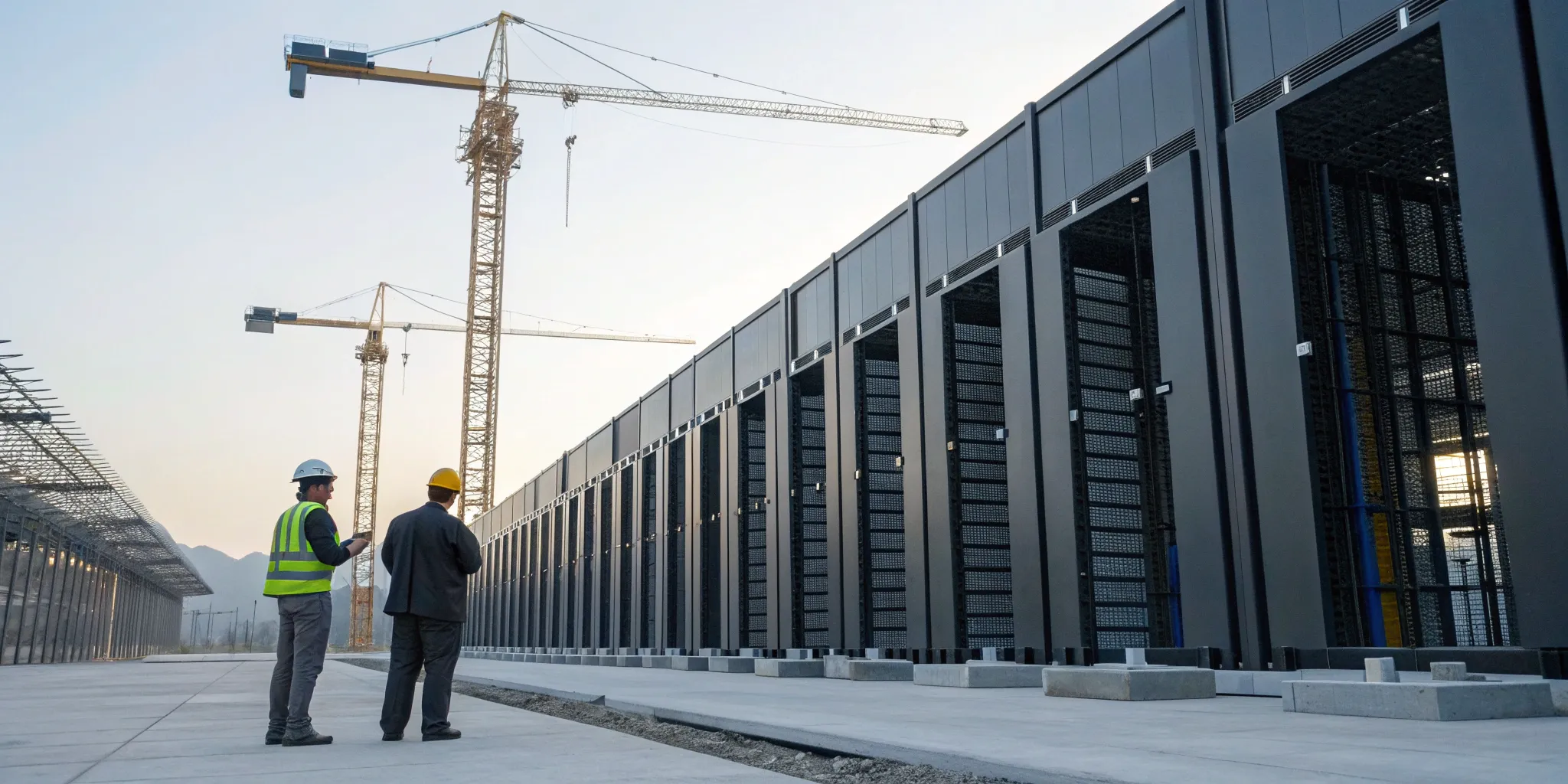
The term "cloud" suggests something intangible and weightless, but the reality is grounded in concrete, steel, and miles of fiber optic cable. The digital world lives inside highly secure, power-intensive fortresses designed for one purpose: to keep data safe and accessible 24/7. Building these facilities is one of the most complex challenges in the construction industry. It requires a unique blend of engineering precision and project management muscle. The specialized firms that take on this work, data center construction companies, operate at the intersection of technology and infrastructure. They are responsible for creating the physical foundation of our digital economy. In this article, we’ll explore what makes their job so unique, the key players in the industry, and what it truly takes to build the backbone of the internet.
Key Takeaways
- Your Partner's Expertise Defines Your Project's Success: A data center isn't just another building; it's a mission-critical facility. Choose a construction partner with a proven portfolio in managing complex power, cooling, and security systems to ensure your investment is reliable and secure from day one.
- Proactive Planning is Your Best Defense Against Delays: The biggest threats to your timeline and budget are supply chain issues, labor shortages, and permitting hurdles. A seasoned builder mitigates these risks by leveraging strong industry relationships and deep regulatory knowledge, keeping your project on track.
- Build for Tomorrow's Demands to Maximize Long-Term Value: The most profitable data centers are designed for scalability and efficiency. Prioritize a forward-thinking approach that includes modular construction, sustainable practices, and readiness for future tech to create a competitive and valuable asset.
What Is a Data Center Construction Company?
At its core, a data center construction company is a specialized builder that creates the physical structures housing our digital world. Think of them as the master architects and engineers for the backbone of the internet. These firms don't just build warehouses; they construct highly complex, secure, and resilient facilities designed to house servers, data storage drives, and networking equipment. From initial site selection and design to complex electrical and cooling systems, these companies manage every phase of bringing a data center to life. Their work is the foundation that allows businesses and consumers to access information seamlessly and securely.
The Role They Play in Our Digital World
Every time you stream a video, access a cloud application, or join a video call, you’re connecting to a data center. These facilities are the engines of modern life, and specialized construction companies are the ones who build them. As Data Centre Magazine notes, "Data centers are super important for our digital world. They store all the information that powers online activities, cloud services, and other digital tools." These builders construct everything from massive hyperscale facilities for major tech giants to smaller, specialized centers for industries like finance and healthcare, ensuring the digital infrastructure we rely on is always running.
Why They're Essential for Modern Business
The explosive growth of artificial intelligence, cloud computing, and the Internet of Things (IoT) is fueling an unprecedented demand for data processing and storage. This makes data centers absolutely essential for modern business operations. These facilities are considered "mission-critical," which means they must be incredibly robust, reliable, and secure to handle the immense demands of new technologies. For developers and investors, this translates into a growing asset class that requires a construction partner with deep technical expertise. A data center builder ensures a facility can deliver the uninterrupted uptime and security that businesses depend on to compete and innovate.
Core Services of a Data Center Builder
Building a data center isn't like constructing a typical commercial building. These facilities are the backbone of our digital infrastructure, requiring a unique blend of engineering precision, project management expertise, and forward-thinking design. A specialized data center construction company provides end-to-end solutions that go far beyond pouring concrete and raising walls. They are partners in creating highly resilient, secure, and efficient environments that can support mission-critical operations 24/7. From initial site selection to final commissioning, their comprehensive construction services ensure every detail is meticulously planned and executed to meet the highest industry standards. Understanding these core services is the first step in finding the right builder for your project.
Design and Engineering
The foundation of any successful data center project is a robust design and engineering phase. This is where the blueprint for the entire facility is created. Top-tier builders bring together a team of architects, engineers, and consultants to map out everything from the structural layout to the intricate power and cooling systems. As global leaders like AECOM have shown, this initial stage involves detailed planning to ensure the facility is not only functional but also aligned with environmental and social goals. The focus is on creating a resilient, scalable, and efficient design that can adapt to future technological demands while optimizing performance from day one.
Project Management and Delivery
Once the design is finalized, expert project management is what brings the vision to life. For mission-critical facilities like data centers, speed-to-market is often a primary driver. Companies like DPR Construction excel by delivering complex projects quickly without sacrificing quality or transparency. An experienced general contractor manages every aspect of the build, from coordinating subcontractors to overseeing timelines and budgets. They act as the central point of communication, ensuring stakeholders are informed and that the project stays on track. This hands-on approach is crucial for navigating challenges and delivering a fully operational facility on schedule.
Sustainable and Energy-Efficient Solutions
Data centers are massive consumers of energy, making sustainability a critical consideration for both environmental impact and long-term operational costs. Modern builders are integrating innovative, energy-efficient solutions into their designs. This includes advanced cooling systems, smart grid integration for real-time energy management, and the use of modular data center designs that allow for more scalable and efficient expansion. The goal is to create a facility that minimizes its carbon footprint while maximizing power usage effectiveness (PUE), leading to significant cost savings over the building's lifespan.
Ongoing Maintenance and Support
A data center builder’s job doesn’t end when construction is complete. These are dynamic environments that require continuous oversight to maintain peak performance and reliability. Implementing and maintaining efficient power distribution and cooling systems is essential for ensuring optimal operating conditions and preventing costly downtime. Many top construction partners offer ongoing maintenance and support services to help owners manage their facilities effectively. This ensures the critical infrastructure remains resilient and continues to support data processing needs long after the initial build is finished, protecting your investment for years to come.
Meet the Leading Data Center Construction Companies
The data center construction landscape is filled with highly specialized firms, each bringing unique strengths to the table. From global giants to nimble experts, knowing the key players helps you understand what to look for in a partner. Here’s a look at some of the top companies shaping the industry.
Pillars of Seven
At Pillars of Seven, we understand that getting a data center online quickly is a top priority for our clients. Speed to market can’t come at the expense of precision, which is why our approach is grounded in meticulous planning and control. We implement robust systems to monitor every construction factor, ensuring your project is sequenced and scheduled correctly from day one. Our team thrives on managing the complex details that define mission-critical facilities, delivering the efficiency and reliability your investment deserves. We focus on being a true partner, guiding developers and investors through every phase to build a facility that meets today’s demands and is ready for tomorrow’s growth.
DPR Construction
As one of the largest and most recognized data center contractors in the country, DPR Construction has built a strong reputation for its work on mission-critical facilities. The company is known for its focus on getting projects to market quickly without sacrificing transparency on costs and timelines. Their portfolio is extensive, showcasing a deep understanding of the technical requirements needed to build high-performance data centers. For developers looking for a seasoned builder with a track record of delivering large-scale projects efficiently, DPR is a name that consistently comes up. Their mission-critical work highlights their capability in this specialized sector.
Turner Construction
Turner Construction Company is a global powerhouse with a significant presence in the data center market. They are known for their ability to handle complex, large-scale projects, delivering facilities that are not only robust but also designed for future expansion. Clients often turn to Turner for their proven ability to manage projects on time and within budget, even with intricate technical specifications. Their worldwide experience gives them a broad perspective on industry best practices and innovations, making them a reliable choice for institutional partners and developers with ambitious, multi-location rollouts.
HITT Contracting
A major player among general contractors in the U.S., HITT Contracting has carved out a niche in building secure and technologically advanced data centers. Their teams are recognized for their ability to deliver these critical facilities on accelerated schedules, a key advantage in a market where demand is constantly surging. HITT emphasizes a collaborative approach, working closely with clients to meet stringent security protocols and operational requirements. Their focus on both speed and security makes them a strong contender for companies that need to get their infrastructure up and running without compromising on protection.
Skanska USA
For clients prioritizing sustainability, Skanska is a leading name in the construction world. As a global company, they have made significant commitments to green building practices, including ambitious goals to reduce emissions and use low-carbon materials in their projects. This focus on sustainability extends to their data center construction, where they integrate energy-saving solutions to reduce long-term operational costs. Developers and investors with ESG mandates or a focus on creating environmentally responsible assets often find Skanska’s approach to building aligns perfectly with their goals.
Other Key Players in the Industry
The data center construction field includes many other impressive firms. Companies like AECOM, Whiting-Turner Contracting Company, and Jacobs Solutions are also major forces, each with distinct specializations. AECOM and Jacobs are known for their deep technical and professional services, offering comprehensive engineering and design solutions for highly complex projects. Meanwhile, Whiting-Turner has a long history of successfully delivering large-scale construction projects across various sectors, including the mission-critical space. Together, these companies contribute to a competitive and innovative market, pushing the boundaries of what’s possible in data center development.
What Makes Building a Data Center Unique?
Constructing a data center is fundamentally different from any other commercial building project. While a warehouse or an office building is designed for people and products, a data center is a purpose-built fortress designed for data. These facilities are the backbone of our digital world, and their construction requires a level of precision, resilience, and technical expertise that goes far beyond typical standards. Every decision, from site selection to the type of cooling system installed, is driven by the need for uninterrupted operation, making the entire process a high-stakes endeavor for developers and investors.
The entire project centers on creating a controlled environment where thousands of servers can run 24/7 without fail. This involves integrating complex power and cooling systems, implementing multi-layered security protocols, and ensuring the structure can support immense equipment loads. Unlike other projects where aesthetics or human comfort might be a priority, a data center’s success is measured by its uptime, efficiency, and security. This shift in priorities impacts everything from the initial design to the final commissioning. Understanding these core differences is the first step in appreciating the unique challenges and requirements of bringing one of these critical facilities to life.
Mission-Critical Infrastructure Standards
For a data center, "mission-critical" means that failure is not an option. These facilities are designed for near-perfect reliability, as even a few seconds of downtime can result in millions of dollars in losses for the businesses that depend on them. To achieve this, reliable back-up power is critical. The facility’s design is guided by a tier classification system that dictates the required level of redundancy. A higher tier means more backup systems and independent power distribution paths, ensuring continuous operation even if a primary component fails. This commitment to uptime influences every aspect of construction, from redundant power sources like generators and UPS systems to sophisticated cooling infrastructure that prevents servers from overheating.
Specialized Technical Demands
The technical requirements for a data center are immense. These buildings consume massive amounts of electricity and generate a tremendous amount of heat, demanding highly specialized mechanical and electrical systems. The challenge is that there's no one-size-fits-all strategy; each facility needs a custom solution based on its specific load and performance goals. This includes designing high-density power distribution networks, precision cooling systems that maintain exact temperature and humidity levels, and robust fiber optic connectivity. The structural engineering is also unique, as floors must be designed to support the immense weight of server racks, power distribution units, and cooling equipment. It’s a complex puzzle of power, cooling, and connectivity that requires deep engineering expertise.
Strict Compliance and Security Requirements
Data centers house sensitive, valuable information, making security a top priority from day one. Physical security is a key part of their design, involving multiple layers of protection that often include perimeter fencing, vehicle traps, 24/7 monitoring, and biometric access control at every entry point. The goal is to create a secure environment that protects against both physical and digital threats. Beyond physical security, these facilities must be built to meet stringent industry compliance standards like SOC 2, ISO 27001, and HIPAA, which govern how data is managed and protected. Balancing these intense security needs with operational efficiency and budget constraints is a constant consideration throughout the design and construction process.
Common Challenges in Data Center Construction
Building a data center isn't like any other construction project. These facilities are the backbone of our digital infrastructure, and they come with a unique set of high-stakes challenges. From securing specialized equipment to meeting stringent energy standards, the path from groundbreaking to go-live is filled with potential roadblocks. Understanding these common hurdles is the first step in planning a successful project and choosing a construction partner who can effectively manage them.
Supply Chain and Material Hurdles
The specialized components needed for a data center—like generators, cooling systems, and high-density power distribution units—aren't available off the shelf. Recent global disruptions have put immense strain on suppliers, leading to long lead times and unpredictable delays. For developers and investors, this uncertainty can derail project timelines and inflate budgets. A proactive construction partner mitigates this by leveraging strong supplier relationships, planning procurement far in advance, and identifying alternative materials or equipment without compromising performance. This strategic approach is essential to keeping the project on track.
The Skilled Labor Shortage
Data centers require a highly specialized workforce. You need electricians who understand mission-critical power systems and mechanical teams experienced with sophisticated cooling solutions. Unfortunately, staffing shortages for these skilled trades are a major issue across the construction industry, and the impact is magnified on complex projects like data centers. This shortage can lead to delays, quality control issues, and increased labor costs. Partnering with a general contractor who has a deep network of vetted, experienced subcontractors is non-negotiable. They can secure the right teams early, ensuring your facility is built to the highest standards without compromising the schedule.
Complex Permitting Processes
Getting the necessary permits for a data center is often a long and complicated process. These facilities have massive power and water requirements, which invites intense scrutiny from local authorities. The timeline for building a critical component like a substation can vary dramatically based on the project's complexity and specific local permitting requirements. An experienced construction partner can make all the difference here. They understand the nuances of zoning laws, environmental impact studies, and utility negotiations, allowing them to prepare thorough applications and anticipate potential hurdles before they cause costly delays.
Meeting Sustainability Regulations
The demand for green data centers is growing, driven by both corporate responsibility goals and government mandates. Meeting today's sustainability regulations is a critical challenge, requiring a deep understanding of energy-efficient design, cooling technologies, and power sources. This includes everything from achieving a low Power Usage Effectiveness (PUE) ratio to incorporating renewable energy. While managing these standards can be complex, the result is a more efficient, cost-effective facility in the long run. A forward-thinking builder will help you design a data center that not only complies with current rules but is also prepared for future environmental standards.
How to Choose the Right Data Center Construction Partner
Selecting a construction partner for your data center is one of the most critical decisions you'll make. This isn't just about finding a builder; it's about finding a team that understands the mission-critical nature of these facilities. The right partner will guide you through complex technical requirements, manage budgets and timelines effectively, and deliver a facility built for long-term performance and scalability. To ensure you make the right choice, focus on a few key areas that separate the experts from the rest.
Assess Their Experience and Technical Expertise
When you’re building a facility that is the backbone of modern business, experience is non-negotiable. You need a construction partner with a proven track record in this highly specialized field. Look for a firm that can show you a portfolio of completed projects similar in scope and complexity to yours. Ask them about their team’s specific expertise in data center infrastructure, including power distribution, cooling systems, and security protocols. A seasoned partner will not only understand the technical nuances but will also anticipate challenges before they become costly problems, ensuring your facility is reliable from day one.
Verify Their Financial Stability and Project Management Skills
A data center project is a significant investment, and you need a partner with the financial health to see it through to completion. A financially stable firm is better equipped to handle unexpected costs and manage long-term projects without compromising quality. Equally important are their project management skills. The best builders demonstrate a deep understanding of the current challenges in data center construction, from supply chain logistics to labor availability. Ask potential partners how they manage schedules, communicate progress, and creatively solve problems to keep your project on track and within budget.
Review Their Approach to Sustainability and Innovation
The future of data center development is green. A partner committed to sustainability can significantly reduce your long-term operational costs and help you meet regulatory requirements. Inquire about their experience with energy-efficient designs, like advanced cooling solutions, and their use of innovative methods like modular construction to improve scalability. A forward-thinking builder will integrate sustainable practices into every phase of the project, from site selection to material sourcing. This focus not only benefits the environment but also enhances the long-term value and viability of your investment.
Check Their Compliance Record and Certifications
Data centers operate under a strict set of industry standards and regulations. Your construction partner must have an impeccable compliance record and a thorough understanding of the necessary certifications, such as those from the Uptime Institute. A strong reputation within the industry often points to a builder’s commitment to safety, quality, and adherence to these critical standards. Don’t hesitate to ask about their safety ratings, quality control processes, and experience building facilities designed to meet specific compliance levels. This diligence ensures your data center will be secure, reliable, and ready for operation.
Key Trends Shaping Data Center Construction
The data center industry is constantly evolving, driven by the world’s insatiable demand for data. For developers, investors, and property owners, staying ahead of these shifts is crucial for building facilities that are not just functional today but also profitable and relevant for years to come. Understanding these key trends will help you partner with a construction firm that can deliver a future-proof asset. From how we build to where we build, the landscape is changing, creating new opportunities for efficient, sustainable, and powerful data infrastructure.
The Rise of Modular and Prefabricated Methods
Speed to market is everything in the data center world. That’s why modular and prefabricated construction methods are gaining so much traction. Instead of building everything from the ground up on-site, this approach involves manufacturing components—like power modules, cooling units, or even entire data halls—in a controlled factory environment. These finished sections are then transported to the site for assembly. This process significantly shortens project timelines, improves quality control, and reduces on-site labor needs. For developers, this means a faster path to revenue and greater budget certainty. It also allows for easier integration of new power sources, like distributed renewable energy solutions, to support facilities without relying on traditional grids.
The Growing Demand for Edge Computing
The need for instant data processing for technologies like 5G, IoT, and AI is driving the growth of edge computing. Instead of sending all data to a massive, centralized cloud facility, edge data centers process it closer to the end-user. This shift is creating demand for smaller, more distributed data centers in suburban and even urban locations. For real estate developers, this opens up a new class of assets that can be built on smaller parcels of land. These projects often face fewer zoning challenges than hyperscale facilities, giving developers a chance to get communities on board and reduce the risk of objections or delays during public hearings.
Integrating Automation and Advanced Technology
Modern construction sites are becoming more technologically advanced, and data center projects are leading the way. General contractors are using tools like Building Information Modeling (BIM) to create precise digital twins of a facility before breaking ground, catching potential conflicts early. Drones are used for site surveys and progress monitoring, while automation is helping to streamline repetitive tasks. These technologies are critical for managing complex projects and mitigating issues like supply chain struggles that can cause significant delays. For investors, partnering with a builder who leverages this tech means better predictability, higher quality, and a more efficient construction process from start to finish.
A Stronger Focus on Green Building Practices
Sustainability is no longer an afterthought in data center design; it’s a core requirement. With data centers consuming enormous amounts of energy and water, there is immense pressure from regulators, customers, and investors to build and operate them responsibly. This trend involves everything from designing highly efficient cooling systems and using recycled materials to powering facilities with renewable energy. While the initial investment can be higher, the long-term benefits are clear. Green building practices help lower operational costs and make the asset more attractive to top-tier tenants who have their own corporate sustainability goals to meet.
Planning Your Data Center Project: What to Consider
A successful data center project begins long before the first shovel hits the ground. This initial planning phase is the foundation for a facility that meets your needs today and can adapt for tomorrow. Getting these early decisions right helps you stay on schedule, control costs, and avoid surprises down the road. A construction partner with deep expertise in this sector can guide you through these critical early stages, turning your vision into a detailed, actionable plan. Let's break down the key areas you'll need to address from the very start.
Choosing the Right Site and Location
Finding the right piece of land is about much more than acreage and price. For a data center, the site's infrastructure is what truly matters. Key factors like power availability, fiber connectivity, and physical security are non-negotiable. You need access to a robust power grid, ideally with redundant sources, to ensure uninterrupted operation. Similarly, high-speed fiber optic access from multiple providers is essential for the reliable connectivity your clients depend on. Don't forget practical considerations like water access for cooling systems and local zoning regulations that could impact your build. A thorough site selection process prevents costly roadblocks later on.
Defining Your Timeline and Budget
Data center construction is a major undertaking with a timeline and budget to match. Setting realistic expectations from the start is crucial for success. Timelines can be affected by everything from supply chain delays for specialized equipment to the local permitting process. For example, if your site requires a new electrical substation, that alone can add significant time to your schedule. Your budget should account for not only the initial build but also long-term operational costs. Working with a general contractor who understands these variables helps you develop a clear and predictable financial roadmap for your commercial development project.
Planning for Technology and Future Growth
The technology inside your data center will evolve, so your building needs to be ready for it. Planning for future growth means designing a facility that is both flexible and scalable. This approach allows you to add capacity—more servers, power, and cooling—with minimal disruption to your ongoing operations. It’s also smart to think about future power sources. As sustainability becomes more important, many developers are integrating renewable energy solutions to create more efficient and resilient facilities. Building with an eye toward the future ensures your investment remains valuable and competitive for years to come.
Related Articles
- Pillars of Seven
- Pillars of Seven
- Pillars of Seven
- About Us
- Houston Construction Management | Pillars of Seven
Frequently Asked Questions
My company develops industrial warehouses. How different is building a data center, really? That’s a great question because it gets to the heart of the matter. While both are large structures, a data center is less like a building and more like a complex machine. The primary focus shifts from storing goods to ensuring uninterrupted power, cooling, and connectivity for sensitive IT equipment. The electrical and mechanical systems are far more sophisticated, requiring redundant power sources and precision climate control. Plus, the security requirements, from physical barriers to biometric access, are on a completely different level than a typical warehouse.
What's the most important first step when planning a new data center? Before you even think about a blueprint, focus on site selection. The success of your entire project hinges on finding a location with robust and redundant power and fiber infrastructure. Access to a reliable power grid and high-speed connectivity from multiple providers is non-negotiable. Getting this right from the start saves you from incredibly expensive and time-consuming challenges down the road.
Is building a 'green' or sustainable data center actually worth the higher initial cost? It absolutely is, and it’s becoming less of a choice and more of a necessity. While some sustainable technologies might require a larger upfront investment, they lead to significant long-term savings on operational costs, especially energy consumption. A more efficient facility is more profitable. It also makes your project far more attractive to top-tier tenants and investors who have their own corporate sustainability mandates to meet.
What's a realistic timeline for a data center construction project? The timeline can vary significantly based on the project's scale and complexity. A key factor that often surprises developers is the lead time for major electrical infrastructure, like getting a new substation approved and built by the local utility, which can take a year or more. Securing specialized equipment like generators and cooling systems also requires long lead times. A good construction partner will help you map out these critical paths early to create a realistic schedule.
How can I be sure a construction partner truly has mission-critical experience? Look past the sales pitch and ask to see their portfolio of completed data center projects. Talk to them about the specific challenges they faced and how they solved them. A truly experienced partner will speak fluently about power redundancy, cooling efficiency, security protocols, and the tier classification system. They should be able to walk you through their project management and quality control processes for ensuring the kind of reliability that mission-critical facilities demand.