Building Design and Construction: A Step-by-Step Guide
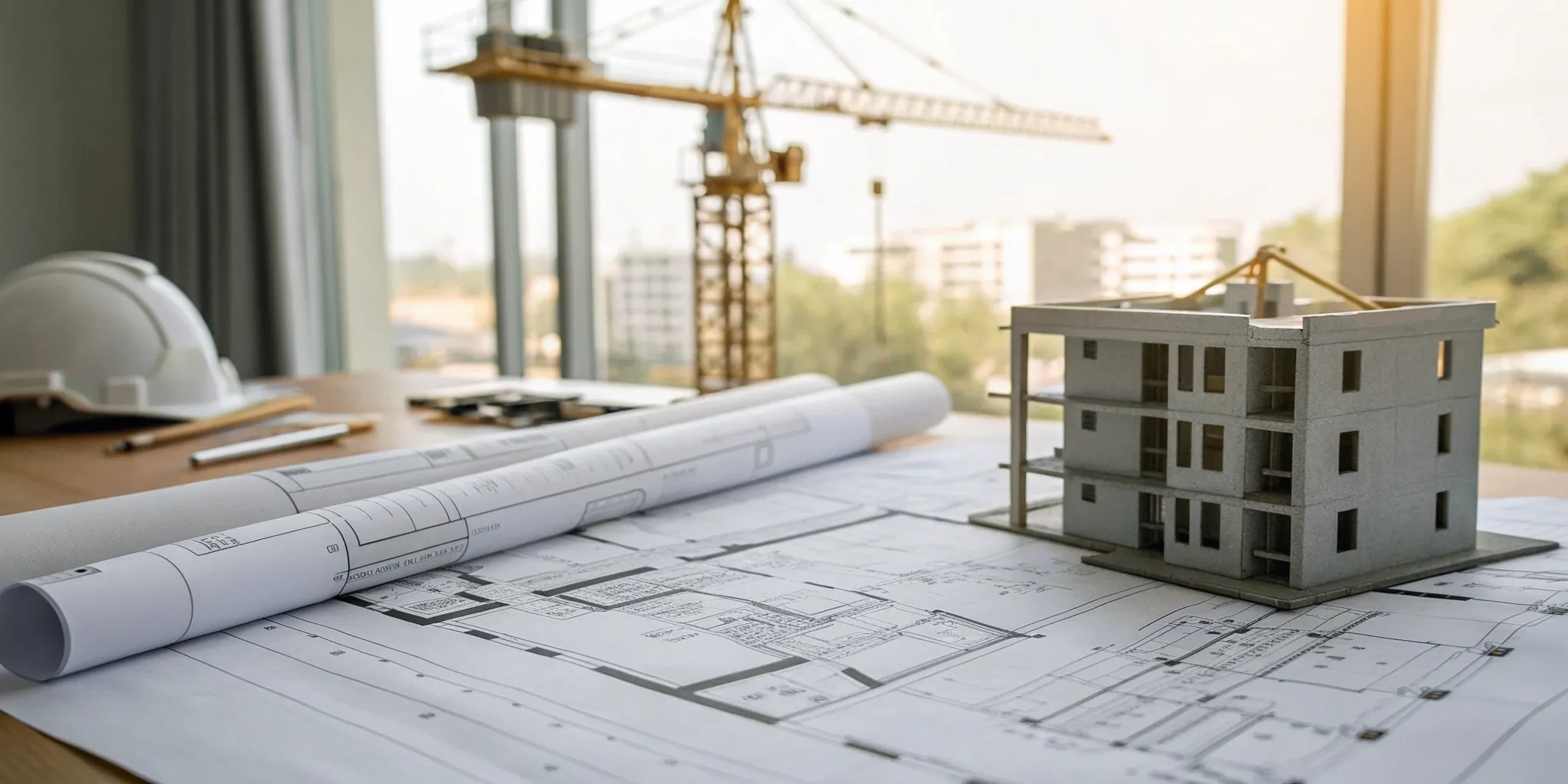
A successful development is built on more than just concrete and steel; it’s built on collaboration. The final structure is the direct result of how well architects, engineers, and contractors work together. When this team is in sync, projects run smoothly. When they’re not, you face delays, budget overruns, and endless headaches. Understanding the roles, responsibilities, and communication strategies that define a high-performing team is crucial for any investor or developer. The entire process of building design and construction is a team sport. In this guide, we’ll introduce the key players and explore how the right project structure can foster the synergy needed to deliver exceptional results.
Key Takeaways
- Unify Your Team from Day One: The most successful projects integrate design and construction into a single, collaborative process. Choosing a unified approach like design-build eliminates the finger-pointing between separate architects and builders, leading to faster timelines and better cost control.
- Prioritize Pre-Construction Planning: Your project's success is determined long before you break ground. A thorough pre-construction phase—where you define clear goals, perform risk assessments, and establish a detailed budget—is the most effective strategy for preventing costly surprises and ensuring a predictable outcome.
- Match Your Delivery Method to Your Goals: The structure you choose for your project team (like design-build, CMAR, or design-bid-build) directly impacts your control over cost, schedule, and design. Select the method that best aligns with your top priorities to create a clear path to success.
What Are Building Design and Construction?
At its core, every successful build comes down to two key phases: design and construction. Think of it as the blueprint and the build-out. Building design is the strategic process of planning and creating the specifications for a structure. It’s where architecture, engineering, and technology come together to map out a project that is functional, safe, and aligns with your vision. This is the stage where we answer the big questions about how a space will be used, what it will look like, and how it will stand the test of time.
Once the design is finalized and approved, the construction phase begins. This is the tangible process of bringing the blueprints to life. It involves everything from site preparation and financing to the physical assembly of the structure, managed through careful planning and execution. While they are distinct phases, the most successful projects don't treat them as separate silos. Instead, they are two parts of a single, cohesive process. When the design team and the construction team work in lockstep from the very beginning, you create a seamless workflow that anticipates challenges, identifies opportunities for efficiency, and ultimately delivers a better final product. This integrated approach is central to our comprehensive construction services.
Design vs. Construction: What's the Difference?
The main difference between design and construction lies in how the teams are structured and when they get involved. In the traditional "design-bid-build" model, you would first hire an architect or designer to create a complete set of plans. Once those plans are finished, you put the project out to bid and select a separate general contractor to build it. This can create a disconnect, as the team executing the work had no input during the planning phase. When issues arise on-site, it can lead to finger-pointing between the designer and the builder, causing delays and budget overruns.
A more modern approach is the design-build method. Here, one unified team manages the project from initial concept to final completion. This single entity is responsible for both the design and construction, creating a single point of contact for you. This structure fosters collaboration from day one, ensuring the design is practical, buildable, and aligned with your budget from the start.
Why an Integrated Approach Matters
Choosing an integrated approach like design-build isn't just about convenience; it directly impacts your bottom line and project timeline. With one team responsible for the entire project, communication is streamlined and accountability is clear. This collaborative environment allows for value engineering to happen organically during the design phase, not as a last-minute fix to cut costs. The construction experts can provide real-time feedback on material choices and building methods, ensuring the design is as efficient and cost-effective as possible.
This synergy pays off. Studies have shown that design-build projects are often completed significantly faster and at a lower cost than those using the traditional design-bid-build method. By eliminating the conflicts that can arise between separate design and construction firms, you minimize the risk of costly disputes and delays. The result is a smoother, more predictable process that delivers a high-quality building on time and on budget.
What Are the Stages of Building Design?
Turning a vision for a commercial or multifamily property into a physical structure is a process with several distinct stages. The design process isn't a single event but a series of carefully planned steps that move a project from a high-level idea to a set of precise instructions for construction. Each stage builds on the last, ensuring every detail is considered before the first shovel hits the ground. For developers and investors, understanding these phases helps align everyone on the project team, making for a smoother, more predictable build from start to finish. This structured approach is the foundation of any successful development, preventing miscommunication and costly changes down the line.
From Idea to Concept
Every great building starts with an idea. The conceptual phase is where you and your architect collaborate to define the project's core vision and purpose. This is the time for big-picture thinking and brainstorming. What is the building’s primary function? Who will use it? What are the must-have features and the overall feeling you want to create? This initial stage translates your goals into a foundational concept that guides all future decisions. It’s less about specific measurements and more about establishing the project's direction, scope, and character. Getting this part right ensures everyone is working toward the same outcome from day one.
Developing the Schematic Design
Once the core concept is set, the schematic design phase gives it shape and form. Here, the architect develops rough sketches and initial floor plans that show the relationships between spaces and the basic layout of the building. Think of it as creating the first real blueprint of your idea. This is where you’ll see how rooms connect, how the building sits on the site, and what the exterior might look like. This phase is highly collaborative, providing the first tangible visuals for you to review and refine. It’s the perfect time to give feedback and make adjustments before the design gets locked in, ensuring the layout aligns perfectly with your operational needs.
Refining the Details
With the schematic design approved, the project moves into design development. This is where the plan gets fleshed out with specific details. Your architect and engineers will work together to select materials, define structural systems, and specify mechanical, electrical, and plumbing components. Decisions made here have a direct impact on the project's budget, timeline, and long-term performance. This is also where our team’s expertise in value engineering can identify opportunities to optimize costs without sacrificing quality. By the end of this stage, the project has a highly detailed and coordinated design that’s nearly ready for construction.
Creating Construction-Ready Documents
The final step in the design process is creating the construction documents. This is a comprehensive set of drawings and technical specifications that serve as the instruction manual for the build team. These documents are incredibly detailed, covering everything from exact measurements and material types to installation methods and quality standards. They are the legal and technical foundation of the project, forming a critical part of the contract with your general contractor. Clear, accurate, and complete construction documents are essential for getting precise bids, securing permits, and preventing costly errors or delays on site. Once these are complete, you’re ready to start your project and move into the construction phase.
What Are the Phases of Construction?
Once the design is finalized, the project moves from paper to the physical site. The construction process is a highly coordinated sequence of events, broken down into distinct phases. Each stage builds upon the last, requiring careful management to ensure the project stays on schedule and within budget. From breaking ground to the final walkthrough, this is where your vision starts to take shape. Understanding these phases helps you track progress and know what to expect as your development comes to life.
Pre-Construction and Planning
This is the critical groundwork phase where we set the project up for success. Before any dirt is moved, your construction partner finalizes the budget, creates a detailed schedule, and secures all necessary permits. This stage also involves site analysis, risk assessment, and value engineering to optimize costs without sacrificing quality. For many projects, a design-build approach is used, where a single team handles both design and construction. This integrated method streamlines communication and decision-making from the very beginning, ensuring the plans are practical, buildable, and aligned with your financial goals.
Building the Foundation and Structure
With the plans and permits in place, physical work begins. This phase starts with site preparation, excavation, and pouring the concrete foundation that will support the entire building. From there, the structural skeleton—whether it's steel, concrete, or wood—is erected. This is often the most dramatic phase, as the building's form quickly becomes visible. Having one point of contact during this stage is invaluable. It helps prevent the classic arguments between designers and builders that can cause costly delays, keeping the project moving forward smoothly and efficiently as you watch your project take shape.
Installing Key Building Systems
After the main structure is up and enclosed, the focus shifts to the building's essential systems. This is when crews install the complex network of plumbing, electrical wiring, and HVAC (heating, ventilation, and air conditioning) systems. Fire protection, security, and data lines are also routed throughout the structure. This phase is an opportunity to integrate modern, efficient solutions. The construction industry is increasingly adopting green building methods and materials to create more sustainable and cost-effective properties. Integrating these systems correctly is crucial for the building's long-term performance and operational efficiency.
Applying the Finishing Touches
The final phase is all about details. Interior and exterior finishes are applied, turning the raw structure into a functional and inviting space. This includes installing drywall, painting, laying flooring, and fitting out rooms with cabinetry, fixtures, and lighting. On the outside, crews complete the facade, roofing, and landscaping. This stage is where thoughtful design truly shines, creating environments that are not just aesthetically pleasing but also tailored to the people who will use them. The goal is to hand over a polished, move-in-ready building that meets every one of your expectations.
Who Is on Your Project Team?
Bringing a commercial or multifamily project to life requires a team of dedicated experts, each with a specific and crucial role. Think of it like a symphony orchestra—every instrument must be played with precision for the final piece to sound right. From the initial sketch to the final inspection, your project’s success depends on the seamless collaboration between these key players. Understanding who does what helps you assemble the right team and ensures everyone is working toward the same goal.
Architects and Designers
Architects and designers are the visionaries of your project. They translate your ideas into a tangible plan, focusing on the building's overall aesthetic and functional layout. They create the initial designs and blueprints, making sure the structure not only looks great but also serves the needs of its future occupants. A key part of their job is to ensure the building design aligns with local regulations and community standards from the very beginning. They set the stage for everything that follows, creating a roadmap that the entire team will use to bring your vision to reality.
Engineers and Specialists
While architects shape the vision, engineers make it work. This group includes specialists who handle the technical backbone of the building, like structural, electrical, and mechanical systems. They are the problem-solvers who figure out how to support the structure, power the lights, and keep the environment comfortable and safe. Their expertise is what transforms a beautiful design into a functional, efficient, and resilient building. Without their precise calculations and technical oversight, even the most stunning architectural plans would remain just that—plans on paper.
General Contractors and Construction Managers
This is where the vision becomes a physical reality. As your general contractor, our role at Pillars of Seven is to manage the entire construction process from the ground up. We take the architect's plans and the engineer's specifications and turn them into a finished building. This involves hiring and coordinating subcontractors, sourcing materials, and ensuring the project stays on schedule and within budget. A great construction manager is the central point of contact, solving problems on-site and making sure every detail is executed to the highest standard.
Compliance and Regulatory Experts
Navigating the web of local building codes and regulations is a full-time job, and that’s where compliance experts come in. These professionals, sometimes called building surveyors, ensure every part of your project meets legal requirements. They are essential for securing the necessary permits before work begins and for coordinating inspections at critical stages of construction. Their diligence protects your investment by preventing costly delays, fines, or the need for rework. Think of them as your project's safeguard, ensuring everything is built correctly and by the book.
How Great Teams Collaborate on a Build
A successful construction project is more than just concrete and steel; it’s the result of a team working in sync. When architects, engineers, and builders collaborate effectively, projects run smoother, stay on schedule, and stick to the budget. This synergy doesn’t happen by accident. It’s built on a foundation of smart project structures, clear communication channels, and modern technology that keeps everyone on the same page. For developers and investors, understanding what this collaboration looks like is key to choosing a partner who can deliver results without the headaches. A truly integrated team anticipates challenges, solves problems proactively, and turns a complex process into a predictable and successful outcome.
Design-Build vs. Traditional Methods
The way your team is structured has a huge impact on collaboration. In the traditional "design-bid-build" model, you hire a designer first, then send the plans out for bids from separate contractors. This can create a disconnect, with designers and builders sometimes pointing fingers when issues arise.
A more streamlined approach is design-build, where one team handles the entire project from design through construction. With a single contract and one point of contact, communication is simplified and accountability is clear. This integrated method fosters teamwork from day one, allowing for faster problem-solving and a more efficient timeline. It aligns everyone toward the same goal: delivering a high-quality project that meets your vision and budget.
Establishing Clear Communication
Effective communication is the lifeblood of any construction project. Without it, details get missed, schedules slip, and costs can spiral. Great teams establish a clear communication plan from the very beginning. This includes setting up regular meetings, defining roles and responsibilities, and designating a primary point of contact for all stakeholders. This ensures that everyone—from the investor to the on-site foreman—is working with the same information. When your general contractor prioritizes transparent and consistent updates, you can have confidence that your project is progressing as planned and that any potential issues will be addressed quickly and efficiently.
Using Technology to Streamline Work
Today’s top construction teams use technology to work smarter, not just harder. Project management software keeps timelines, documents, and communications organized in one central place, accessible to the entire team. Advanced tools like Building Information Modeling (BIM) create detailed 3D models of the project, allowing teams to identify and resolve potential conflicts before breaking ground. Some firms even use virtual reality (VR) simulations to let stakeholders walk through a digital version of the building. This tech-forward approach improves accuracy, reduces rework, and provides a clear view of the final product, ensuring our projects are built right the first time.
How to Keep Your Project on Time and On Budget
Finishing a project on schedule and within budget isn’t a matter of luck—it’s the result of careful planning, proactive management, and a commitment to clear communication. For developers and investors, these two factors are the ultimate measures of a project’s success. A skilled construction partner doesn’t just execute a plan; they actively manage it, anticipating challenges and finding efficiencies every step of the way. By focusing on a few key strategies, you can maintain control over your project’s timeline and finances from groundbreaking to final walkthrough. These methods aren’t secrets, but they require discipline and expertise to implement effectively, turning potential setbacks into opportunities for smart problem-solving.
Optimizing Costs with Value Engineering
Value engineering is a systematic way to get the most out of every dollar spent without compromising the quality or function of your final building. It involves a deep analysis of materials, systems, and designs to find more cost-effective alternatives that deliver the same performance. For example, your team might identify a different type of insulation with the same R-value for a lower price or suggest a structural change that reduces material waste. This isn’t about cutting corners; it’s about making strategic substitutions that protect your budget and enhance the long-term value of the asset. A proactive general contractor will bring these ideas to the table, helping you make informed decisions that optimize project costs from the very beginning.
Tracking Milestones and Progress
A detailed project plan is your roadmap, but milestones are the signposts that tell you if you’re on the right path. Breaking the project down into clear, measurable stages—from foundation work to MEP (mechanical, electrical, and plumbing) installation—is essential for staying on schedule. These milestones should be tied to specific deadlines and tracked consistently. Regular progress reports and site meetings ensure everyone on the team is aligned and accountable. This transparency allows you to spot potential delays early and make necessary adjustments before they have a domino effect on the entire timeline. It transforms the schedule from a static document into a dynamic management tool that keeps your project moving forward.
Planning for Risks and Contingencies
Every construction project comes with its share of unknowns, from unexpected soil conditions to supply chain disruptions. The key is to anticipate potential issues and create a solid contingency plan. A thorough risk assessment during the pre-construction phase helps identify what could go wrong so you can prepare for it. This involves setting aside a contingency fund in your budget and building some flexibility into your schedule. By planning for risks, you can address challenges head-on with a clear strategy instead of reacting in crisis mode. This foresight protects your budget from unforeseen expenses and keeps the project on a predictable path, giving investors and stakeholders confidence.
Identifying Problems Early
The most expensive problems are the ones discovered after construction is already underway. Identifying potential issues during the design and planning phases is crucial for saving time and money. When the entire team—architects, engineers, and construction managers—collaborates from the start, you can catch design clashes or constructability issues before they ever reach the field. This integrated approach, often seen in the design-build model, ensures that the plans are not only visionary but also practical and efficient to build. Finding a conflict on a blueprint can be fixed with a few clicks; fixing it on-site can cause significant delays and cost overruns. Early collaboration is one of the best investments you can make in your project’s success.
Common Project Challenges to Prepare For
Every construction project, no matter how meticulously planned, will face its share of hurdles. The difference between a successful build and a stressful one often comes down to foresight and preparation. Anticipating potential issues allows your team to create solid contingency plans and solve problems before they can derail your timeline or budget. A seasoned construction partner doesn't just follow blueprints; they anticipate challenges and manage them proactively.
Understanding the most common obstacles in commercial and multifamily construction is the first step. From handling the maze of municipal permits to managing the small changes that can lead to significant cost overruns, awareness is your best defense. The key is to work with a team that has seen it all before and has proven processes for handling the unexpected. By preparing for these challenges together, you can protect your investment and ensure your project’s vision is realized smoothly and efficiently. Our experience across a diverse portfolio of projects has equipped us to handle these complexities with confidence.
Meeting Permitting and Compliance Rules
Getting through the web of permits and regulations can feel like a full-time job. Every municipality has its own set of rules, and for multifamily or commercial properties, legal compliance is a major hurdle that can cause significant delays if not handled correctly. An experienced general contractor understands the local landscape and can manage the entire permitting process, from initial applications to final inspections. This expertise ensures all work meets current building codes and zoning laws, preventing costly fines and stop-work orders that could jeopardize your project schedule.
Managing Scope Creep and Cost Overruns
Scope creep—the slow expansion of project requirements—is one of the quickest ways to blow your budget. It often starts with small, seemingly harmless changes that add up over time. The best way to prevent this is to establish a clear, detailed project scope and a realistic budget from day one. A transparent change order process is also critical, ensuring that any adjustments are formally reviewed, approved, and documented. Your construction partner should help you define project goals and use disciplined project accounting practices to keep everything on track, ensuring there are no financial surprises along the way.
Maintaining Quality and Safety
Your project's long-term success depends on the quality of its construction and the safety of the site where it’s built. Unfortunately, some teams may be tempted to take shortcuts to save time or cut costs, leading to future structural issues and liability risks. A commitment to quality means using the right materials, adhering to the highest standards of workmanship, and implementing rigorous quality control checks at every stage. Similarly, a robust safety program, following guidelines from organizations like OSHA, is non-negotiable. It protects workers and ensures your project is built responsibly from the ground up.
Dealing with Site and Weather Variables
Even the most detailed plans can’t account for everything hidden underground or brewing in the sky. Unforeseen site conditions, such as poor soil quality or unmarked utility lines, can require immediate and costly solutions. Likewise, severe weather can bring work to a halt for days or even weeks. An experienced construction team prepares for these variables by building contingency time and funds into the project plan. This foresight allows them to adapt quickly, resequence tasks, and implement solutions that keep the project moving forward with minimal disruption to the overall schedule and budget.
Key Trends in Building Design and Construction
The construction industry is always evolving, and staying ahead of the curve means understanding the tools and techniques that deliver better, faster, and more cost-effective results. These aren't just buzzwords; they are practical shifts in how modern buildings are designed and built. For developers and investors, embracing these trends can mean the difference between a good project and a great one. Here are four key developments shaping the future of construction.
Sustainable and Green Building
This is about more than just being eco-friendly; it’s about building smarter. Sustainable and green building practices focus on creating highly efficient, healthier spaces for occupants. This means using environmentally friendly materials, designing for optimal energy performance, and minimizing the building’s carbon footprint from day one. For property owners, the benefits are tangible: lower long-term operating costs, higher tenant satisfaction, and increased property value. As demand for eco-friendly commercial spaces grows, integrating sustainability is becoming a standard for forward-thinking developments.
Smart Technology and Automation
Technology is transforming construction sites from manual labor hubs into highly efficient, data-driven environments. Tools like Artificial Intelligence (AI), robotics, and drones are no longer concepts from the future—they are actively improving project accuracy and speed. For instance, AI can optimize schedules and resource allocation, while drones provide real-time site monitoring. This level of construction automation helps catch potential issues early, reduces waste, and keeps the project moving forward smoothly. It’s all about using technology to streamline operations and deliver more predictable, high-quality outcomes.
Modular and Prefabricated Construction
Imagine building large sections of your project in a controlled factory setting, protected from weather delays and site constraints. That’s the core idea behind modular and prefabricated construction. Components, or "modules," are built off-site and then transported for final assembly. This approach significantly speeds up project timelines, reduces on-site waste, and can lead to substantial cost savings. For multifamily housing, hospitality, or storage facilities, modular methods offer a powerful way to get to market faster without compromising on quality, making it an increasingly popular choice for developers focused on efficiency.
Integrating Building Information Modeling (BIM)
Think of Building Information Modeling (BIM) as the ultimate digital blueprint for your project. It goes far beyond a simple 2D drawing by creating a detailed 3D model that contains layers of information about every component of the building. This allows architects, engineers, and contractors to collaborate within a single, shared environment. Before any ground is broken, the entire team can use the model to identify potential clashes, refine designs, and plan the construction sequence. Using BIM technology is one of the most effective ways to reduce errors, avoid costly rework, and ensure everyone is aligned from start to finish.
How to Choose the Right Project Delivery Method
Selecting the right project delivery method is one of the most critical decisions you'll make. It sets the foundation for how your team collaborates, how risks are managed, and how your project moves from concept to completion. Think of it as the operating system for your build—it defines the relationships between the owner, designer, and contractor. Each method has its own strengths, and the best choice depends entirely on your project's specific goals, budget, and timeline.
The Advantages of Design-Build
The design-build model streamlines your project by bringing both design and construction services under a single contract. Instead of juggling separate architects and contractors, you have one dedicated team and one point of contact responsible for the entire project. This integrated approach fosters better collaboration from day one, which can lead to significant benefits. Studies have shown that design-build projects are often completed faster and at a lower cost than those using traditional methods. With a single entity accountable for the outcome, you can reduce administrative burdens and minimize the risk of costly disputes between the design and construction teams. This makes it an excellent choice for clients who prioritize speed, efficiency, and cost certainty.
When to Consider Design-Bid-Build
Design-bid-build is the more traditional route. In this linear process, you first hire an architect or designer to complete the design plans. Once the drawings are 100% finished, you solicit bids from multiple general contractors and select one to build the project. This method provides a clear separation between the design and construction phases, which can be ideal for projects where a highly specific aesthetic vision is the top priority. If you want to maintain firm control over every design detail and are less concerned about a fast-tracked schedule, design-bid-build might be the right fit. It’s often used for public projects that require transparent bidding or for unique private developments where the design cannot be compromised.
Understanding Construction Management at-Risk
Construction Management at-Risk, or CMAR, offers a blend of collaboration and cost control. In this model, you hire a construction manager to act as a consultant during the design phase, providing input on constructability, scheduling, and budget. Once the design is sufficiently complete, the construction manager provides a Guaranteed Maximum Price (GMP) to complete the project. This gives you cost predictability early on while benefiting from the builder’s expertise during design development. The CMAR method is a great middle-ground, fostering the teamwork of an integrated approach while maintaining separate contracts for the designer and the construction manager. It’s a strong option for complex projects where early cost analysis is crucial.
Setting Your Project Up for Success
A successful construction project doesn’t happen by accident. It’s the result of intentional planning and clear communication long before the first shovel hits the dirt. By establishing a solid foundation in the pre-construction phase, you create a clear path forward, align your partners, and protect your investment. This initial work is what separates a smooth, predictable build from one filled with costly surprises and delays. It’s about defining what you want to achieve and then putting the right people, contracts, and plans in place to make it happen.
Define Your Project Goals
Before you can build anything, you need a crystal-clear vision of the final product and what it needs to accomplish. This means setting goals that are specific, measurable, and realistic. Think beyond just "a new multifamily complex" and get into the details. How many units? What’s the target rent? What amenities are non-negotiable? A great way to frame this is by using the SMART goals framework. Defining these objectives upfront ensures everyone—from the architect to the general contractor—is working toward the same outcome, making decisions that support your ultimate business case.
Select Your Team and Finalize Contracts
Your project is only as strong as the team you assemble. You’re not just hiring contractors; you’re choosing partners who will guide your vision to completion. Look for a team with proven experience in your specific project type, whether it's commercial storage or a hospitality build. An integrated approach like design-build can be incredibly effective, as it brings the design and construction teams together under one contract. This fosters collaboration from day one, streamlines communication, and helps identify potential issues before they become expensive problems. Once you’ve selected your partners, ensure your contracts clearly outline the scope, responsibilities, and expectations for everyone involved.
Develop Your Timeline and Budget
A detailed timeline and a realistic budget are the twin pillars of project management. Your timeline should be more than just a final deadline; it needs clear, trackable milestones for each phase of the project. This allows you to monitor progress and address potential delays before they cascade. Similarly, your budget needs to be comprehensive, accounting for everything from materials and labor to permits and contingencies. Proactively managing your finances and avoiding scope creep are essential for keeping your project on budget. A good construction partner will work with you to develop these foundational documents and use them to keep the project on track.
Frequently Asked Questions
What’s the real difference between design-build and the traditional approach? The biggest difference comes down to teamwork and accountability. In a traditional model, you hire a designer and a builder separately, and they don't always work together until late in the game. With design-build, you hire one unified team that is responsible for everything from the initial sketch to the final nail. This means there's no finger-pointing if a problem comes up; everyone is on the same team, working toward the same goal from day one.
How early should I involve a general contractor in my project? The sooner, the better. Bringing a construction expert into the conversation during the early design stages is one of the smartest moves you can make. They can provide immediate feedback on the cost and practicality of the design ideas, helping you avoid expensive and time-consuming revisions down the road. This early collaboration ensures your project is designed to be built efficiently and within your budget from the very beginning.
Is "value engineering" just a fancy term for cutting corners? Not at all. True value engineering isn't about finding the cheapest materials or sacrificing quality. It's about smart problem-solving. It means analyzing every part of the project to find more efficient or innovative ways to achieve the same goal. This could involve suggesting a different structural system that saves time or a more durable material that lowers long-term maintenance costs, ultimately giving you a better building for your investment.
My biggest concern is going over budget. What's the best way to prevent that? Preventing budget overruns starts with a solid plan and clear communication. The most effective strategy is to establish a detailed and realistic budget during the pre-construction phase, with a clear process for handling any changes. Working with an integrated team that can accurately price the project during the design phase is also crucial. This proactive approach, combined with a contingency fund for true unknowns, is the best defense against unexpected costs.
What's the first step I should take if I have a property or project idea? The very first step is to define your vision and goals as clearly as possible. Think about the purpose of the building, who will use it, and what success looks like for you. Once you have a solid idea of what you want to achieve, the next step is to consult with an experienced construction partner. A brief conversation can help you understand the project's feasibility and outline the next steps to bring your vision to life.