Choosing the Right Austin Construction Company
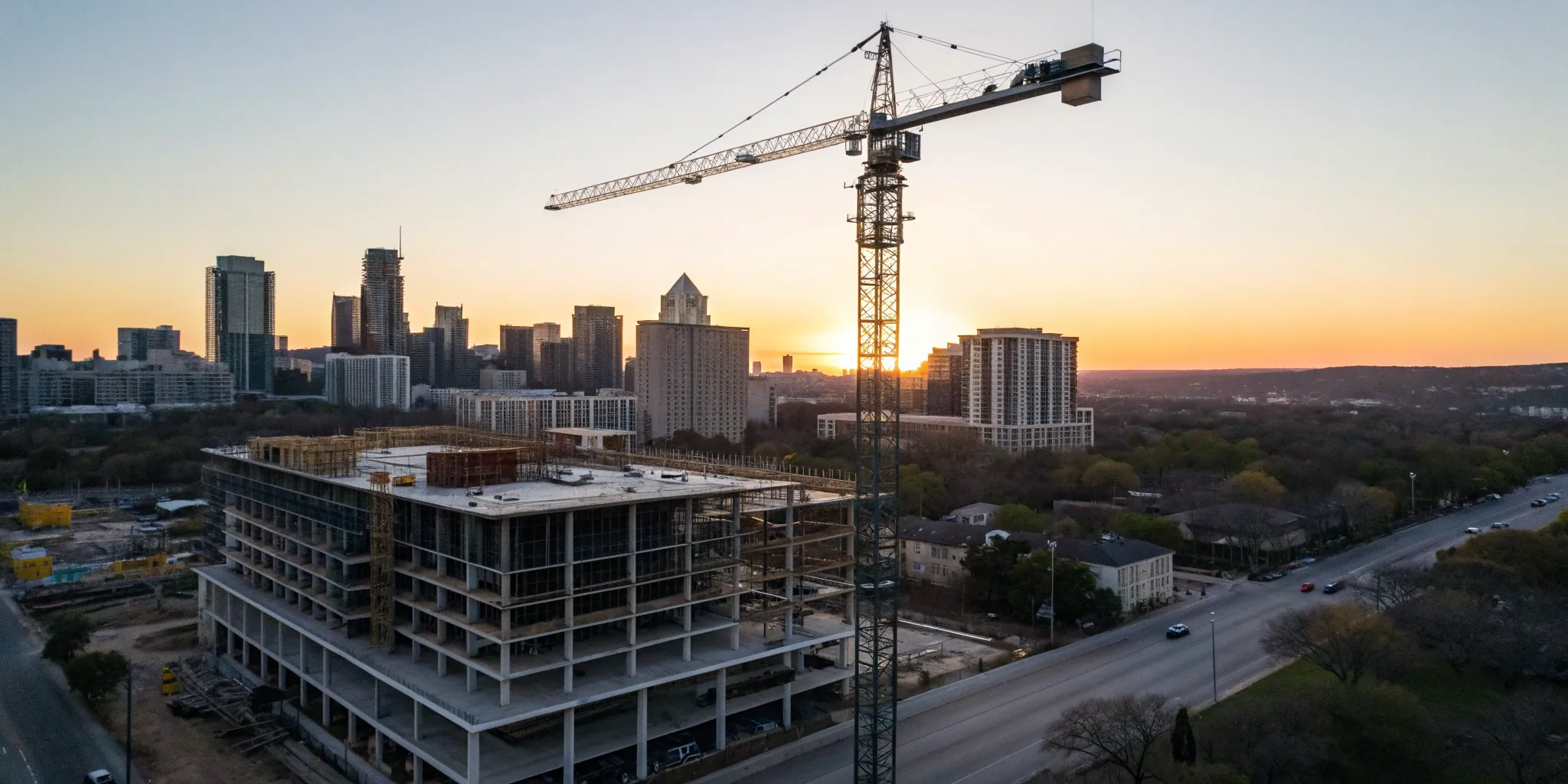
Austin’s growth is undeniable, making it one of the most exciting places to build in the country. But this boom also creates a challenging environment for developers, with rising costs, high demand for labor, and a crowded field of builders. To succeed here, you need a partner who has deep roots and a true understanding of the local market. A general contractor with on-the-ground experience can anticipate permitting timelines, leverage local supplier relationships, and manage the unique complexities of building in this city. This guide is your resource for cutting through the noise and finding a top-tier Austin construction company equipped to deliver in this dynamic market.
Key Takeaways
- Focus on value, not just the lowest bid: The right price reflects a realistic understanding of your project's scope and delivers long-term quality, not just initial savings.
- Confirm their expertise matches your project type: A contractor's success with similar projects—whether multifamily, industrial, or commercial—is the best indicator of how they'll perform on yours.
- Choose a true partner, not just a builder: A successful project relies on clear communication and a collaborative spirit, so select a team that is invested in your goals and transparent in their process.
What Defines a Top Austin Construction Company?
With so many construction companies in Austin, it can be tough to tell which ones truly deliver. When you’re investing significant capital into a project, you need more than a builder; you need a partner who guarantees a smooth process and a high-quality outcome. The best firms stand out by excelling in a few key areas. They don’t just build structures—they build trust. For developers and investors, identifying these top-tier qualities is the first step toward a successful project.
Core Expertise and Specializations
A top-tier construction company has a clear focus. Instead of being a jack-of-all-trades, they build deep expertise in specific sectors. For example, a large firm like Austin Industries operates through distinct companies for commercial, industrial, and infrastructure projects, ensuring every team is specialized. This focus means they understand the unique challenges of your industry, whether it’s multifamily housing or industrial facilities. When a contractor has mastered a niche, they bring invaluable foresight and efficiency to the table. Look for a firm whose capabilities align directly with your project goals.
A Proven Track Record
Experience isn't just about years in business; it's about a history of successful project delivery. Longevity often signals stability—firms like The Austin Company have been providing services for over 145 years. A strong track record shows a company can handle market fluctuations and complex builds without compromising results. When evaluating a potential partner, review their portfolio of completed projects. Do they have a history of finishing on time and on budget? A proven history of success is the best indicator of what you can expect for your project.
Commitment to Quality and Safety
A premier general contractor prioritizes the well-being of their team and the integrity of your investment. This is reflected in a stellar safety record and an unwavering dedication to quality craftsmanship. Leading companies often receive national recognition for their safety programs, like Austin Industries, which won six national safety awards in a single year. This focus on safety minimizes risks for everyone involved. Similarly, a dedication to quality, like that of the award-winning Beck Group, ensures the final product is not only built to code but built to last. A company that values its people and its work is a more reliable partner.
Meet Pillars of Seven: A Leader in Austin Commercial Construction
When you’re looking for a general contractor in Austin, you need a partner who understands the local landscape and has the technical skill to match your vision. Pillars of Seven has built a strong reputation by consistently delivering high-quality commercial projects across the city and beyond. With a foundation in engineering and over a decade of hands-on experience, their team is known for bringing complex developments to life, from modern multifamily communities to large-scale industrial facilities.
What sets them apart is a deep commitment to client success. For developers and investors, this translates into a construction process that prioritizes clear communication, budget adherence, and schedule integrity. They operate as a true partner, focused on solving problems and finding efficiencies from day one. This means you get a team that’s as invested in the outcome as you are, providing transparent updates and proactive solutions throughout the build. Whether you're breaking ground on a new storage facility or developing a mixed-use property, their team has the specialized knowledge to guide your project from initial concept to final delivery. Their extensive portfolio showcases a range of successful projects that meet the demands of a competitive market.
Expertise in Commercial and Multifamily Housing
Pillars of Seven is a go-to choice for developers focused on creating modern living and working spaces. Their team has extensive experience in the commercial and multifamily housing sectors, where quality and innovation are key. They understand that these projects aren't just about structures; they're about building communities and functional environments where people thrive. This expertise ensures that every detail, from site planning to final finishes, is handled with precision. For property owners and investors, this means delivering a final product that attracts tenants and holds long-term value in Austin’s dynamic real estate market.
Specializing in Storage and Industrial Facilities
Beyond commercial and residential projects, Pillars of Seven has carved out a niche in constructing storage and industrial facilities. These projects come with unique requirements, from specific load-bearing capacities to complex logistical workflows, and demand a builder who gets the details right. The team’s focused capabilities in this area mean they can provide tailored solutions that enhance operational efficiency for businesses. They know how to build durable, functional, and secure facilities that meet the specific needs of industrial clients, ensuring your investment is built to perform from the moment it opens.
Smarter Building with Design-Build and Value Engineering
Pillars of Seven streamlines the construction process by using a design-build approach. This integrated method brings design and construction teams together from the start, fostering greater collaboration and reducing the risk of costly delays. By overlapping the design and construction phases, projects move forward more efficiently. They also apply value engineering principles to every project, a systematic process of reviewing plans to find cost-effective alternatives without compromising quality or function. This smarter approach ensures your project is optimized for performance and completed on time and within budget.
What Services Should You Expect from a General Contractor?
A general contractor does more than just manage construction; they are your central partner in bringing a project to life. From the moment you acquire a piece of land to the day you open your doors, a full-service GC provides the expertise and oversight needed to ensure a smooth, efficient, and successful build. Their services are comprehensive, covering everything from initial site work and complex project management to delivering a final product that aligns perfectly with your vision and budget. Understanding the full scope of these services helps you choose a partner who can truly handle every aspect of your development.
Site Prep and Land Development
Before any vertical construction can begin, the land itself needs to be prepared. This foundational stage is critical, and it’s one of the first services a qualified general contractor manages. Site preparation involves transforming a raw parcel of land into a build-ready pad. This includes essential sitework like clearing and excavation, grading the land to ensure it's level and has proper drainage, and installing underground utilities. A top-tier GC handles all the necessary land development to create a stable and compliant foundation for your project, setting the stage for everything that follows. This initial work prevents costly issues down the road and ensures your project starts on solid ground.
Project Management and Compliance
Think of your general contractor as the conductor of an orchestra. They are responsible for coordinating every moving part of your project to ensure it runs on time and within budget. This involves meticulous project management, from establishing clear goals and timelines in the pre-construction phase to overseeing subcontractors and material procurement during the build. A key part of this role is managing compliance, which includes securing permits, navigating local regulations, and ensuring every aspect of the project meets code. Their job is to provide end-to-end oversight, offering you a single point of contact and the peace of mind that every detail is being handled professionally.
Tailored Construction Solutions
Every project is unique, and a great general contractor doesn’t offer a one-size-fits-all solution. Instead, they provide tailored construction services that match your specific needs. Many leading firms, including Pillars of Seven, operate as design-build contractors. This integrated approach brings the design and construction teams together from the start, which streamlines communication, improves efficiency, and often leads to significant cost savings. Whether it’s finding creative ways to solve site challenges or value engineering the design to meet your budget without sacrificing quality, your GC should be a strategic partner. They should offer flexible solutions designed to achieve your project’s specific financial and functional goals.
How to Compare Austin GCs on Price and Quality
Choosing a general contractor in Austin isn't just about finding the lowest bid. It’s about finding a partner who delivers the best value—a blend of competitive pricing, high-quality work, and a seamless process. With so many firms to choose from, it can be tough to know who to trust with your vision and investment. The key is to look beyond the initial proposal and evaluate potential partners on a deeper level, focusing on their approach to cost, their track record, and their communication style.
A great general contractor will be transparent about their pricing, confident in their past work, and committed to clear communication from day one. They understand that a successful project is built on a strong relationship, not just bricks and mortar. By focusing on these key areas, you can confidently compare your options and select a team that will bring your project to life on time, on budget, and to your exact standards. This process helps you find a true partner who can guide you through every phase, from initial site prep to final delivery, ensuring your investment is in capable hands.
Finding a Competitive Edge
Austin’s construction market is one of the most active in the country, and that energy is reflected in the costs. To make an informed decision, you need a solid understanding of the local pricing landscape. Reports show that commercial construction costs in Austin can average between $315 and $550 per square foot, depending on the project type. Knowing these benchmarks helps you evaluate bids more effectively. If a proposal comes in significantly lower, it might be a red flag for cut corners or hidden fees. A competitive bid isn't always the cheapest; it's the one that reflects a realistic understanding of the project’s scope and delivers sustainable value through efficient design-build and value engineering practices.
Checking Reputations and Client Feedback
A contractor’s past performance is the best predictor of your future experience. Before signing any contracts, take the time to dig into their reputation. Look for detailed client testimonials and online reviews that speak to their professionalism, skill, and efficiency. Don’t just read the star ratings; look for comments that describe how the team handled challenges and communicated throughout the project. A portfolio of finished projects is essential, but hearing directly from past clients provides invaluable insight. A firm with a long list of satisfied partners is one that has proven its ability to deliver quality work and a positive experience, project after project.
Prioritizing Transparency and Clear Communication
A successful construction project hinges on clear, consistent communication. From the very first meeting, your general contractor should feel like a collaborative partner who is invested in your goals. The best GCs establish a framework for open dialogue, ensuring you are aligned on timelines, budgets, and key milestones before breaking ground. They should be able to walk you through every step, from initial planning to final inspections, and be ready to answer your questions along the way. This level of transparency builds trust and ensures there are no surprises, allowing you to focus on the big picture while they manage the day-to-day details. When you’re ready to have that first conversation, you can start a project with a team that values clarity.
What Does It Cost to Build in Austin?
Let's talk about the bottom line. Austin is a competitive market, and understanding the real cost of construction is key to a successful project. When developers and investors start planning, one of the first questions is always, "What's the cost per square foot?" While you’ll see plenty of estimates online, these numbers are just the beginning of the story. They provide a general idea, but they can also be misleading if taken out of context. The final price tag for your development depends on a complex mix of market forces, your project’s specific needs, and strategic planning from day one.
The truth is, building in Austin requires a more nuanced approach to budgeting. The city's rapid growth affects everything from material availability to labor costs, creating a dynamic environment where prices can shift. A great general contractor doesn't just give you a number; they help you understand the 'why' behind it. They act as your financial steward, guiding you through the variables and finding opportunities for value along the way. In the following sections, we’ll break down the key factors that influence your budget, how different project types affect costs, and how smart planning can help you achieve your goals without unexpected financial strain.
Key Factors That Influence Your Budget
Austin's booming market means construction costs are often the highest in Texas. Your budget is shaped by a few key variables: fluctuating material prices, labor demand, and land values. An experienced general contractor stays ahead of these market shifts to protect your investment. For example, a single-story commercial building in Austin can average around $315 per square foot, but this is just a snapshot. The real cost depends on site conditions, design complexity, and the economic climate when you break ground. A partner who knows the local supplier and labor market can make a significant difference.
How Project Type Affects Costs
The type of facility you’re building is one of the biggest cost drivers. A multifamily complex with high-end finishes will have a different price tag than a straightforward self-storage facility. Some commercial construction projects can see costs average between $530 to $550 per square foot, depending on the specifics. Structural requirements, interior finishes, and intended use all play a major role. That's why it's important to partner with a builder who has direct experience with your specific project type. They’ll understand the unique cost considerations from the start and provide a more accurate, reliable budget.
Planning Your Budget and Finding Value
Square-foot estimates provide a baseline, but the true cost of building in Austin depends on a detailed plan. A proactive budget isn't just about initial expenses; it's about creating long-term value. This is where a strong pre-construction phase becomes critical. By working with a partner on value engineering, you can identify cost-saving opportunities without sacrificing quality. For instance, we might suggest alternative materials or construction methods that deliver the same performance for a lower price. A thoughtful budget also includes contingencies, ensuring your project stays on track and balances upfront investment with lasting durability.
What Is the Typical Project Process?
Every construction project has its own unique challenges and opportunities, but the path from concept to completion follows a structured and predictable course. A great general contractor doesn’t just build your project; they guide you through each phase with clarity and expertise. Understanding this process helps you know what to expect and how to partner effectively with your construction team to ensure a successful outcome. From the first blueprint to the final walkthrough, a well-defined process is the foundation of a project that finishes on time and on budget, turning a potentially complex undertaking into a smooth and managed experience.
The Initial Consultation and Planning Stage
This is where your vision begins to take shape. The process starts with an initial consultation where you’ll work closely with your construction team—including the general contractor, architect, and engineers—to establish clear project goals, timelines, and budgets. This collaborative phase is all about alignment. We’ll dive into the specifics of your project, from site selection to material choices, ensuring every detail is mapped out. For clients looking for maximum efficiency, this is also the perfect time to explore integrated approaches like design-build, which streamlines the entire process. The goal is to create a comprehensive plan that serves as a roadmap for the entire project.
Handling Documentation and Permits
Before any ground is broken, your project must clear all regulatory hurdles. This phase involves securing the necessary permits and ensuring full compliance with Austin’s specific building codes and zoning laws. An experienced local general contractor is invaluable here, as they understand the intricacies of the municipal process and can manage the paperwork efficiently. Clear communication is key, and your construction partner should keep you informed every step of the way. A team with deep expertise in project management and compliance will handle the documentation seamlessly, preventing delays and keeping your project on track from the start.
Project Execution and Final Delivery
With a solid plan and all permits in hand, it’s time to build. The project execution phase is when your vision truly comes to life. Your general contractor will oversee all on-site activities, from initial site prep to the final touches. This includes managing subcontractors, maintaining strict safety standards, and ensuring quality control throughout the build. Regular updates and transparent communication keep you connected to the progress. The process concludes with final inspections, a detailed client walkthrough, and the official handover. The ultimate goal is to deliver a high-quality facility that meets your objectives, ready for you to see the results in your own completed projects.
Key Questions to Ask Before You Hire a GC
Selecting a general contractor is one of the most critical decisions you'll make for your development. This isn't just about hiring a builder; it's about choosing a partner who will guide your project from a blueprint to a physical asset. The right GC protects your investment, manages complexity, and keeps the project moving forward, while the wrong one can lead to costly delays and budget overruns. Before you sign any contracts, it’s essential to conduct thorough due diligence.
Think of this process as an interview for a long-term business partner. A top-tier firm will welcome detailed questions and provide transparent, confident answers. Their responses will give you a clear picture of their operational style, how they handle challenges, and whether their approach aligns with your goals. The following questions are designed to cut through the sales pitch and get to the core of what a GC can deliver, helping you identify a team that is truly equipped to bring your vision to life on time and on budget.
Inquire About Their Experience and Portfolio
Your project shouldn’t be a contractor’s first attempt at a specific build type. You need a team with relevant, hands-on experience in your asset class. Ask for a portfolio of their work that includes projects similar to yours in scale, complexity, and market sector—whether it's multifamily, commercial, or industrial. Go a step further and ask for references from past clients, architects, and even key subcontractors. A confident GC will gladly connect you with people who can speak to their performance, reliability, and collaborative spirit. This is your chance to hear firsthand what it’s like to work with them day in and day out.
Clarify Timelines and Project Management
A detailed plan is only as good as the team executing it. Understanding a GC’s project management process is key to ensuring your project stays on track. Ask them what systems and software they use to manage schedules, track progress, and communicate updates. How do they handle unforeseen issues or necessary changes without derailing the entire timeline? A well-run firm will have clear protocols for everything from progress reporting to managing change orders. Their answers should demonstrate a proactive, organized approach to their construction capabilities, giving you confidence that your project is in capable hands.
Understand Their Communication and Quality Standards
Clear and consistent communication is the bedrock of a successful construction project. You need to know who your primary point of contact will be and how often you can expect updates. Ask about their communication structure and meeting cadence. Beyond that, inquire about their quality control and safety programs. How do they vet and manage their subcontractors to ensure high-quality workmanship? What are their on-site safety protocols? A professional GC prioritizes not just the final product but also the safety and integrity of the entire construction process. This is a great time to start a conversation and see how they respond to your needs.
How to Choose the Right Construction Partner
Choosing a construction partner is one of the most critical decisions you'll make for your project. It’s about more than just comparing bids; it’s about finding a team that has the right expertise, a commitment to safety, and a collaborative spirit. The right partner becomes an extension of your own team, helping you solve problems and ensuring your vision is realized on time and on budget. To find that ideal fit, focus on three key areas: their specific capabilities, their safety record, and their approach to partnership.
Match Their Capabilities to Your Project's Needs
Not all general contractors are created equal. A firm that excels at building industrial warehouses might not be the best choice for a luxury multifamily development. Look for a company whose portfolio reflects the type of project you’re planning. For example, some large firms have distinct divisions for different construction types, from commercial to infrastructure. Dig into a potential partner’s past projects to see if they have direct experience with the scale, materials, and complexity your development requires. A builder with specialized expertise in your sector will anticipate challenges and bring valuable insights that a generalist might miss, ultimately saving you time and money.
Verify Their Safety and Compliance Record
A safe job site is a productive job site. Before signing a contract, do your homework on a company’s safety culture and compliance history. Don’t just take their word for it—ask for specific metrics like their OSHA Total Recordable Incident Rate (TRIR). For context, top firms often have rates well below the industry average. A strong safety record indicates a well-managed, disciplined operation that values its people and protects your investment from costly delays and liability issues. A transparent company will have no problem sharing this information and demonstrating their commitment to compliance and safety.
Look for a True Long-Term Partner
A construction project is a long-term relationship, not a one-time transaction. You want a partner who is invested in your success, not just in completing a checklist. Look for a team that emphasizes collaboration and open communication from the very first meeting. Great partners act as problem-solvers, offering value engineering and innovative solutions. They build what some call "ground level partnerships," working closely with you to achieve shared goals. Pay attention to how they work and talk about their clients. A company that values its people and fosters a collaborative culture is more likely to be a reliable and effective partner for your project.
Related Articles
- Lakeline Storage Project by Pillars of Seven
- Boston Lane Storage Project by Pillars of Seven
- Capabilities – Pillars of Seven
- Houston Construction Management | Pillars of Seven
Frequently Asked Questions
Besides the final price, what should I focus on when comparing bids from different contractors? While the bottom line is important, the best value comes from a partner who can deliver a smooth process and a quality result. Look closely at their portfolio to see if they have a history of successfully completing projects like yours. You should also assess their communication style and safety record. A transparent, organized, and safe contractor will save you from costly delays and headaches that a low bid might not account for.
How does a design-build approach actually save me money and time? A design-build approach streamlines your project by bringing the design and construction teams together from day one. This single point of responsibility eliminates the communication gaps that often lead to delays and budget overruns. When your builder and designer are collaborating from the start, they can solve challenges in real-time, make more efficient material choices, and overlap phases of the project to shorten the overall timeline.
With Austin's high construction costs, how can I ensure my project stays on budget? The key to managing costs in a competitive market is thorough planning. A great general contractor will work with you during the pre-construction phase to perform value engineering, which is a process of analyzing the plans to find cost-effective alternatives without sacrificing quality. They will also provide a detailed, transparent budget that accounts for local material and labor costs, helping you avoid surprises once work begins.
My project has unique challenges. How do I know if a general contractor has the right experience? You'll want to look for a contractor with a portfolio that includes projects of a similar scale and complexity to yours. Don't be afraid to ask specific questions about how they handled challenges on those jobs. A team with direct experience in your sector, whether it's multifamily housing or an industrial facility, will be able to anticipate potential issues and bring proven solutions to the table.
What's the first step in the construction process, even before we break ground? The most critical work happens long before the first shovel hits the dirt. The process begins with an in-depth consultation and planning stage where you and your construction partner align on the project's goals, budget, and timeline. This is followed by the essential phase of handling all documentation and securing the necessary permits, which sets a solid foundation for a smooth and successful build.