The Manager's Guide to Apartment Complex Renovation
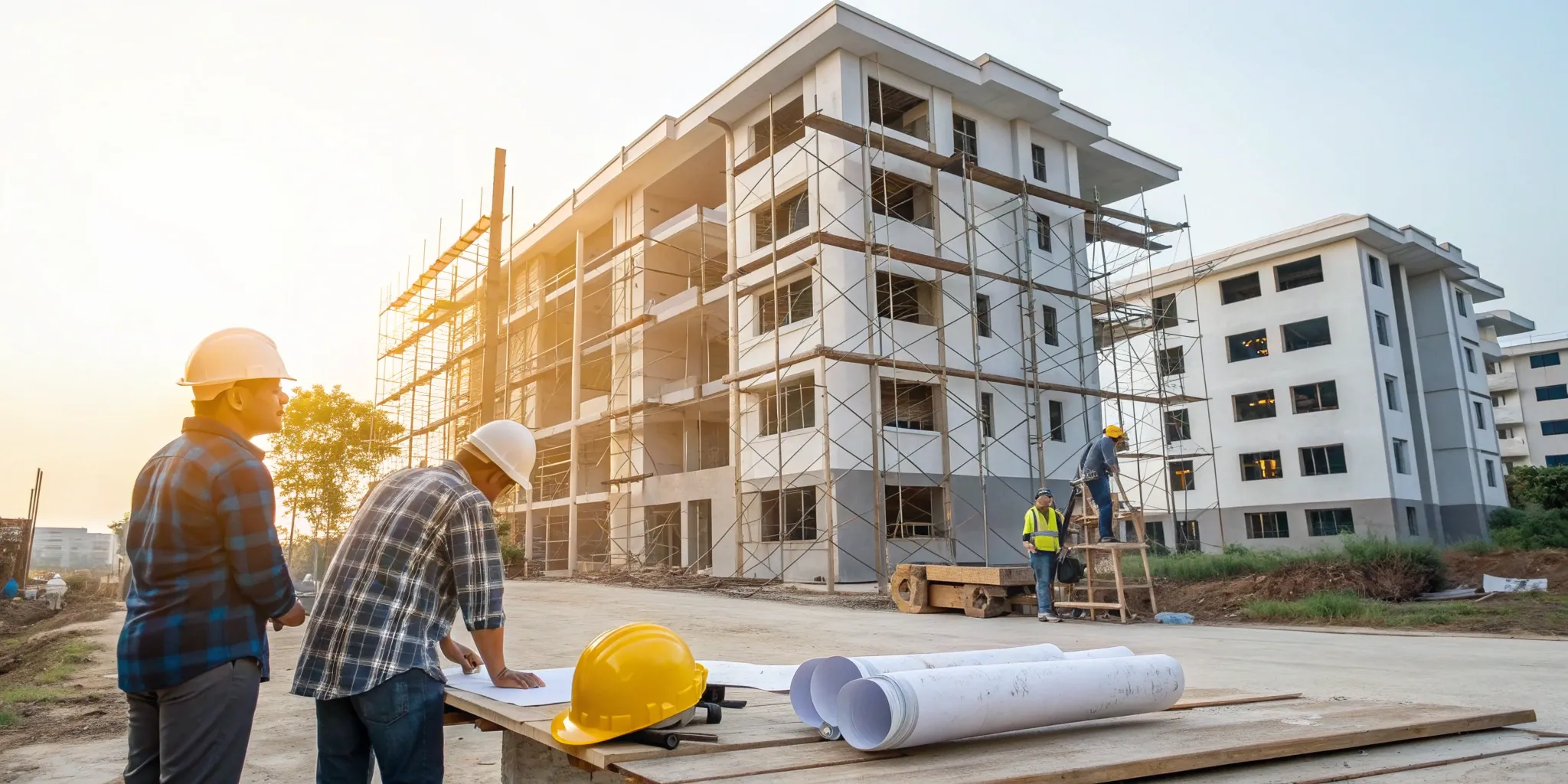
The idea of an apartment complex renovation is exciting. The reality of executing one can be overwhelming. A successful project is built on a foundation of meticulous planning long before the first hammer swings. It requires a clear strategy for managing budgets, timelines, vendors, and most importantly, your current residents. Without a solid plan, even a project with the best intentions can face costly delays and unforeseen challenges. This guide is your blueprint for success. We’ll walk through the critical steps of planning your renovation, from developing a phased timeline and selecting the right general contractor to ensuring quality control and measuring your final ROI.
Key Takeaways
- Invest in What Tenants Value Most: Concentrate your renovation budget on modernizing kitchens, bathrooms, and shared amenities. These high-impact upgrades are what allow you to command higher rents and attract long-term residents.
- Create a Proactive Project Plan: A smooth renovation depends on a detailed, phased timeline and a budget that includes a 10-20% contingency fund for surprises. The right general contractor is your key partner in solving problems and keeping the project on schedule.
- Measure Success with Financial Data: Look beyond the new finishes and track the numbers that matter. A successful project will show a clear increase in your return on investment (ROI), net operating income, and tenant retention rates.
Why Renovate Your Apartment Complex?
Deciding to renovate your apartment complex is more than a facelift; it's a strategic business move. In a competitive rental market, staying current is essential for growth. A well-executed renovation can transform your property from just another option into a sought-after community. It’s one of the most effective ways to increase long-term value, keep your current tenants happy, and attract new ones. By investing in thoughtful upgrades, you’re not just improving the physical space—you’re building a stronger, more profitable asset.
Increase Property Value and ROI
The most direct benefit of a renovation is the financial return. By modernizing units and common areas, you can justify higher rental rates, which improves your net operating income and overall property valuation. Updated kitchens, contemporary bathrooms, and fresh flooring aren't just expenses; they are investments that pay for themselves. These strategic upgrades make your property more appealing to high-quality renters willing to pay for a better living experience. A successful renovation strengthens your asset, making it more attractive to both tenants and future buyers.
Improve Tenant Retention and Satisfaction
Happy tenants are the foundation of a successful rental property. Renovations show residents you care about their comfort and quality of life, which goes a long way in building loyalty. While construction requires careful management, the end result is a community people are proud to call home. Updated amenities and well-maintained spaces reduce tenant turnover, saving you the costs of marketing vacant units. Clear communication during the project is key to keeping residents on your side. A positive living environment is your best tool for tenant retention.
Gain a Competitive Edge in the Rental Market
The rental landscape is always evolving, and an outdated property can quickly fall behind. A renovation helps your complex stand out and compete effectively, even against new construction. Today’s renters expect modern conveniences, from energy-efficient appliances to appealing common areas. By updating your property, you meet these expectations and attract a wider pool of prospective tenants. This proactive approach allows you to reposition your asset, command competitive rents, and maintain high occupancy rates. Investing in your property’s appeal ensures it remains a desirable choice for years to come.
What Are the Most Impactful Renovation Ideas?
When you’re ready to invest in your property, you want to put your money where it counts. The goal is to choose upgrades that not only attract high-quality tenants but also deliver a strong return on investment. Focusing on a few key areas can completely transform your property’s appeal and profitability. These renovations consistently provide the most value, helping you justify higher rents and reduce vacancies. From modernizing interiors to enhancing community spaces, these are the ideas that make a real difference for both your residents and your bottom line.
Upgrade Kitchens and Bathrooms
Kitchens and bathrooms are the heart of a home, and they are often the deciding factor for prospective tenants. An outdated space can make an entire unit feel old, but a fresh, modern design can make it feel luxurious. Start by installing durable, attractive surfaces like granite or quartz countertops. Swapping old fixtures for sleek, new faucets and hardware is a simple but effective touch. To really stand out, consider adding in-demand appliances like in-unit washers, dryers, and dishwashers. These high-impact upgrades not only improve daily life for your tenants but also command higher rental prices.
Install Energy-Efficient Appliances and Systems
Today’s renters are increasingly eco-conscious and budget-savvy. Installing energy-efficient systems is a win-win: it lowers utility bills for your tenants and reduces operational costs for you. Start by replacing old appliances with Energy Star-rated models. Switch to LED lighting throughout the units and common areas for a brighter look that uses significantly less power. For a more substantial investment, consider upgrading insulation and installing energy-efficient windows. These improvements make your property more attractive to environmentally aware renters and can be a major selling point in your marketing efforts.
Integrate Smart Home Technology
Convenience is king, and smart home technology is no longer a futuristic luxury—it’s an expectation. Integrating these features can set your property apart from the competition. Simple additions like smart thermostats allow tenants to control their heating and AC from an app, saving them money and adding a modern touch. Keyless entry systems using fobs or codes offer enhanced security and eliminate the hassle of lost keys. These tech-forward amenities appeal directly to a younger demographic and signal that your property is modern, secure, and well-managed.
Enhance Common Areas and Outdoor Spaces
A great apartment complex offers more than just a place to live; it provides a community. Investing in shared spaces encourages residents to connect and extends their living area beyond their front door. Transform a neglected courtyard into a vibrant social hub with comfortable seating, grilling stations, and good lighting. Adding features like a dog park, a community garden, or a well-equipped fitness center can significantly improve tenant satisfaction and retention. Well-designed multifamily housing projects prioritize these amenities because they build a strong sense of community that makes people want to stay long-term.
Update the Exterior and Curb Appeal
First impressions matter. The exterior of your building is the first thing a potential renter sees, and it sets the tone for their entire tour. A tired, dated facade can turn people away before they even step inside. Give your property an instant facelift by updating the exterior with modern materials like concrete siding or contemporary metal panels. A fresh coat of paint in a current color palette, professional landscaping, and well-lit walkways can dramatically improve curb appeal. This investment shows that you care about the property and creates a welcoming environment that attracts discerning tenants.
How Much Will an Apartment Renovation Cost?
Let's get straight to the point: you need to know the numbers. The total cost of an apartment complex renovation depends heavily on your goals, the property's current condition, and the market you're in. Factors like the scope of work, quality of materials, and local labor rates will all shape your final budget. Thinking about cost isn't just about the expense; it's about making a strategic investment to increase your property's value, attract higher-paying tenants, and secure your long-term ROI.
A full-scale renovation involving structural changes and high-end finishes will obviously cost more than a cosmetic refresh with new paint and fixtures. The key is to align your budget with your objectives. Are you aiming for a quick update to remain competitive, or are you repositioning the property to a more premium segment of the market? Answering this question is the first step. Working with an experienced general contractor can help you define the scope and create a detailed cost analysis, ensuring there are no surprises down the line. This clarity allows you to confidently plan your project and secure the necessary funding. Understanding the financial landscape of a renovation project empowers you to make informed decisions, from selecting materials to scheduling phases of construction. It's about balancing upfront investment with the potential for increased rental income and property appreciation, creating a clear path to profitability.
Break Down Costs Per Square Foot
To get a ballpark idea, it helps to look at costs on a per-unit basis. For a standard 1,000-square-foot apartment, a basic renovation might run between $40,000 and $75,000. A mid-range project with better materials could be in the $75,000 to $100,000 range, while a high-end overhaul can easily exceed $100,000 per unit.
Remember that not all square footage is created equal. Kitchens and bathrooms are consistently the most expensive areas to renovate because they require specialized trades like plumbing and electrical, along with costly items like cabinetry, countertops, and appliances. While these spaces demand a larger portion of the budget, they also deliver the highest impact on tenant satisfaction and perceived value.
Create a Realistic Budget and Contingency Plan
A successful renovation hinges on a detailed and realistic budget. This means going beyond a single lump-sum estimate and creating a line-item breakdown for every aspect of the project. However, even the most thorough plan can't predict every issue. When you open up walls in an older building, you might find anything from outdated wiring to hidden water damage.
That’s why a contingency fund is non-negotiable. You should always set aside an additional 10% to 20% of your total budget to cover these unexpected costs. This isn't a sign of poor planning; it's a mark of experienced project management. A healthy contingency fund ensures that unforeseen problems don't derail your timeline or force you to cut corners on quality elsewhere in the project.
Explore Financing Options for Your Project
A multifamily renovation is a major capital expenditure, and most developers and property owners will need to secure financing. There are several avenues to explore, including conventional commercial loans, refinancing your existing mortgage, or partnering with private equity investors. Lenders are often more willing to finance projects that have a clear plan for increasing the property's long-term value and generating higher rental income.
Presenting a well-defined scope, a realistic budget, and a professional project timeline can significantly strengthen your loan application. Demonstrating that you have a reliable construction partner on board also builds confidence with financial institutions. They want to see that their investment is protected by a team that can deliver the project on time and on budget, ultimately improving the asset's performance.
How Do You Keep Tenants Happy During Construction?
Renovations are inherently disruptive, but they don't have to create a negative experience for your residents. In fact, when managed thoughtfully, a major renovation project can demonstrate your commitment to improving the property and strengthening tenant relationships. The key is to prioritize the resident experience from planning through completion. By focusing on clear communication, strategic phasing, considerate scheduling, and responsive support, you can keep tenants happy and informed while transforming your property for the better.
Communicate Clearly and Consistently
Proactive communication is the single most important factor in a smooth renovation. Before the first hammer swings, develop a clear communication plan that outlines the project timeline, scope of work, and any potential disruptions. Use multiple clear communication channels—like email newsletters, text alerts, and flyers in common areas—to keep everyone informed. Send regular updates, even if it’s just to confirm that everything is still on schedule. This transparency manages expectations and shows tenants you respect their time and home, turning a potentially frustrating process into a collaborative one.
Phase the Renovation to Minimize Disruption
Instead of tackling the entire property at once, work with your general contractor to phase the project. You could renovate one building at a time, focus on a single floor, or complete all exterior work before moving inside. This approach contains the noise, dust, and crew traffic to a specific area, minimizing the number of residents impacted at any given time. Phasing also helps you address common multifamily renovation challenges on a smaller scale, allowing your team to refine its process and apply lessons learned to subsequent stages of the project.
Schedule Work Thoughtfully
Being considerate about when construction happens can make a world of difference. Whenever possible, schedule the loudest and most disruptive work for mid-day hours when fewer residents are likely to be home. Providing a clear schedule—for example, "Noisy work will occur between 10 a.m. and 4 p.m."—helps tenants plan their days. Give at least 24-48 hours' notice for any utility shut-offs or required unit access. Working with a general contractor who understands the nuances of these construction services ensures your project timeline respects your tenants' daily lives.
Address Tenant Concerns Promptly
Even with perfect planning, issues will arise. What matters is how you respond. Designate a single, accessible point of contact for all renovation-related questions and concerns to avoid confusion. Create a simple system for tenants to submit feedback, whether it’s a dedicated email address or a form on your resident portal. Acknowledge every message quickly and provide a timeline for a resolution. When tenants feel heard and see that their concerns are taken seriously, it builds immense trust and goodwill. Make it easy for them to start a conversation and feel valued.
What Renovation Challenges Should You Anticipate?
While renovating your apartment complex is a powerful way to increase its long-term value, the process isn't without its hurdles. Even the most carefully planned projects can face unexpected issues that lead to delays and added costs. The key isn't to avoid challenges altogether—it's to anticipate them. By understanding the common obstacles in multifamily renovations, you can work with your construction partner to create a proactive plan that keeps your project on track and protects your investment. Here are the four main areas where you can expect to face challenges.
Managing Timelines and Budgets
Staying on schedule and within budget are the top priorities for any property owner, yet these are often the first things to go off track. Multifamily renovation challenges can appear at any phase, from discovering hidden structural problems during demolition to facing unexpected material shortages. These issues quickly translate into stress, delays, and inflated costs. The best defense is a strong offense: a meticulously detailed project schedule and a budget that includes a healthy contingency fund (typically 10-15%). An experienced general contractor can help you identify potential risks early and build a realistic plan that accounts for the unexpected, keeping your financial and timeline goals in sight.
Coordinating Contractors and Vendors
A renovation project involves a complex dance of multiple moving parts. You’re not just hiring one team; you’re managing electricians, plumbers, painters, flooring installers, and material suppliers, all of whom need to work in a specific sequence. Managing a multifamily renovation is a high-stakes coordination effort. A delay with one vendor can create a domino effect, pushing back the entire schedule. This is where a skilled general contractor becomes invaluable. They serve as the central hub for all communication and scheduling, ensuring every subcontractor is on-site when needed and that materials arrive on time. This streamlined approach prevents logistical bottlenecks and keeps the project flowing smoothly.
Meeting Permit and Compliance Requirements
The challenges of a renovation aren't limited to the construction site itself; they often begin with navigating local rules and permitting processes. Each city and county has its own set of building codes, zoning regulations, and inspection requirements that can be complex and time-consuming to manage. A simple oversight in paperwork or a misunderstanding of a specific code can lead to significant delays, stop-work orders, and even fines. To avoid these bureaucratic headaches, it’s crucial to partner with a construction firm that has a deep understanding of local regulations. Their expertise in handling permitting and compliance ensures your project is approved correctly from the start, saving you time and money.
Ensuring Safety and Handling Tenant Displacement
When you’re renovating an occupied building, your responsibilities extend beyond the construction itself—you also have to manage the well-being of your current tenants. The first priority is safety. A professional general contractor will implement a strict safety plan to secure work zones, control dust and debris, and minimize noise. Beyond safety, you need a clear strategy for tenant communication and, if necessary, displacement. Phasing the renovation can limit how many residents are disrupted at once. For those who must relocate temporarily, providing clear timelines, consistent updates, and thoughtful assistance is key to maintaining a positive relationship and ensuring a smooth transition for everyone involved.
How Can Technology Attract Modern Renters?
Technology isn't just a perk anymore; it's an expectation. For today's renters, features that offer convenience, security, and connectivity are often deciding factors when choosing a place to live. Integrating the right tech upgrades during a renovation can significantly increase your property's appeal, justify higher rent prices, and attract long-term, high-quality tenants. By focusing on practical and desirable tech, you position your property as a modern, forward-thinking community, giving you a distinct advantage in a competitive market. These upgrades are investments that pay off in both tenant satisfaction and your bottom line. When potential residents tour multiple properties, the one with seamless Wi-Fi, keyless entry, and smart climate control stands out. It signals that the property is well-managed and in tune with contemporary lifestyles. These technological enhancements are no longer futuristic concepts; they are practical tools that solve everyday problems for your tenants, making their lives easier and your property more desirable.
Offer Smart Home and Automation Features
Renters value convenience and control over their living environment. You can meet this demand by installing smart home devices that are both impressive and practical. Think beyond the basics and consider features like smart thermostats that tenants can control from their phones, helping them manage energy costs and stay comfortable. App-controlled lighting and smart plugs are other simple additions that add a layer of modern luxury. These features demonstrate that you’re invested in providing a high-quality living experience, which can be a powerful marketing tool to attract tech-savvy residents.
Upgrade to Keyless Entry and Modern Security
Safety and security are top priorities for any renter. Modernizing your property’s access control with keyless entry systems is a fantastic way to address this. Fobs or keypad entry for both individual units and common areas eliminate the hassle and expense of changing locks between tenants. This upgrade not only enhances security but also adds a level of convenience that residents appreciate. You can further improve security with well-placed, high-definition cameras in common areas and package management systems that protect deliveries, giving tenants peace of mind.
Provide High-Speed Internet Infrastructure
In an era where remote work is common, fast and reliable internet is no longer an amenity—it's a utility. Many renters will pass on a property if the connectivity is poor. During your renovation, ensure your building is wired to support high-speed fiber optic internet. Offering building-wide Wi-Fi as an included amenity can be a major draw, simplifying the move-in process for new tenants and setting your property apart. This is a foundational upgrade that supports all other smart technologies in the building and meets a critical need for nearly every potential renter.
Implement Energy Management Systems
Today’s renters are increasingly eco-conscious and budget-savvy. Upgrading to energy-efficient systems is a win-win, as it appeals to tenants’ desire for sustainability and lower utility bills while also reducing your own operational costs. Simple changes like switching to LED lighting in all units and common areas make a noticeable difference. For a greater impact, install energy-efficient windows, upgrade to ENERGY STAR-rated appliances, and improve insulation. These renovations not only make your property more attractive to renters but also contribute to its long-term value and efficiency.
How to Plan Your Apartment Renovation Project
A successful apartment renovation hinges on a solid plan. Before the first wall comes down or the first appliance is ordered, you need a clear roadmap that outlines every phase of the project. This isn't just about aesthetics; it's about orchestrating a complex operation involving budgets, timelines, tenants, and multiple vendors. A well-thought-out strategy is what separates a smooth, profitable upgrade from a chaotic and costly one.
Planning is your best defense against unexpected setbacks. It allows you to set realistic expectations for your investors, your tenants, and your team. By breaking the project into manageable steps, you can maintain control over the entire process, from initial concept to final walk-through. The key is to focus on four critical areas: creating a phased timeline, choosing the right construction partner, setting quality standards, and maintaining open communication with your property management team. Getting these elements right from the start will pave the way for a renovation that meets its goals and delivers a strong return on investment. If you're ready to get started, our team can help you begin your project with a clear and comprehensive plan.
Develop a Phased Project Timeline
Renovating an entire apartment complex at once is rarely practical. A phased timeline breaks the project into logical, sequential stages, which is essential for managing occupied properties. You might decide to renovate one building at a time, work on vacant units first, or tackle all the kitchens before moving on to the bathrooms. This approach minimizes disruption for residents and allows you to maintain a steady stream of rental income. As one industry expert notes, "When you’re managing multiple units or properties, it’s crucial to find professionals who show up, do quality work, and respect your timeline." A detailed, phased schedule helps ensure your construction partner can do just that, keeping the project on track and predictable.
Select and Vet the Right General Contractor
Your general contractor is your most important partner in a renovation. They execute the vision and are responsible for the day-to-day management of the project. Look for a firm with a proven track record in multifamily renovations; their project portfolio should speak for itself. The best partners do more than just build—they anticipate challenges and proactively find solutions. During the vetting process, ask about their communication style, their safety protocols, and how they handle unforeseen issues. Most renovation challenges are manageable when you have an experienced team on your side that knows how to solve problems before they derail your budget or timeline.
Establish Quality Control Measures
With so many moving parts—contractors, suppliers, and property staff—you need a system to ensure the work meets your standards. Establishing quality control measures from the outset is non-negotiable. This can include defining the exact materials and finishes to be used, conducting regular site inspections, and creating a detailed punch list for each completed unit. These steps guarantee consistency across the property and protect your investment for the long term. By setting clear expectations for workmanship, you ensure the final product aligns with your vision and justifies the capital expenditure.
Coordinate with Your Property Management Team
Your property managers are your eyes and ears on the ground. They have an invaluable understanding of the property’s daily operations and a direct relationship with your tenants. Involving them in the planning process is critical for a smooth execution. They can provide insight into the best times to schedule disruptive work, help coordinate tenant communications, and assist with unit access. Effective coordination with your property management team streamlines the entire renovation, helping to address resident concerns quickly and keep satisfaction high even during construction.
How to Measure Your Renovation's Success
Once the dust settles, your work isn’t quite done. Measuring the outcome of your renovation is the final, crucial step to confirm you’ve met your goals. A successful project goes beyond fresh paint and new appliances; it delivers tangible returns, happier residents, and a stronger asset for years to come. By tracking the right metrics, you can quantify your investment's impact and build a clear case for future projects.
Track Key Performance Metrics
The most direct way to measure success is by looking at the numbers. Renovating a multifamily property is one of the best ways to increase its long-term value and stay competitive. Start by calculating your return on investment (ROI), comparing the project cost to the increase in rental income and property appraisal. Monitor occupancy rates before and after the renovation to see if you’re attracting new tenants more quickly. A clear uptick in your net operating income (NOI) is the ultimate sign that your upgrades are paying off. Reviewing the outcomes of similar successful projects can provide a benchmark for what to expect.
Analyze Tenant Satisfaction and Retention Rates
Happy tenants are the foundation of a profitable property. After the renovation, you should see a positive shift in tenant satisfaction and retention. Send out surveys to gather direct feedback on the new amenities. A rising lease renewal rate is one of the strongest indicators that your investment has improved residents' quality of life. Keep an eye on online reviews for candid insights. A decrease in maintenance calls also signals that your upgrades are creating a more reliable living environment. Ultimately, a contractor who understands the end-user helps build trust and long-term loyalty.
Plan for Long-Term Maintenance
A successful renovation simplifies your future operations. The project should result in a property that is not only more attractive but also easier and more cost-effective to maintain. This starts with having all new warranties, product manuals, and contractor information organized for your property management team. Create a new preventative maintenance schedule for the upgraded systems. Your general contractor must ensure all work is fully compliant with building codes to prevent future violations. A partner with deep construction expertise will manage these details, ensuring your renovation’s value endures.
Related Articles
- Pinhook South Apartment & Acadian Gardens Apartment Renovation
- Carrington Court Apartment Renovation
- Willowbend Apartment Renovation
- Trails of Ashford Apartments Renovation
- Le Chateau Apartment Renovation
Frequently Asked Questions
Which renovations give me the most bang for my buck? Kitchens and bathrooms consistently deliver the strongest return on investment. These are the spaces that tenants scrutinize the most, and modernizing them allows you to justify higher rents immediately. After that, focus on curb appeal. An updated exterior, fresh landscaping, and a welcoming entryway attract higher-quality applicants before they even step inside a unit.
Is it better to renovate an empty building or one with tenants? Both approaches have their advantages, and the right choice depends on your financial situation and timeline. Renovating a vacant property is faster and more straightforward, but it means a temporary halt in rental income. Renovating an occupied building requires careful phasing and excellent communication to keep residents happy, but it allows you to maintain cash flow. A skilled general contractor can manage the complexities of an occupied renovation to minimize disruption.
How long should I expect a full complex renovation to take? The timeline for a renovation varies widely based on the size of your property and the scope of the work. A cosmetic refresh of a small complex might take a few months, while a comprehensive, phased renovation of a larger property could extend over a year. An experienced construction partner will work with you to develop a detailed, realistic schedule that aligns with your goals and minimizes downtime.
My property is older. What are some common 'surprise' costs I should plan for? With older buildings, the biggest surprises are often hidden behind the walls. It’s common to discover outdated electrical systems that aren't up to code, hidden plumbing leaks, or the effects of long-term water damage. This is precisely why a contingency fund of 10-20% is essential. It provides a buffer to address these unforeseen issues without compromising the quality of the planned upgrades.
What's the difference between a cosmetic refresh and a full renovation? A cosmetic refresh focuses on surface-level updates like new paint, modern light fixtures, and updated hardware to give the property a fresh, clean look. A full renovation is much more involved and aims to reposition the asset in the market. This could include gutting kitchens and bathrooms, installing new flooring, replacing windows, and upgrading major systems like HVAC. The right path depends on your budget, your local market, and your long-term investment goals.